








Defensive Operations Initiated
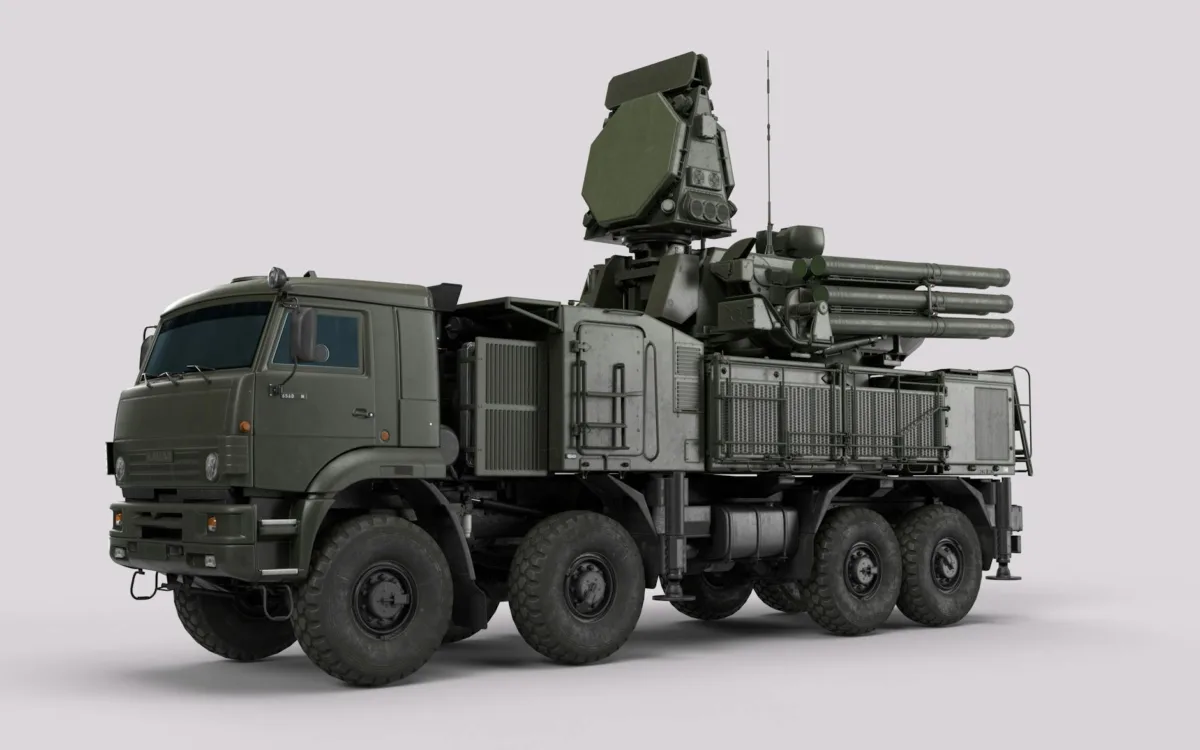
Kuwaiti military authorities confirmed that the nation’s integrated air defense systems were activated earlier today to intercept a series of unidentified drones and missiles detected within the country’s airspace. The security operation, which occurred amidst heightened regional instability, triggered widespread alerts across the Gulf state as defense batteries engaged incoming targets.
Government officials have maintained a state of high readiness, citing the need to protect sovereign borders from potential airborne threats. While the origin of the projectiles remains under investigation, the mobilization marks a significant escalation in the security posture of the Kuwaiti Armed Forces.
Regional Security Landscape
The incident occurs against a backdrop of intensifying geopolitical friction across the Middle East, where regional actors have increasingly utilized unmanned aerial systems for cross-border operations. Kuwait has historically maintained a policy of diplomatic neutrality and regional mediation, yet it remains integrated into the broader Gulf Cooperation Council (GCC) collective security framework.
In recent years, the proliferation of low-cost, long-range drone technology has challenged traditional missile defense paradigms. Analysts note that the ability of non-state actors and regional powers to deploy swarms of drones has forced nations like Kuwait to prioritize the modernization of their radar and interceptor capabilities.
Technological Challenges in Air Defense
Military experts emphasize that intercepting small, low-flying drones presents a unique challenge for conventional air defense systems designed for larger aircraft or ballistic missiles. The radar cross-section of modern drones is often minimal, allowing them to evade detection until they are in close proximity to their targets.
According to data from the International Institute for Strategic Studies (IISS), regional defense budgets in the Gulf have seen a steady increase, with a specific focus on counter-UAS (Unmanned Aerial Systems) technology. This shift reflects a strategic pivot toward point-defense systems that can neutralize smaller, high-frequency threats.
Broader Implications for Gulf Stability
The activation of air defenses in Kuwait serves as a stark reminder of the fragile security environment in the Persian Gulf. For the energy sector, which relies on critical infrastructure vulnerable to aerial interdiction, the event underscores the necessity of hardened defensive measures.
Investors and regional stakeholders are now closely monitoring the situation for signs of further escalation or diplomatic de-escalation. The immediate impact on international maritime and air traffic remains limited, but the incident has prompted heightened scrutiny of regional flight paths and security protocols.
Moving forward, analysts will watch for potential statements from the Kuwaiti Ministry of Interior regarding the specific nature of the intercepted hardware. Future developments will likely focus on whether this incident prompts an acceleration of joint regional air defense initiatives or changes to the deployment of Patriot missile batteries currently stationed in the region.