









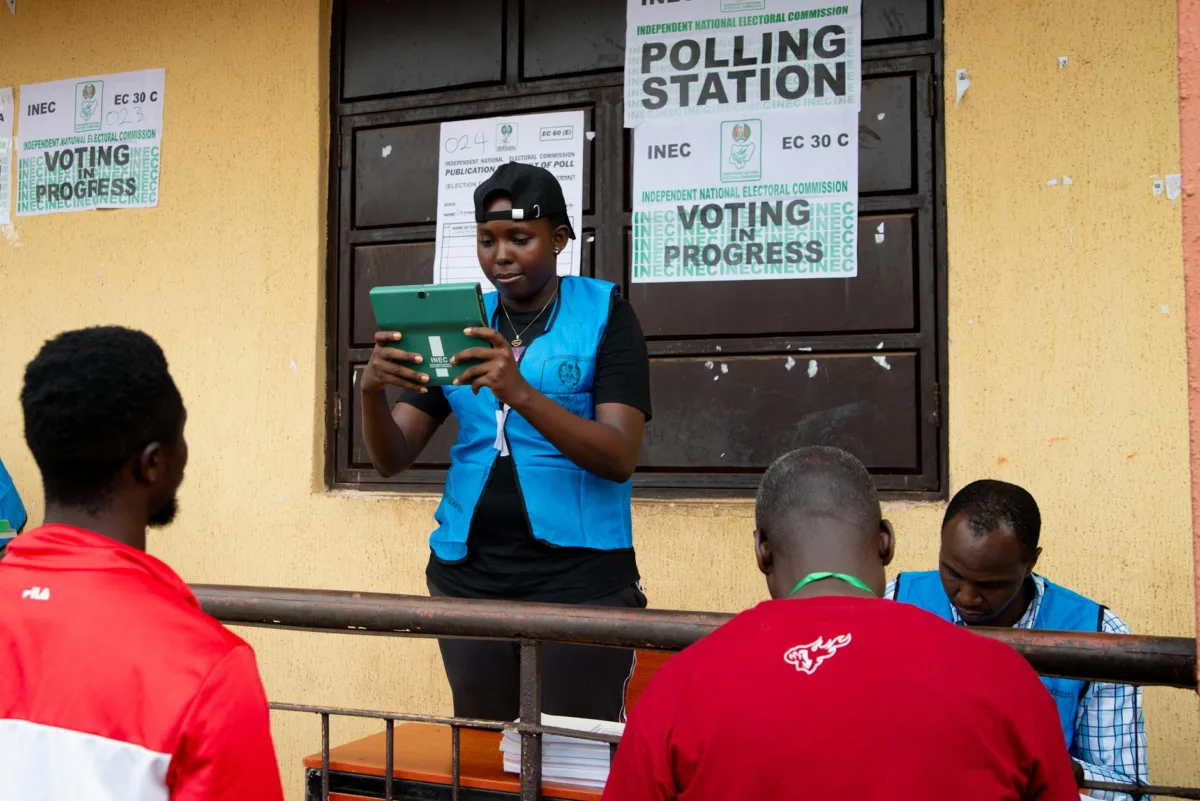
Millions of Ethiopians headed to polling stations across the country on Monday to cast ballots in a general election that serves as a critical test for Prime Minister Abiy Ahmed and his Prosperity Party. The election, which was delayed twice due to logistical challenges and the ongoing conflict in the Tigray region, aims to secure a democratic mandate for Ahmed’s administration amid significant domestic and international scrutiny.
A Nation in Transition
This election marks the first major test of Abiy Ahmed’s leadership since he assumed office in 2018. Initially celebrated for his sweeping reforms, including the release of political prisoners and the signing of a historic peace deal with Eritrea, Ahmed’s administration has faced mounting pressure over the last two years.
The current political climate is defined by intense ethnic tensions and a devastating civil war in the northern Tigray region. The government has excluded Tigray from the current voting process, citing the instability and humanitarian crisis, which critics argue undermines the inclusivity of the entire democratic exercise.
The Political Landscape
The Prosperity Party, formed by the merger of several regional parties, is widely projected by analysts to secure a comfortable majority. By consolidating diverse regional interests under a single national banner, Abiy Ahmed has sought to move Ethiopia away from the ethnic-federalist model that dominated the country’s politics for nearly three decades.
However, the opposition is fragmented and faces significant hurdles. Several prominent opposition parties have opted to boycott the polls, alleging that the government has engaged in intimidation and that the electoral process lacks a level playing field. These boycotts have led to concerns from international observers regarding the legitimacy of the outcome.
Economic and Social Stakes
Data from the World Bank indicates that Ethiopia remains one of the fastest-growing economies in Africa, yet the nation struggles with high inflation and unemployment. Voters are looking to the new government to implement structural reforms that can stabilize the currency and address the rising cost of living.
Beyond economic concerns, the country’s stability remains the primary focus for the international community. Foreign diplomats are closely watching how the government manages post-election reconciliation, particularly in regions where ethnic violence has displaced hundreds of thousands of people.
Expert Perspectives
Political analysts suggest that while the Prosperity Party holds a logistical advantage, the true measure of this election will be the turnout and the government’s ability to maintain order. International observers have noted that without the participation of key opposition figures and the inclusion of the Tigray region, the election may struggle to achieve universal recognition.
“The election represents a pivotal moment for Ethiopia’s institutional development,” noted one regional analyst. “However, the government must address the underlying grievances of the electorate to ensure long-term stability beyond the ballot box.”
Looking Ahead
As the counting process begins, observers are looking for signs of how the government intends to handle the inevitable challenges of post-election governance. The immediate focus will be on the verification process of the results and the government’s willingness to engage in a national dialogue with marginalized groups.
The coming months will demonstrate whether the administration can bridge the deep-seated divisions that have surfaced during the campaign. The international community will be watching to see if the government shifts toward inclusive governance or continues to prioritize centralized control as it attempts to navigate the country’s complex domestic challenges.