








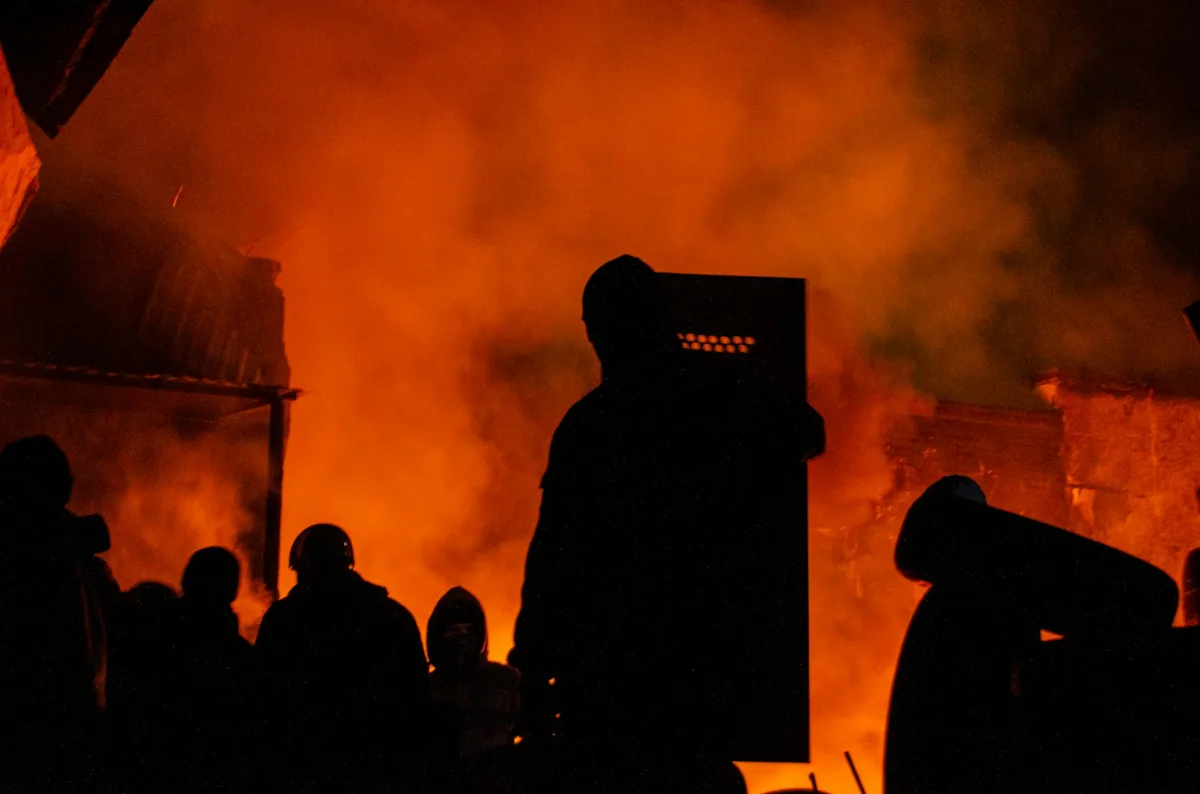
Following a series of mass celebrations across France that descended into widespread rioting, President Emmanuel Macron has issued a stern condemnation of the recurring violence, signaling a potential shift in government policy regarding public gatherings. The unrest, which occurred in major cities including Paris, Lyon, and Marseille throughout the past week, saw thousands of soccer fans clashing with security forces, resulting in significant property damage and dozens of arrests.
The Recurring Pattern of Celebration and Conflict
For years, France has struggled to balance the national fervor surrounding major soccer victories with the maintenance of public safety. While these events are ostensibly celebrations of athletic achievement, they have increasingly become focal points for opportunistic vandalism and organized confrontations with law enforcement.
Authorities reported that in several urban centers, what began as peaceful street parties quickly pivoted to arson and looting once night fell. The Ministry of the Interior confirmed that emergency services were targeted in some neighborhoods, complicating the efforts of police to restore order amidst the dense crowds.
Political Pressure and the Call for Reform
President Macron’s administration is now under intense pressure to reconcile the nation’s passion for sports with the need for civic stability. During a public address, the President stated that the country has reached its limit regarding the tolerance of such disorder, hinting at stricter regulations for future victory parades.
Political analysts suggest that the backlash is as much about social cohesion as it is about soccer. Opposition leaders have criticized the government’s security strategy, arguing that the recurring nature of these riots points to a deeper failure in policing and integration within suburban areas.
Data and Security Implications
According to data released by the National Police, the number of arrests related to soccer-themed disturbances has risen by 15% over the last three major tournament cycles. Experts in crowd control note that the shift from spontaneous celebration to coordinated disruption suggests that extremist factions are increasingly co-opting these events to maximize visibility and chaos.
Sociologists observe that these riots often mirror underlying tensions in French society, where sports serve as a pressure valve for broader grievances. When the celebratory atmosphere is breached by violence, it creates a feedback loop that forces the state to respond with heavier security, which in turn can escalate localized friction.
Future Outlook and Industry Impact
The immediate implication for the sports industry is the potential for drastic changes in how victory events are managed. Stadium operators and municipal authorities are discussing the implementation of strictly controlled, ticketed celebration zones to replace the traditional open-street gatherings that have characterized French soccer culture.
Observers are now watching the government’s next move regarding upcoming international tournaments, including the legislative proposals promised by the Interior Ministry. The balance between allowing citizens to express national pride and ensuring the safety of urban infrastructure will likely remain a central point of contention in the French political landscape for the foreseeable future.