









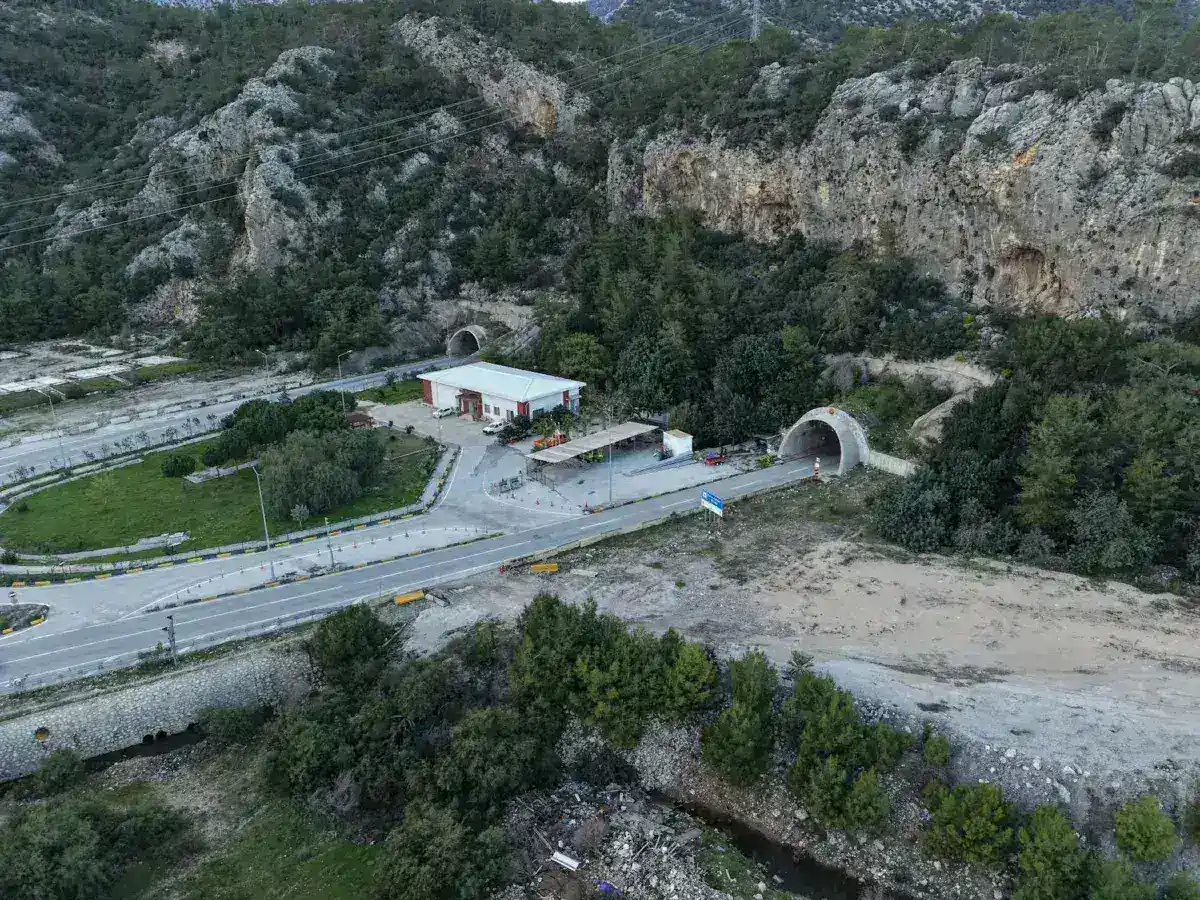
Iran has successfully restored operations at 50 of its 69 underground missile tunnels that were previously targeted by coordinated U.S. and Israeli airstrikes, according to recent intelligence reports and satellite imagery analysis. The reactivation of these fortified sites, which occurred in the wake of recent regional volatility, underscores Tehran’s persistent focus on maintaining its ballistic missile capabilities despite significant military pressure from Western and allied forces.
Contextualizing the Strategic Infrastructure
The targeted tunnels are part of a sprawling, sophisticated network of subterranean facilities that Iran has developed over decades to protect its strategic arsenal from conventional aerial bombardment. These sites are designed to house mobile missile launchers, fuel supplies, and command-and-control infrastructure deep beneath mountainous terrain, making them notoriously difficult to neutralize permanently.
Military analysts suggest that these facilities act as a critical deterrent, allowing Iran to protect its long-range missile inventory from preemptive strikes. By burying their capabilities, the Islamic Revolutionary Guard Corps (IRGC) aims to ensure that even if surface-level assets are compromised, their capacity for retaliation remains intact.
Operational Resilience and Strategic Depth
Satellite imagery confirms that debris clearing and structural repairs have been completed at a majority of the impacted sites. Experts note that the speed at which Iran has returned these tunnels to service highlights a robust logistical capability and a prioritized effort to sustain operational readiness.
According to data provided by defense research groups, the tunnels are equipped with advanced ventilation, power, and hardened communications systems. The resilience of these structures demonstrates the limitations of traditional airstrikes, which may damage entrances or surface facilities but often fail to destroy the core subterranean infrastructure buried hundreds of feet below ground.
Industry and Global Security Implications
The restoration of these facilities signals that the regional arms race is likely to intensify, forcing neighboring nations and international stakeholders to recalibrate their defense strategies. For the defense industry, this development highlights a shift toward the development of specialized bunker-busting munitions capable of penetrating deeper into reinforced rock and concrete.
The implications for global security are significant, as the existence of these operational tunnels complicates any potential diplomatic or military efforts to limit Iran’s missile proliferation. Regional observers suggest that the focus will now shift toward monitoring these sites for signs of increased activity or missile deployment, which could serve as a precursor to broader regional friction.
Moving forward, analysts will be watching for potential upgrades to the tunnel ventilation and hardening systems, which would indicate a long-term commitment to maintaining an underground-based launch doctrine. International monitoring agencies are expected to increase satellite surveillance of these specific regions, as the operational status of these tunnels remains a primary indicator of Tehran’s strategic posture in the Middle East.