








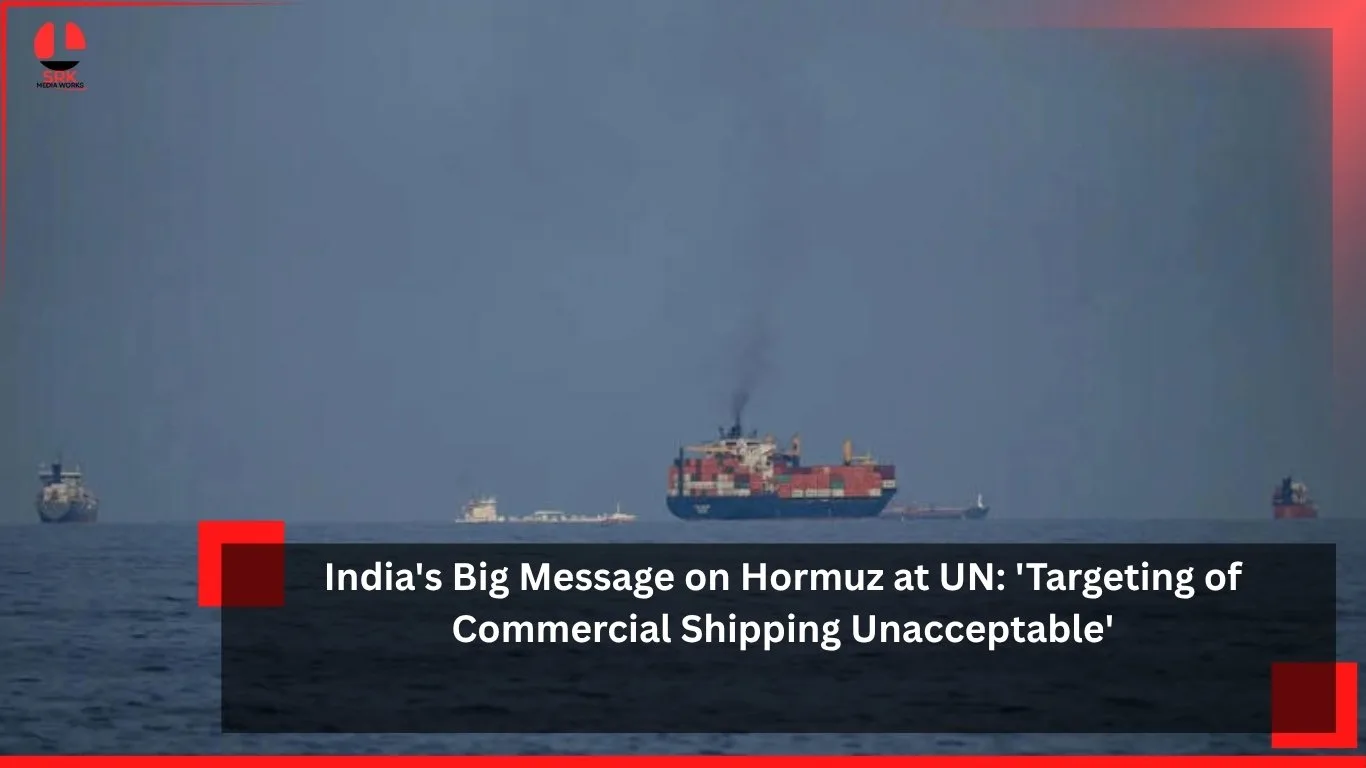
India delivered a strong statement at the United Nations, emphasizing that the targeting of commercial shipping in the Strait of Hormuz is unacceptable. The message underscores India’s commitment to safeguarding global trade routes and ensuring maritime security in one of the world’s most critical waterways.
India’s Position at the UN
India’s representative highlighted the importance of freedom of navigation and the need to protect commercial shipping from hostile actions. The statement stressed that disruptions in the Strait of Hormuz not only affect regional stability but also have global economic consequences.
Key Points of India’s Statement:
- Targeting of commercial shipping is unacceptable.
- Freedom of navigation must be upheld under international law.
- Maritime security is essential for global trade stability.
- Collective international action is needed to prevent escalation.
Importance of the Strait of Hormuz
The Strait of Hormuz is one of the most strategically significant maritime chokepoints in the world. Nearly 20% of global oil trade passes through this narrow waterway, making it vital for energy security and international commerce.
Strategic Importance:
- Connects the Persian Gulf with global markets.
- Critical for oil and gas exports from Gulf nations.
- Vulnerable to geopolitical tensions and conflicts.
- Disruptions can lead to global energy price volatility.
Comparative Maritime Security Concerns
India’s statement aligns with concerns expressed by other nations regarding maritime security in the Strait of Hormuz.
| Country | Position on Hormuz Security | Key Concerns |
|---|---|---|
| India | Strong opposition to targeting | Global trade disruption, energy security |
| USA | Military presence in region | Protecting oil shipments, deterring threats |
| EU Nations | Diplomatic engagement | Ensuring stability, avoiding escalation |
| Gulf States | Directly impacted | Economic dependence on safe passage |
This comparative view shows India’s position as part of a broader international consensus on the importance of maritime security.
Economic Implications
Disruptions in the Strait of Hormuz have direct consequences for India’s economy. As a major importer of oil and gas, India relies heavily on safe passage through this waterway. Any instability can lead to increased energy costs, affecting industries and households alike.
Economic Impact on India:
- Rising oil prices due to supply disruptions.
- Increased shipping insurance costs.
- Potential slowdown in industrial production.
- Inflationary pressures on domestic markets.
India’s Maritime Strategy
India has been strengthening its maritime capabilities to safeguard trade routes and ensure regional stability. The Indian Navy plays a crucial role in patrolling sea lanes and participating in international maritime security initiatives.
Strategic Measures:
- Deployment of naval assets in the Indian Ocean.
- Participation in multinational maritime exercises.
- Collaboration with global partners on maritime security.
- Investment in modern naval technology and surveillance systems.
Global Trade Flow Analysis
The Strait of Hormuz remains a critical artery for global trade.
| Commodity | Percentage of Global Trade via Hormuz | Impact of Disruption |
|---|---|---|
| Crude Oil | 20% | Price volatility, supply shortages |
| LNG | 25% | Energy insecurity, rising costs |
| Petrochemicals | 15% | Industrial slowdown |
| General Cargo | 10% | Trade delays, higher shipping costs |
This analysis highlights the vulnerability of global trade to disruptions in Hormuz.
International Response
India’s strong statement at the UN is expected to resonate with other nations that share concerns about maritime security. Calls for collective action may lead to increased cooperation among countries to safeguard shipping routes.
Possible International Actions:
- Strengthening naval patrols in Hormuz.
- Diplomatic initiatives to reduce tensions.
- Enhanced intelligence sharing among nations.
- Development of alternative trade routes.
Future Outlook
India’s message at the UN reflects its growing role as a responsible global actor in safeguarding international trade. The focus on maritime security is expected to remain a priority, with India continuing to advocate for collective action against threats to commercial shipping.
Disclaimer
This article is a detailed news analysis prepared for informational purposes only. It does not represent official government policy or UN resolutions. Readers are encouraged to verify details from credible sources before drawing conclusions. The content aims to highlight India’s strong message at the UN regarding maritime security in the Strait of Hormuz.