






The Rise of Progressive Populism
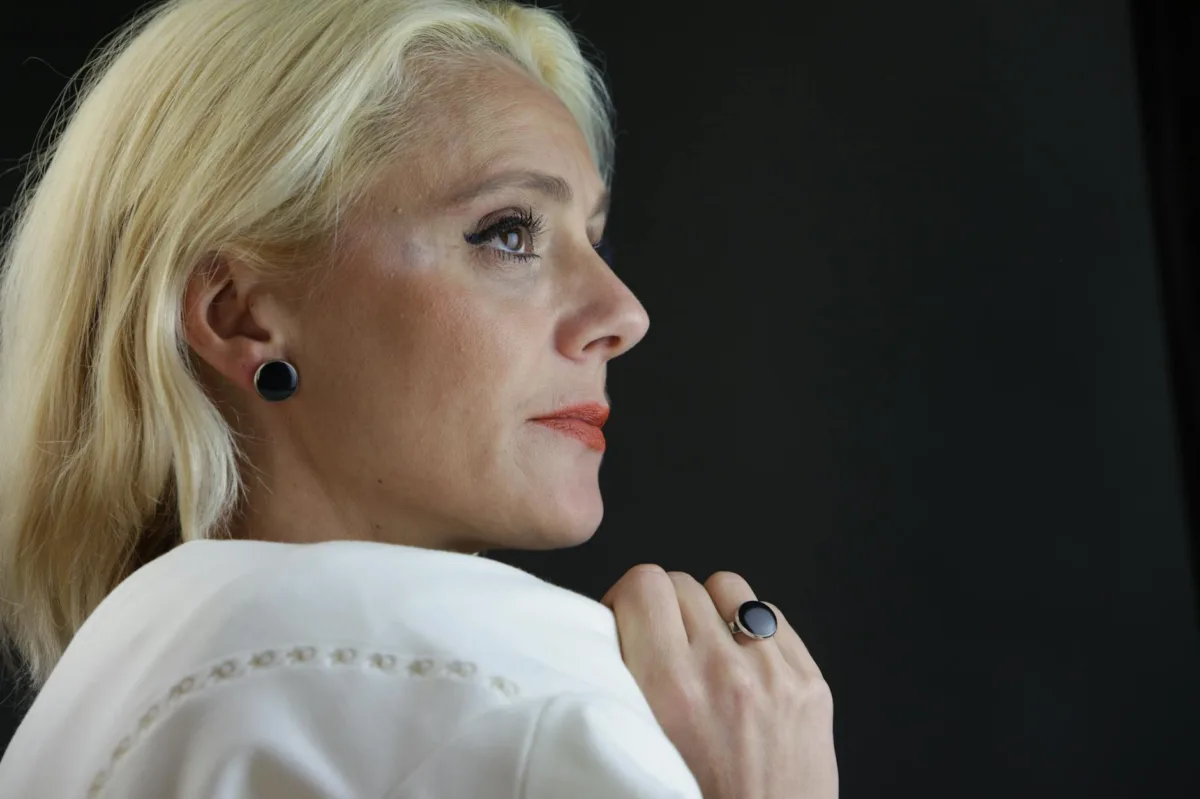
Francesca Hong, a 37-year-old restaurant owner and democratic socialist, has emerged as the surprising frontrunner in the Democratic primary for Wisconsin governor. As the state’s first Asian-American assembly member, Hong is spearheading a wave of left-wing, working-class candidates competing in critical battleground states ahead of this year’s midterm elections.
Context and Momentum
Hong’s campaign is part of a broader trend of progressive candidates gaining traction across the United States. Following the electoral success of figures like New York City Mayor Zohran Mamdani, candidates such as Abdul El-Sayed in Michigan and Zach Wahls in Iowa are challenging establishment-backed opponents. These campaigns are capitalizing on widespread economic anxiety and a shifting focus toward populist policy platforms.
A Platform of Change
Hong’s platform includes ambitious proposals such as a $20 minimum wage, universal free childcare, and a moratorium on data center construction. Her political identity is marked by outspoken stances on international policy and local governance, including past calls to abolish the police and a controversial proposal to use the National Guard to intercept federal ICE agents. She argues that the Democratic Party establishment’s reliance on the status quo is a liability, suggesting that voters are eager for bolder alternatives.
Expert Perspectives and Party Friction
The rise of these candidates has sparked concern within the Democratic establishment. The center-left think tank Third Way recently warned that candidates positioned far outside the political mainstream could jeopardize the party’s chances in competitive red and purple districts. Critics fear these platforms may alienate moderate voters and leave the party vulnerable to Republican messaging similar to that used against Vice President Kamala Harris in the previous election cycle.
Grassroots Infrastructure and Strategy
Despite the skepticism from party leadership, Hong’s campaign has demonstrated significant organizational strength. With 3,000 active volunteers and over 250 organized events, her team is building an infrastructure that has caught the attention of local party officials. While she trails behind figures like former lieutenant governor Mandela Barnes in total fundraising, Hong is utilizing non-traditional digital outreach, including partnerships with prominent social media influencers and live-streaming platforms, to engage younger and politically disengaged demographics.
Implications for the Midterms
The primary election on August 11 will serve as a crucial test for the viability of democratic socialism in a state that has historically been a bellwether for national trends. Should Hong secure the nomination, it will force a national conversation about whether progressive populism can bridge the divide in swing states or if it will create a fracture within the Democratic base. Observers will be watching to see if her grassroots mobilization can overcome the funding advantages of her establishment rivals and whether her specific brand of activism resonates with the broader Wisconsin electorate in a general election matchup against the GOP nominee.