




State Senator Jabari Brisport is facing scrutiny in his reelection bid as voters revisit a 2017 campaign pledge to slash his government salary to the median income of Brooklyn. While the democratic socialist once promised to forgo a significant portion of his $148,000 legislative pay, payroll records confirm that Brisport has collected his full salary and voted to increase legislative pay floors since taking office in 2021.
The controversy stems from Brisport’s 2017 bid for City Council, where he framed salary reduction as a core socialist tenet to address income inequality. Since his successful 2020 election to the state Senate, however, he has drawn his full salary, which rose to $142,000 following a 2023 legislative pay hike. Records indicate he has earned over $607,000 in salary and $100,000 in travel stipends since 2021. Brisport stated that his focus shifted upon launching his state Senate campaign in 2019, choosing to prioritize broader systemic changes over personal salary adjustments.
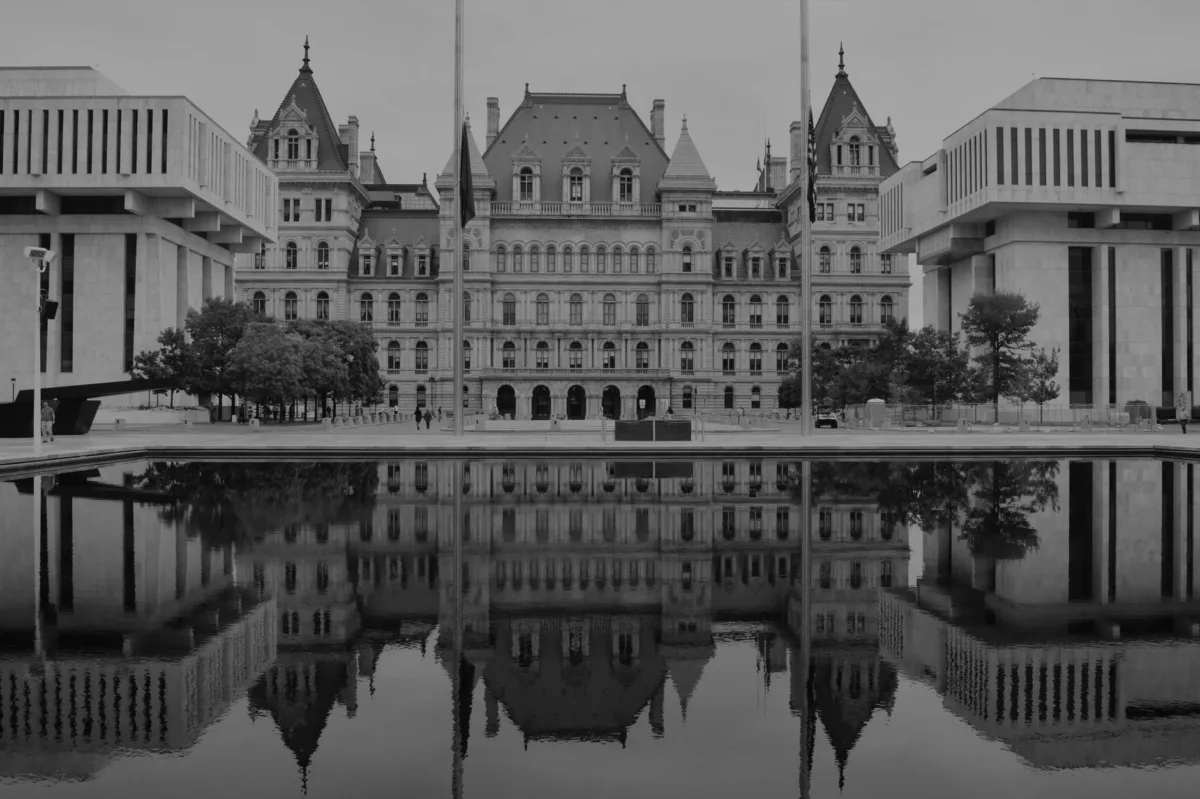
The salary debate arrives as Brisport prepares for a June 23 primary against moderate challenger Marlon Rice. This internal party tension is mirrored across the state, where legislative frustration regarding the executive branch continues to mount. New York‘s latest budget was the tenth-tardiest in state history, prompting lawmakers to explore constitutional amendments aimed at curbing the governor’s concentrated budgetary authority.
Assemblymember Anna Kelles and other proponents of budget reform argue that the current process diminishes the legislature’s functional role. While Assembly Speaker Carl Heastie has expressed personal support for reform, he noted the difficulty of passing a constitutional amendment that would inevitably trigger a political clash with the governor. Potential statutory changes, such as withholding executive pay during late budget cycles, remain under discussion but face skepticism regarding their effectiveness.
Meanwhile, the political landscape is shifting as major organizations recalibrate their alliances. The Working Families Party recently withheld an endorsement for Rep. Adriano Espaillat over his stance on the Block the Bombs Act, despite his significant contributions to immigration advocacy. This move coincides with rising support for primary challenger Darializa Avila Chevalier, whose platform aligns more closely with the party’s progressive wing regarding international policy.
As New York’s primary season intensifies, voters are observing a complex interplay between past campaign promises and the realities of governance. The coming weeks will likely see an increase in independent expenditure spending as groups like New York Forward prepare to influence key legislative races. Whether these political maneuvers result in shifts in legislative power or remain symbolic gestures will depend on the upcoming turnout and the effectiveness of grassroots campaigns challenging long-standing incumbents.