









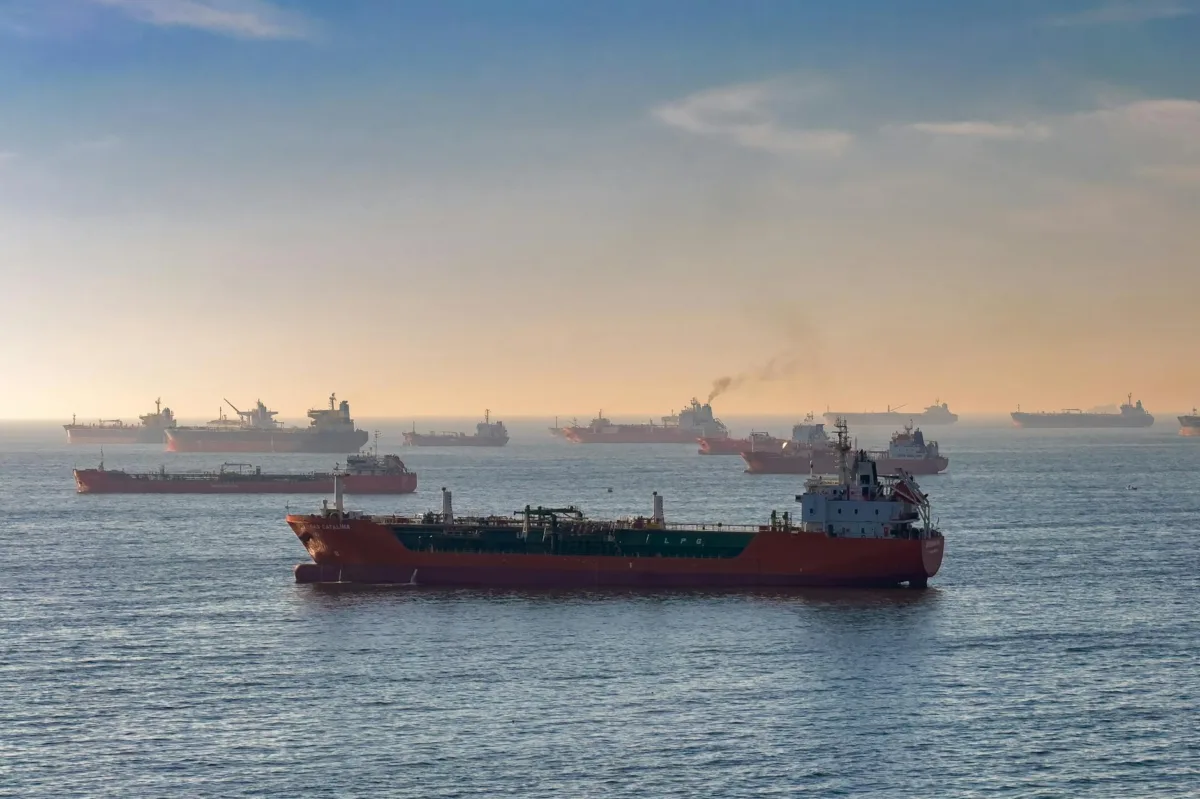
Rising Tensions Disrupt Global Energy Supply
Global crude oil prices climbed over 3% on Monday following a series of retaliatory military strikes between the United States and Iranian-backed forces in the Middle East. The escalation, occurring throughout the weekend, has sparked immediate concerns regarding the stability of energy transit routes, particularly the Strait of Hormuz, a critical chokepoint for global oil shipments.
The Context of Regional Instability
The latest volatility follows a breakdown in diplomatic communications between Washington and Tehran, compounded by an intensification of military activity in Lebanon. Energy markets have remained hypersensitive to geopolitical developments in the Middle East, as the region accounts for approximately one-third of the world’s seaborne oil trade.
Historically, any threat to the Strait of Hormuz—through which roughly 20 million barrels of oil pass daily—triggers an immediate risk premium in futures contracts. Market analysts note that current inventories, already strained by OPEC+ production cuts, leave little room for supply shocks.
Market Reaction and Economic Impact
Crude oil futures jumped to Rs 8,536 per barrel in early trading, reflecting investor anxiety over the potential for a wider regional conflict. The market surge is driven by the fear that Iran may formalize threats to block maritime traffic or target regional energy infrastructure, effectively choking off a major portion of global supply.
Energy economists highlight that the current price rally is not merely speculative. With Iran halting U.S. diplomatic talks, the possibility of renewed sanctions or direct military engagement has removed a layer of certainty that traders previously relied upon to stabilize prices.
Expert Analysis on Energy Security
“The market is pricing in a significant geopolitical risk premium because the margin for error in global supply chains is razor-thin,” says energy strategist Marcus Thorne. “When you combine regional military strikes with the existing production limitations of major exporters, the volatility becomes inevitable.”
Data from recent trading sessions shows that institutional investors are rapidly shifting capital toward safe-haven assets and energy commodities. This flight to safety underscores the deep-seated concern that diplomatic channels are currently insufficient to de-escalate the military friction.
Future Implications for Consumers and Industry
For the broader industry, this escalation signals a period of sustained price volatility that could hinder global economic recovery efforts. Businesses reliant on fuel-intensive logistics may face rising operational costs, which could eventually be passed down to end consumers through higher retail fuel prices.
Looking ahead, market participants are closely monitoring developments regarding the Strait of Hormuz and any further diplomatic posturing from the U.S. State Department. If military strikes continue to intensify, analysts predict further upward pressure on crude futures, potentially testing resistance levels not seen in the current fiscal year.