









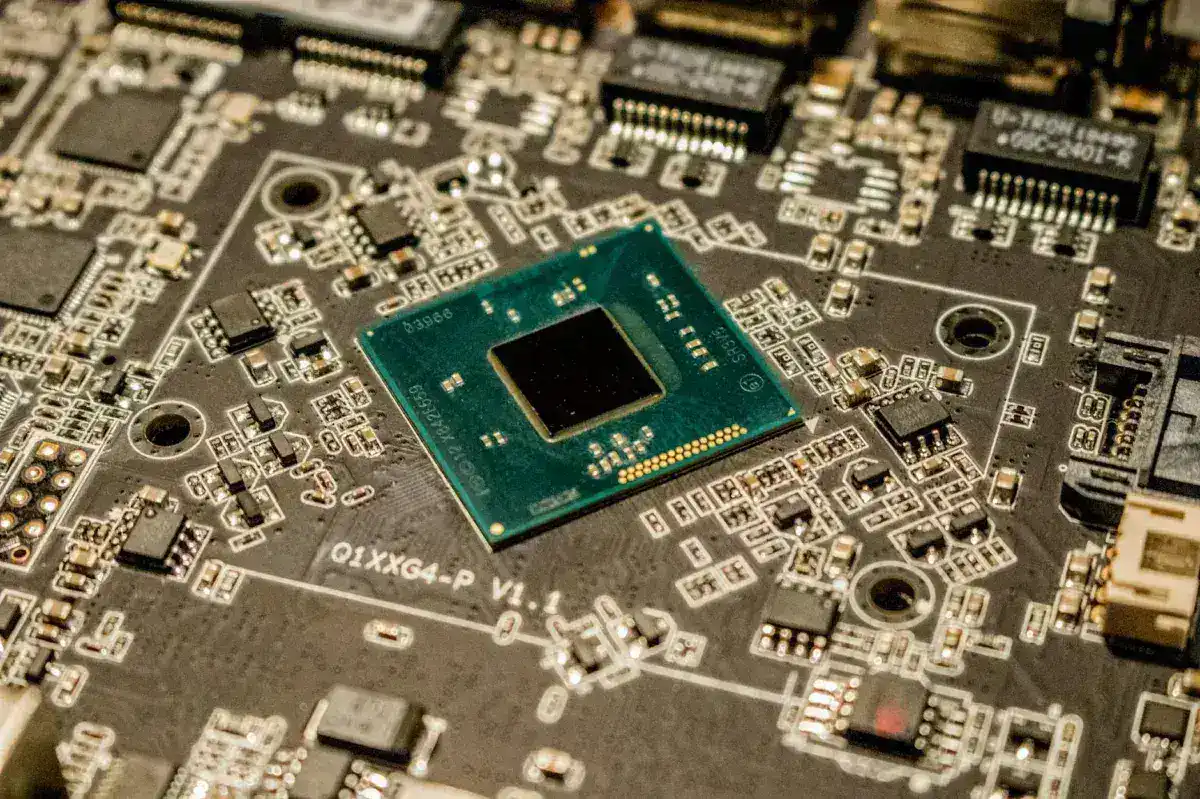
The Struggle for Semiconductor Sovereignty
China is currently intensifying its push for domestic semiconductor independence, yet the nation faces a widening technological chasm compared to global leaders. As of 2024, despite billions in government subsidies and massive investment by firms like Huawei, the country remains constrained by strict international export controls and a lack of access to critical lithography equipment. Industry analysts suggest that even with aggressive innovation strategies, Chinese manufacturers will struggle to close the performance gap with Western and Taiwanese competitors for the foreseeable future.
For years, China has operated under the shadow of U.S.-led sanctions that restrict the sale of advanced chip-making machinery, specifically Extreme Ultraviolet (EUV) lithography systems. These machines, dominated by the Dutch firm ASML, are essential for creating the sub-7nm chips that power modern artificial intelligence and high-end smartphones. Without this hardware, China’s domestic foundries are forced to rely on older, less efficient processes that limit their competitive edge on the global stage.
The Huawei Innovation Paradox
Huawei has become the face of China’s technological resilience, successfully launching high-end handsets that utilize domestically produced processors. However, experts note that these achievements often come at a significantly higher production cost and lower yield rates compared to chips produced by industry giants like TSMC. While Huawei continues to push the boundaries of design, the manufacturing process remains hampered by the inability to scale production effectively.
New data projections from leading research firms indicate that even if Huawei maintains its current rate of innovation, it will likely trail its primary global rivals by six to eight years by 2031. This timeline assumes that current restrictive export policies remain in place, preventing the transfer of cutting-edge manufacturing knowledge and equipment to Chinese firms. The gap is not merely a matter of design, but of the entire supply chain ecosystem that supports the fabrication of advanced semiconductors.
Global Supply Chain Repercussions
The bifurcation of the semiconductor industry is forcing global technology companies to rethink their supply chain logistics. Many firms are now adopting a ‘China-plus-one’ strategy, diversifying their manufacturing bases to countries like Vietnam, India, or Mexico to avoid the risks associated with geopolitical friction. This shift is reshaping how global trade operates, moving away from the hyper-efficient, centralized model of the last two decades toward a more fragmented, security-focused paradigm.
Industry experts emphasize that the cost of this fragmentation is high. As China builds its own parallel ecosystem, the lack of standardization and cross-pollination could lead to higher costs for consumers and decreased interoperability between different technological stacks. This trend suggests that the ‘tech cold war’ is not just about national security, but about the fundamental architecture of the future global digital economy.
Looking Ahead
Market observers are now closely monitoring the next phase of Chinese investment in legacy chip fabrication. While China may never reach parity in the most advanced nodes in the near term, it is positioning itself to dominate the market for mature process chips used in automobiles, appliances, and industrial IoT devices. Investors should watch for further developments in domestic equipment manufacturing, as China’s ability to innovate its own lithography tools will be the primary indicator of its long-term success or continued isolation in the global semiconductor hierarchy.