









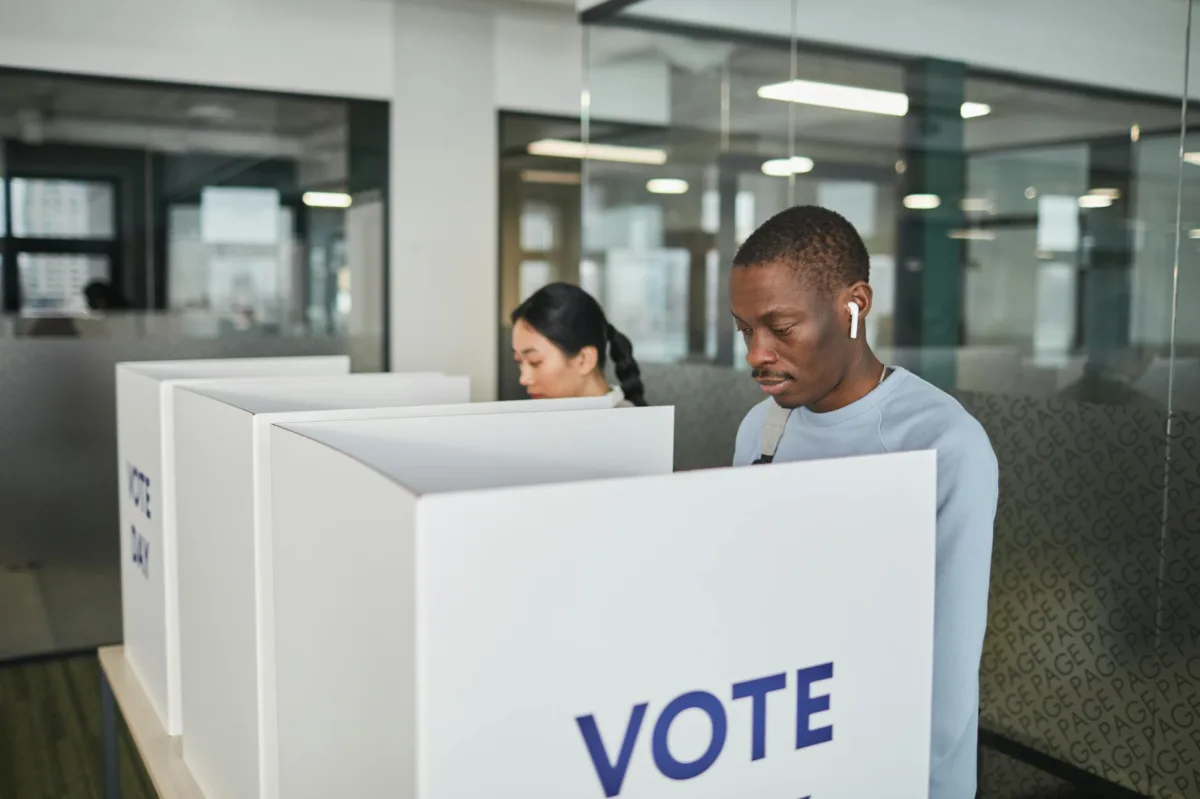
California voters headed to the polls across the state this week to participate in a crowded primary election that serves as the opening chapter in the contest to succeed Democratic Governor Gavin Newsom. The primary, which features a sprawling field of candidates from both major parties, will determine which two contenders advance to the general election under the state’s nonpartisan “top-two” primary system.
The Mechanics of the California Primary
California utilizes a unique electoral process where all candidates, regardless of party affiliation, appear on the same ballot. The two candidates who receive the most votes, regardless of their political party, move on to the November general election.
This structure often creates intense competition within the same party, forcing moderate and progressive candidates to differentiate themselves to capture the necessary voter base. Analysts note that this system frequently results in two Democrats or two Republicans facing off in the final round, depending on the state’s partisan concentration.
A Shifting Political Landscape
The race to replace Governor Newsom comes at a pivotal time for the Golden State. California faces significant headwinds, including a persistent housing affordability crisis, high energy costs, and ongoing debates regarding the state’s long-term fiscal stability.
Data from the Public Policy Institute of California (PPIC) indicates that while the state remains deep blue, voter sentiment is increasingly focused on quality-of-life issues. Concerns over homelessness and public safety have consistently ranked as top priorities for residents in recent polling.
Candidate Perspectives and Strategy
Candidates in the current field are employing diverse strategies to capture voter attention. Some are focusing on traditional party platforms, emphasizing social equity and climate policy, while others are campaigning on fiscal austerity and regulatory reform to appeal to independent voters.
Political consultants highlight that the path to victory in California requires building a broad coalition that spans the state’s diverse geographic regions. From the urban centers of Los Angeles and the Bay Area to the agricultural hubs of the Central Valley, candidates must address vastly different economic realities.
Industry and Voter Implications
For the business community and labor organizations, this election represents a potential inflection point for state policy. The next governor will inherit a state budget that has recently transitioned from record surpluses to projected deficits, necessitating difficult decisions regarding social services and infrastructure spending.
Voters are watching the results closely to see if the state’s political trajectory will continue to favor progressive mandates or shift toward a more centrist, pragmatic approach. The outcome of this primary will signal whether the electorate is leaning toward continuity or a desire for a fundamental change in governance.
Looking Ahead
As the primary results are finalized, the focus will shift to the general election campaign, where the top two survivors will face increased scrutiny and national attention. Observers are keeping a close watch on voter turnout numbers, which often dictate the viability of insurgent candidates. With the general election months away, the ability of candidates to raise capital and mobilize grassroots support will be the primary indicator of who is best positioned to lead the nation’s most populous state.