









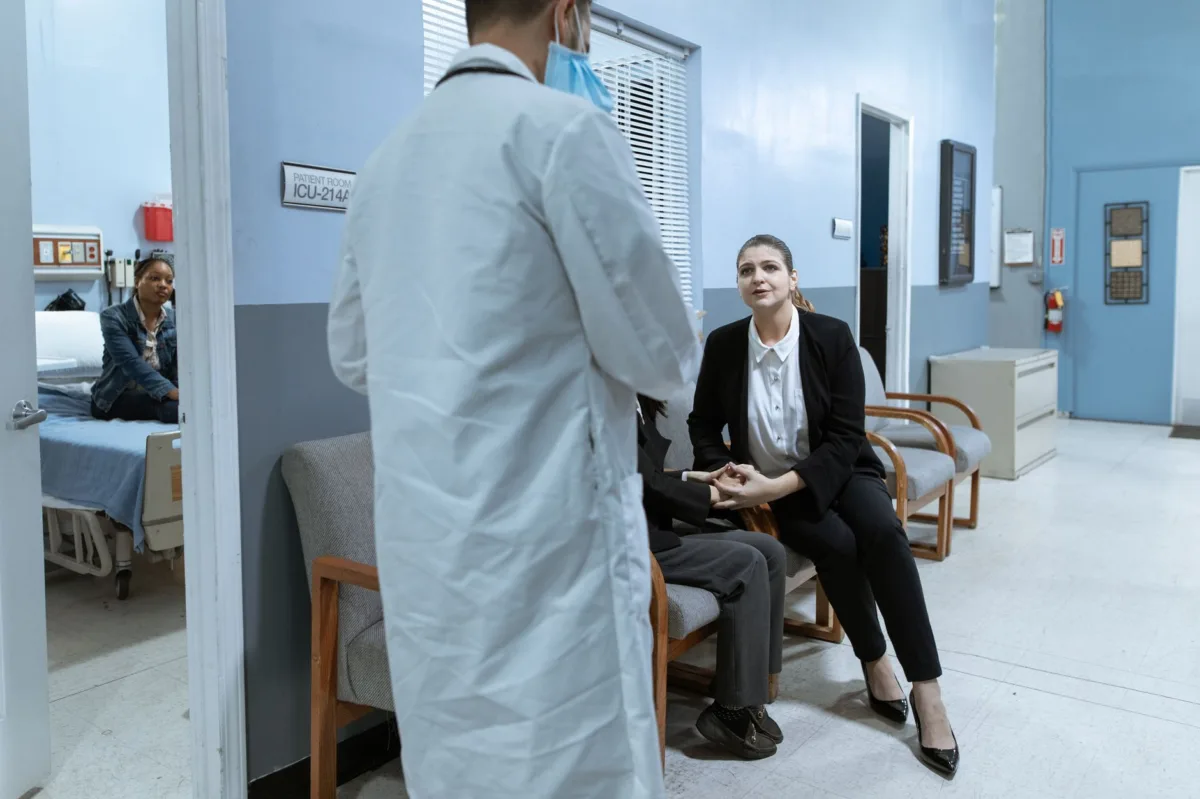
Marengo Asia Hospitals in Gurugram officially launched a specialized Multiple Sclerosis (MS) clinic this week to address the growing diagnostic and treatment challenges faced by patients across India. The initiative arrives as medical professionals and policymakers push for greater systemic support for those living with invisible disabilities, coinciding with recent national policy dialogues centered on enhancing patient outcomes for chronic neurological conditions.
Contextualizing the MS Crisis in India
Multiple Sclerosis is a chronic, immune-mediated disease of the central nervous system that often strikes young adults in their prime. Despite an increase in diagnostic capabilities, medical experts note that awareness remains critically low, leading to delayed interventions and mismanagement of symptoms.
Patients frequently describe an ‘invisible toll,’ where the physical and cognitive limitations of the disease are not apparent to the public or employers. This lack of visibility often results in social isolation and significant barriers to professional advancement for those affected.
A Targeted Approach to Neurology
The new facility at Marengo Asia Hospitals focuses on a multidisciplinary approach, integrating neurology, physiotherapy, and psychological support under one roof. By centralizing these services, the clinic aims to reduce the logistical burden on patients who previously had to navigate fragmented healthcare systems.
Dr. R.K. Singh, a lead neurologist, notes that early diagnosis is the most significant factor in slowing disease progression. The clinic utilizes advanced diagnostic imaging and standardized testing to ensure that patients receive personalized disease-modifying therapies as soon as symptoms emerge.
Policy Shifts and Invisible Disabilities
The launch of this clinic follows a landmark 10-point declaration adopted during a recent National Policy Dialogue. This movement calls for the formal recognition of invisible disabilities within Indian labor and healthcare laws, seeking to provide legal protections for those with non-visible conditions like MS.
Advocacy groups suggest that while infrastructure like specialized clinics provides the ‘how’ of treatment, policy changes provide the ‘why’ for societal integration. Data from recent health reports indicates that inclusive workplace policies could significantly improve the quality of life for the estimated thousands of Indians living with MS.
The Future of MS Care
Industry analysts expect a surge in specialized neurological centers across major Indian urban hubs over the next five years. As the medical community pushes for standardized care protocols, the focus will likely shift toward long-term rehabilitation and digital health monitoring tools.
Observers should watch for how private hospital chains integrate these clinics into their broader insurance coverage plans, as the cost of biologics and specialized care remains a primary barrier for many. Furthermore, the success of the 10-point declaration in influencing central government health policy will serve as a bellwether for the future of disability rights in the region.