









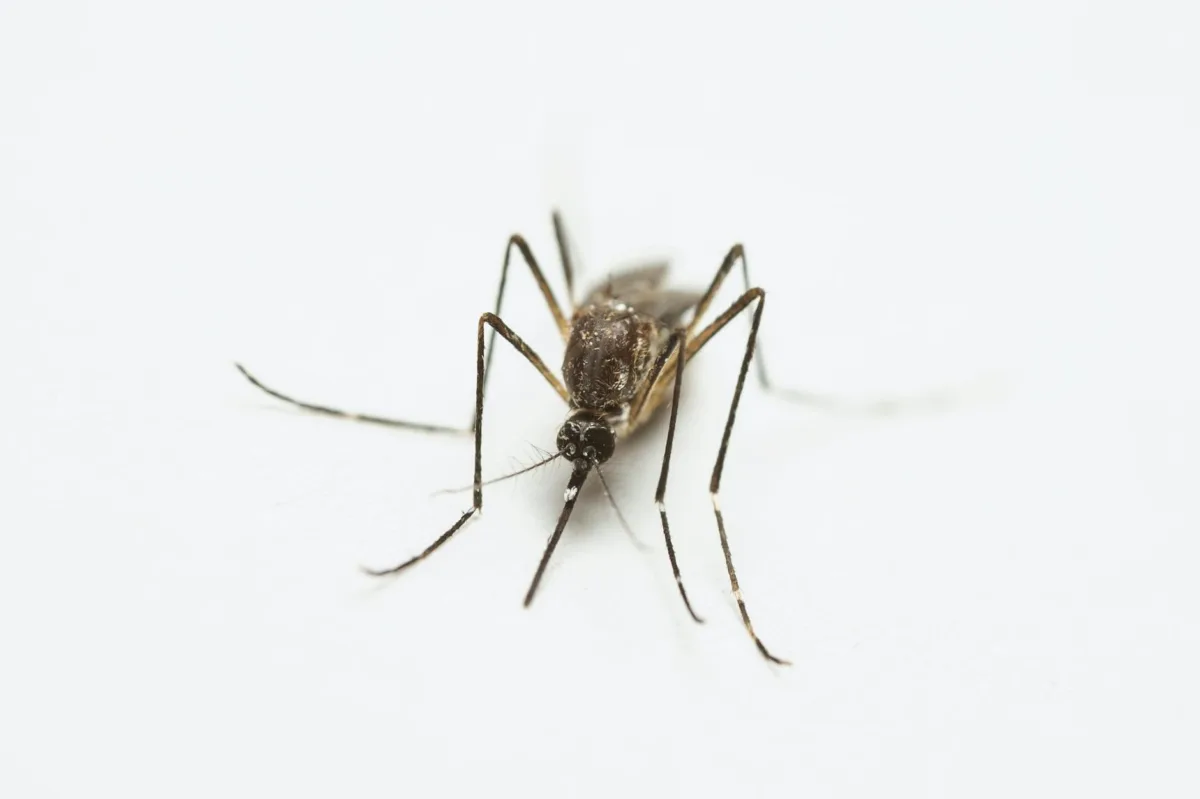
Alphabet’s life sciences subsidiary, Verily, has formally requested regulatory permission to release 32 million mosquitoes infected with Wolbachia bacteria across regions of California and Florida. This initiative, aimed at curbing the spread of mosquito-borne illnesses like dengue, Zika, and chikungunya, represents a significant expansion of the company’s Debug project.
Understanding the Role of Wolbachia Bacteria
The core of this strategy relies on the natural bacterium Wolbachia, which is already present in about 60% of insect species worldwide. When male mosquitoes are infected with this bacteria, they become effectively sterile when mating with wild females that do not carry the same strain.
Because the eggs produced from these pairings fail to hatch, the local population of disease-carrying mosquitoes is expected to decline significantly over time. This approach, often referred to as the Incompatible Insect Technique (IIT), provides a biological alternative to traditional chemical pesticides.
The Mechanics of the Debug Project
Verily utilizes automated technology to mass-rear and sort these mosquitoes at industrial scales. The company employs specialized sensors and AI-driven sorting machines to ensure that only male mosquitoes—which do not bite humans—are released into the target environments.
This precision is critical for public acceptance and safety. By ensuring that the released swarms consist entirely of males, the company aims to minimize human interaction while maximizing the disruption of the reproductive cycle of the pest population.
Expert Perspectives on Biological Control
Public health experts have long advocated for innovative vector control methods as climate change expands the habitats of invasive mosquito species. According to the Centers for Disease Control and Prevention (CDC), the rising global temperatures are creating more hospitable environments for mosquitoes in regions that were previously too cold for sustained populations.
Data from previous pilot programs in Fresno, California, demonstrated that the release of Wolbachia-carrying mosquitoes successfully reduced the population of the Aedes aegypti mosquito by more than 90% in treated areas. Researchers suggest that this localized success justifies the transition to larger, more ambitious field trials.
Regulatory and Environmental Considerations
The proposal is currently under review by the Environmental Protection Agency (EPA) and state-level agricultural authorities. Critics and environmental watchdogs have raised questions regarding the long-term ecological impact of introducing modified insect populations into native ecosystems.
Verily maintains that the project undergoes rigorous environmental impact assessments to ensure that the bacteria do not pose risks to humans, pets, or other wildlife. The company emphasizes that the mosquitoes released are not genetically modified organisms (GMOs) in the traditional sense, as the bacteria is a naturally occurring biological agent.
Future Implications for Public Health
If approved, the scale of this release could set a new precedent for how private technology firms collaborate with public health agencies to manage ecological threats. The success of this operation will likely determine whether biological control agents become a standard tool in the municipal arsenal against vector-borne diseases.
Looking ahead, observers should watch for the EPA’s final ruling on the permit application, as well as the initial public reception in the targeted counties. Should the project proceed, the subsequent data on mosquito population trends will be closely monitored by global health organizations as a potential blueprint for international disease prevention strategies.