









Shifting Retail Strategies for Apple Devices
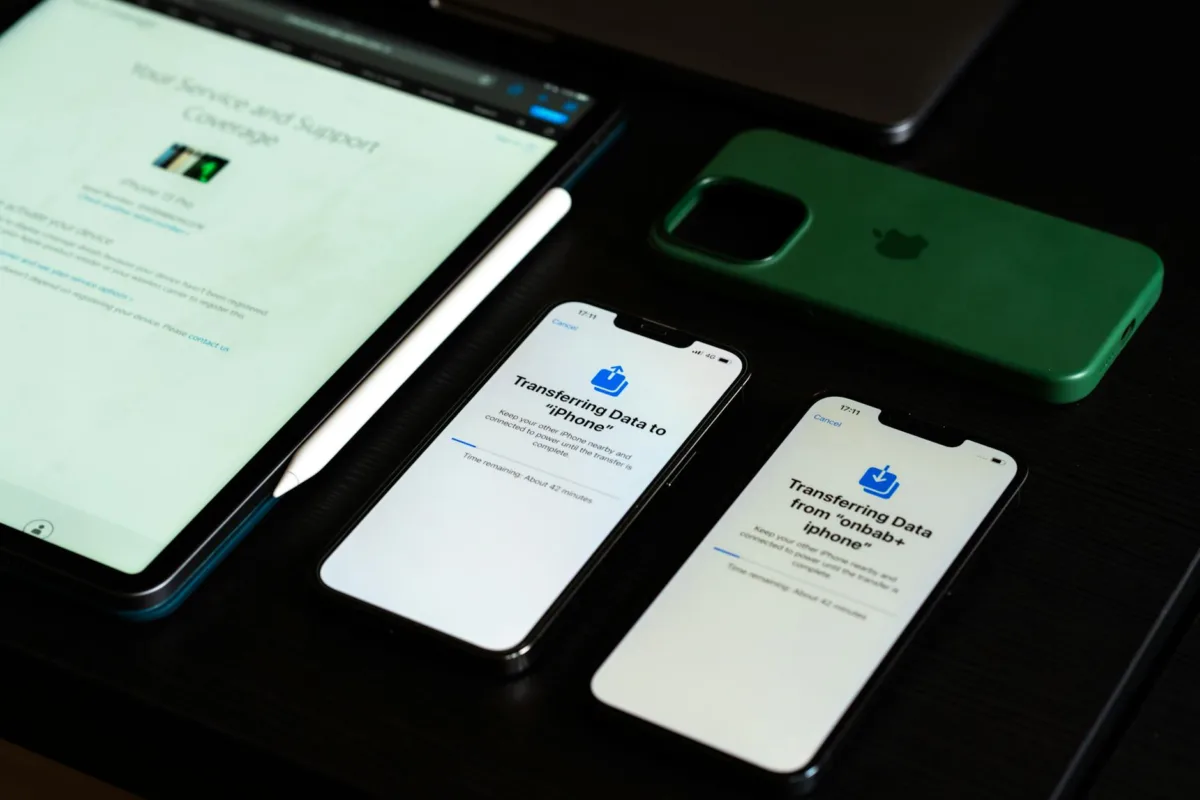
As of late 2024, consumers across global markets from Vietnam to India are witnessing a notable recalibration in Apple’s pricing strategy, with significant price drops reported for various iPhone models including the 17 Pro, 16e, and 15. These downward price adjustments, driven by regional retail sales, inventory liquidations, and competitive positioning, mark a strategic shift for Apple as the company navigates a saturated smartphone landscape.
The Landscape of Apple’s Pricing Adjustments
Historically, Apple has maintained a premium pricing model that rarely fluctuates outside of official seasonal refreshes. However, recent data indicates that third-party retailers and regional distributors are increasingly utilizing aggressive discounting to move units. In markets like Vietnam, the iPhone has seen consistent price cuts to maintain its status as a top-selling device, while in India, platforms like Croma and digital retailers are offering bundled deals and direct price reductions to attract price-sensitive demographics.
Market Drivers and Competitive Pressure
The decision to lower prices is largely a response to the intense competition from mid-range Android manufacturers who offer high-spec devices at lower entry points. Industry analysts suggest that by lowering the barrier to entry for older models, Apple effectively expands its ecosystem footprint, ensuring that more users are locked into services like iCloud, Apple Music, and the App Store.
Data from market research firms suggests that when iPhone prices drop by even 10-15%, sales volume in emerging markets tends to spike by double digits. This strategy allows Apple to keep its manufacturing lines efficient while clearing out older inventory ahead of new product cycles.
Consumer Impact and Strategic Implications
For the average consumer, this trend represents a rare opportunity to access premium hardware at a fraction of the launch-day cost. The availability of the iPhone 15 at prices dipping below the Rs 40,000 mark in India demonstrates that value-conscious shoppers no longer need to settle for entry-level devices to remain within the Apple ecosystem.
Looking ahead, the industry will be watching to see if Apple adopts a more formal ‘budget’ tier strategy. While the company has historically avoided diluting its brand with low-cost hardware, the success of the iPhone 16e and similar pricing experiments suggests that Apple is becoming increasingly flexible. Investors should monitor whether these regional price drops lead to a sustained global shift toward a more tiered pricing architecture, which could dictate the company’s hardware revenue growth in the coming fiscal quarters.