









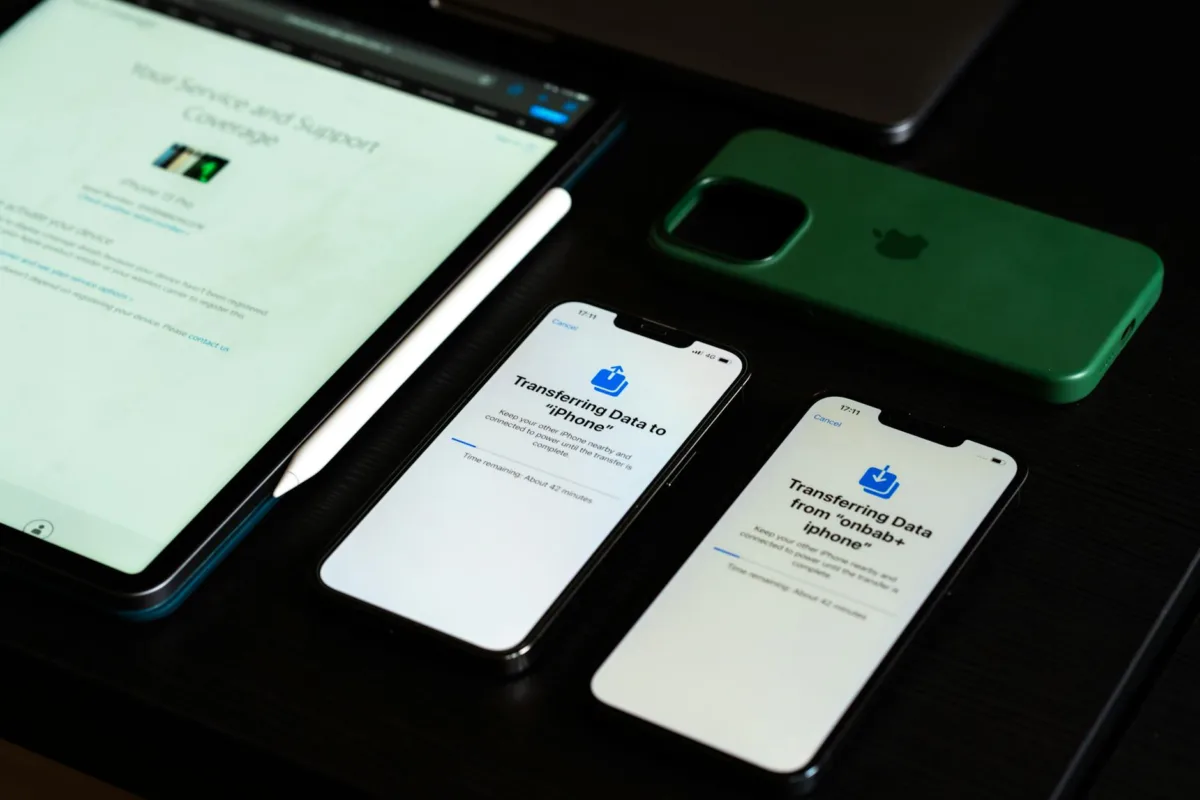
Simplifying the Digital Transition
Samsung Electronics recently launched a comprehensive initiative aimed at removing technical barriers for consumers switching to its Galaxy smartphone lineup. By enhancing data migration tools, the company seeks to address long-standing user concerns regarding the loss of personal data, contacts, and media when moving between mobile operating systems. This strategic push comes as global smartphone competition intensifies, with manufacturers vying for brand loyalty in a maturing market.
The Evolution of Data Portability
For years, the primary deterrent for smartphone users considering a brand switch has been the perceived complexity of transferring data. Historically, proprietary software ecosystems often restricted the seamless movement of files, leading to fragmented user experiences. Samsung’s recent updates to its Smart Switch platform represent a significant investment in interoperability, allowing users to transfer essential data wirelessly or via cable from both Android and iOS devices with minimal manual intervention.
Technical Advancements in Migration
The latest iteration of Samsung’s migration software focuses on speed and comprehensive file support. Beyond basic contact and calendar syncing, the system now manages the transfer of high-resolution photos, videos, and even historical chat logs from popular messaging applications. Engineers have optimized the data verification process to ensure that files remain uncorrupted during the transition, a common failure point in legacy migration tools.
Industry Perspectives and Market Dynamics
Market analysts suggest that hardware innovation alone is no longer sufficient to drive consumer upgrades. According to recent data from Counterpoint Research, the average smartphone replacement cycle has lengthened, making the ‘ease of transition’ a primary differentiator for OEMs. By reducing the friction of switching, Samsung is effectively lowering the barrier for potential converts who might otherwise be locked into competitor ecosystems.
Implications for the Competitive Landscape
The push for easier switching signals a broader industry trend toward service-oriented hardware sales. As manufacturers work to build cohesive ecosystems, the ability to integrate new users quickly becomes a key performance indicator for customer acquisition costs. For the consumer, this translates to increased freedom and the ability to choose devices based on features rather than historical data retention.
Future Outlook and Consumer Impact
Looking ahead, the industry is expected to move toward even more standardized data migration protocols. Consumers should watch for further integration between cloud-based storage services and device-specific migration tools, which will likely automate the transition process entirely in the near future. As these tools become more robust, the ‘walled garden’ approach to mobile technology may face increasing pressure to adopt more open, user-centric standards.