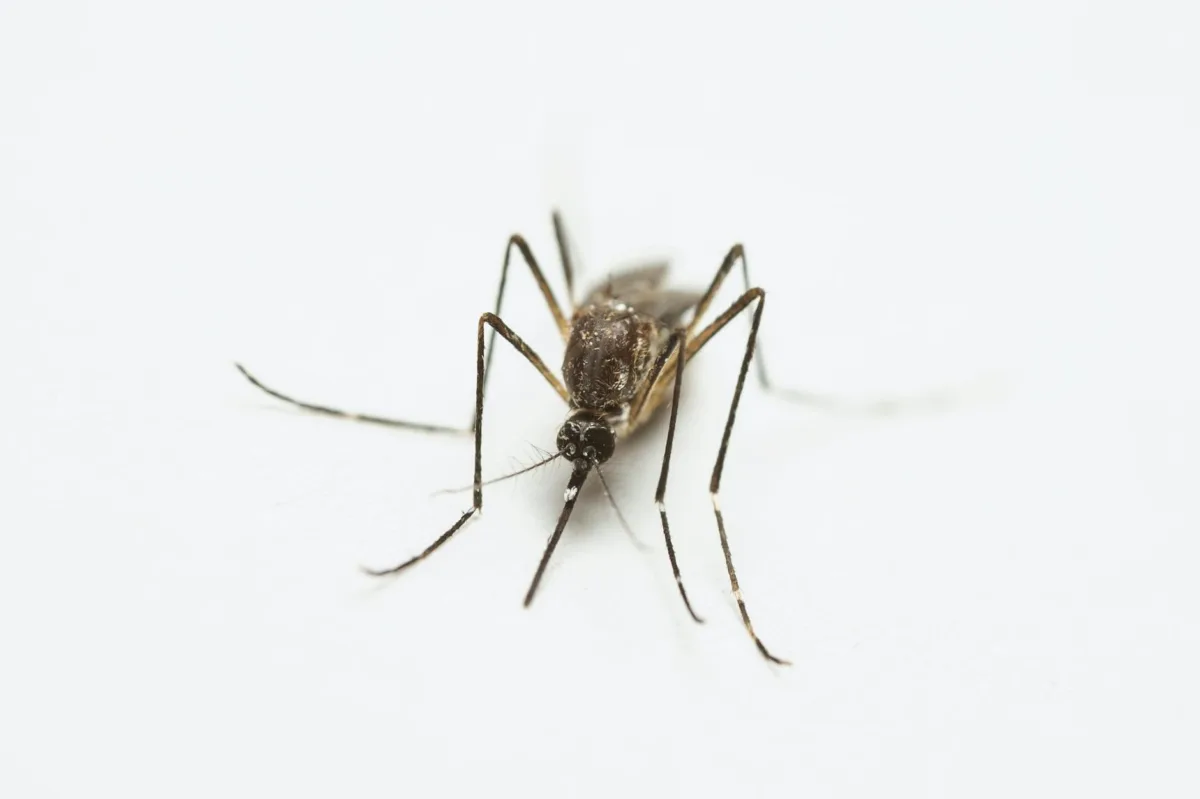










Alphabet’s life sciences subsidiary, Verily, has requested regulatory approval to release up to 32 million mosquitoes infected with the Wolbachia bacteria across California and Florida. This initiative, part of the company’s Debug project, aims to suppress local populations of the Aedes aegypti mosquito, a primary vector for viruses such as Zika, dengue, and chikungunya. By releasing these laboratory-reared, male mosquitoes, the company intends to disrupt the reproductive cycle of wild populations, thereby reducing the transmission risks of mosquito-borne illnesses in high-density urban areas.
The Science Behind the Strategy
The core of this strategy relies on a naturally occurring bacterium known as Wolbachia. When male mosquitoes carrying this bacterium mate with wild females that do not carry it, the resulting eggs fail to hatch, effectively crashing the local population over time.
This method is distinct from traditional chemical pesticides, which often face criticism for their environmental impact and the development of insecticide resistance. The World Health Organization (WHO) has highlighted the potential of biological control methods, noting that integrated vector management is essential to combat the rising global incidence of mosquito-borne diseases.
Expanding the Scope of Debug
Verily has been refining this technology for years, conducting initial trials in Fresno, California, and various international locations. The current proposal represents a significant scale-up in the company’s efforts to move from experimental pilot programs to broader public health applications.
Data from previous trials suggests that the release of these modified insects can reduce the targeted mosquito population by over 90 percent. By focusing on male mosquitoes—which do not bite or transmit disease—the program minimizes immediate nuisance for local residents while achieving long-term population suppression.
Expert Perspectives and Regulatory Hurdles
Public health experts generally support the use of biological controls, provided they undergo rigorous safety assessments. Dr. Peter Hotez, a prominent researcher in tropical medicine, has previously noted that innovative vector control is necessary as climate change expands the geographic range of disease-carrying insects.
However, the project faces scrutiny regarding its potential ecological footprint. Regulatory bodies, including the Environmental Protection Agency (EPA) and state-level agricultural departments, are tasked with evaluating the long-term impact on local ecosystems. Critics and local community members have raised questions about the unintended consequences of suppressing a species, even one as invasive as the Aedes aegypti.
Future Implications for Public Health
The success of the Debug project could signal a paradigm shift in how urban centers manage public health crises. If approved and proven effective at scale, this biological intervention could become a standard tool for municipalities looking to reduce dependency on synthetic insecticides.
Industry observers are now watching to see how the EPA evaluates the safety data provided by Verily. The outcome of these filings will likely set a precedent for how private technology companies interact with public health infrastructure and environmental policy. Future developments will focus on the transparency of the deployment process and the long-term monitoring of mosquito population recovery rates in the designated release zones.