









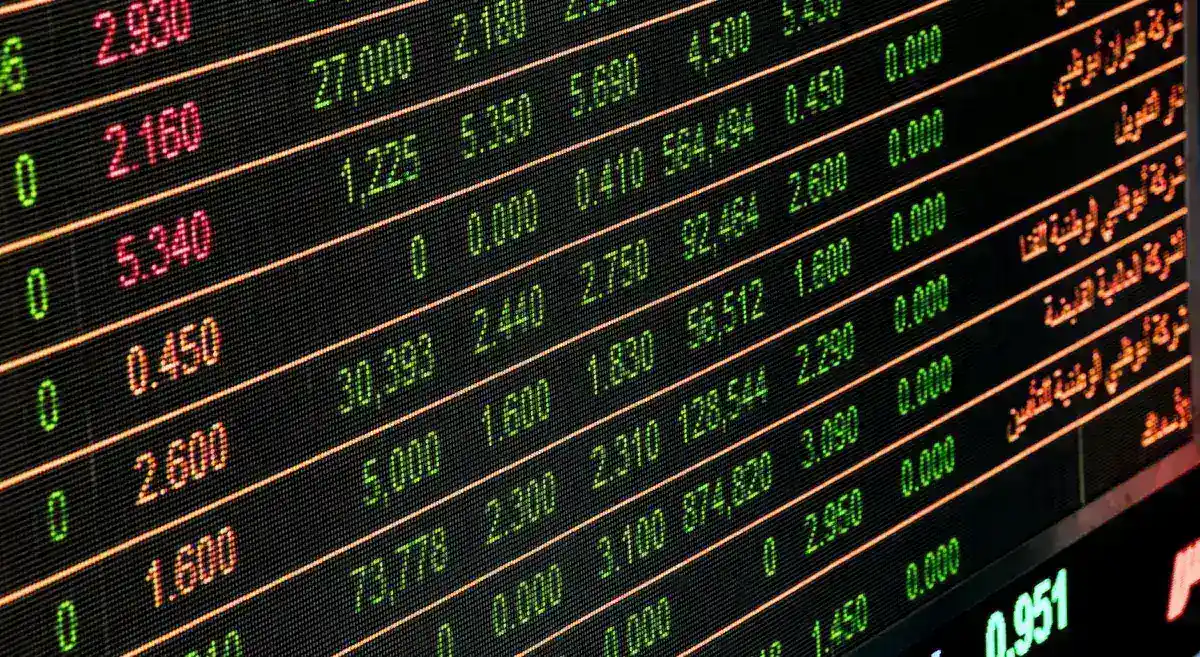
Indian equity markets experienced a sharp downturn on June 1, as the benchmark Nifty 50 and SENSEX indices surrendered earlier gains amid rising geopolitical tensions and shifting investor sentiment. The Nifty 50 closed below the 23,400 mark, marking its fourth consecutive session of decline, while the SENSEX plummeted over 1,000 points from its intraday high, reflecting a cautious atmosphere among domestic and international institutional investors.
The Context of Market Volatility
The recent market cooling follows a period of aggressive buying that pushed indices to record highs earlier in the year. Investors are currently recalibrating their portfolios as macroeconomic headwinds, including volatile crude oil prices and fluctuating global interest rate expectations, begin to dominate the narrative.
Drivers of the Market Decline
Multiple factors contributed to the sudden reversal in market momentum. Geopolitical instability, exacerbated by ongoing concerns regarding US-Iran diplomatic talks, has spooked global investors, leading to a flight toward safe-haven assets like gold.
Furthermore, the persistent surge in crude oil prices has intensified inflationary fears, impacting the margins of oil-importing economies like India. According to recent market analysis, the consistent selling pressure from Foreign Institutional Investors (FIIs) has also acted as a primary drag on index performance, limiting the upside potential for large-cap stocks.
Expert Perspectives and Data Insights
Market analysts point to a combination of technical exhaustion and fundamental uncertainty as the primary culprits. Data from the latest trading sessions shows a distinct shift in volume, with retail and institutional participants adopting a ‘wait-and-see’ approach ahead of further economic indicators.
The correlation between rising oil prices and equity market volatility remains a critical metric for traders. Financial experts note that while the Indian economy displays long-term resilience, the current geopolitical climate necessitates a more defensive posture in the short term.
Implications for Investors
For individual investors, this volatility underscores the importance of asset allocation and risk management. The trend of consecutive declines suggests that the market is currently in a phase of price discovery, where valuations are being adjusted to account for higher operational costs and global instability.
Market participants should monitor upcoming central bank commentaries and geopolitical developments closely. The ability of the Nifty 50 to find support at lower levels will be the primary indicator of whether this correction is a temporary pause or the beginning of a deeper bearish trend.