







New Momentum for Iowa Democrats
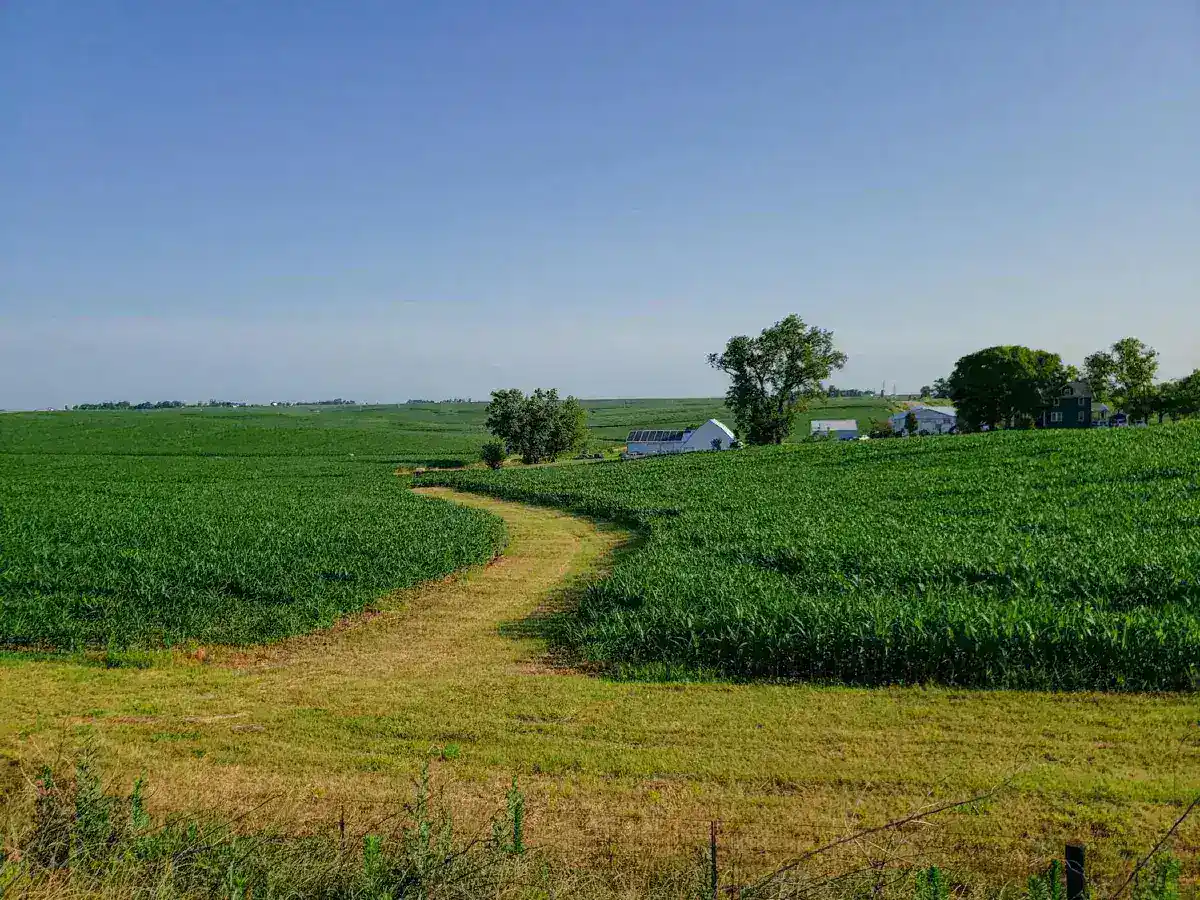
Iowa Democrats are positioning themselves for potential electoral breakthroughs in the upcoming midterm elections, fueled by widespread economic dissatisfaction across the state’s agricultural heartland. Following the conclusion of Tuesday’s primary elections, the party is centering its campaign on rural economic struggles, rising healthcare costs, and a perceived breakdown in local services, aiming to end a decade-long drought in major statewide victories.
Contextualizing the Economic Shift
The political landscape in Iowa has shifted significantly as the state grapples with the fallout of trade-related tariffs, rising input costs for farmers, and the closure of rural health facilities. Democrats argue that recent legislative actions, including Medicaid cuts, have disproportionately harmed rural communities. These issues have created a rare opening in a state that has trended reliably Republican since the 2012 presidential election.
The Strategy Behind the Ballot
Democrats are banking on a high-profile slate of candidates to drive turnout, including U.S. Senate nominee Josh Turek and gubernatorial candidate Rob Sand. Sand, the current state auditor, is viewed as a critical asset due to his reputation for fiscal independence and cross-party appeal. The party is also aggressively targeting three of the state’s four U.S. House seats, building on a strategy that emphasizes economic relief for farmers and families.
Expert Perspectives and Data
The political environment remains challenging, with some analysts noting that Republicans retain a strong institutional advantage in a state where Donald Trump won by 13 points in previous cycles. However, recent data highlights significant vulnerabilities; Morning Consult polling from February 2026 identified Governor Kim Reynolds as one of the most unpopular governors in the nation, with a 49 percent disapproval rating. Democratic organizers point to recent special election victories as evidence of a shifting sentiment, noting that the party successfully broke the Republican supermajority in the state Senate in 2025.
Implications for the Midterms
For the agriculture sector, the pressure is mounting as farmers face volatile fertilizer and fuel costs, largely attributed to international conflicts and trade policies. Aaron Heley Lehman, president of the Iowa Farmers Union, noted that rural voters are currently experiencing significant financial pain and are increasingly skeptical of political rhetoric that does not match local realities. As the November election approaches, the ability of Democratic candidates to capitalize on this dissatisfaction will depend on their success in rebranding the party in traditionally conservative rural districts.
What to Watch Next
Observers should monitor early polling in the Senate race between Turek and GOP Rep. Ashley Hinson, which currently shows a statistical deadlock. Additionally, the performance of House candidates in districts 1 and 3 will serve as a bellwether for whether the Democratic message of rural economic recovery is resonating with swing voters or if the Republican base will hold firm despite the economic headwinds.