










Strategic Shift Toward AI Infrastructure
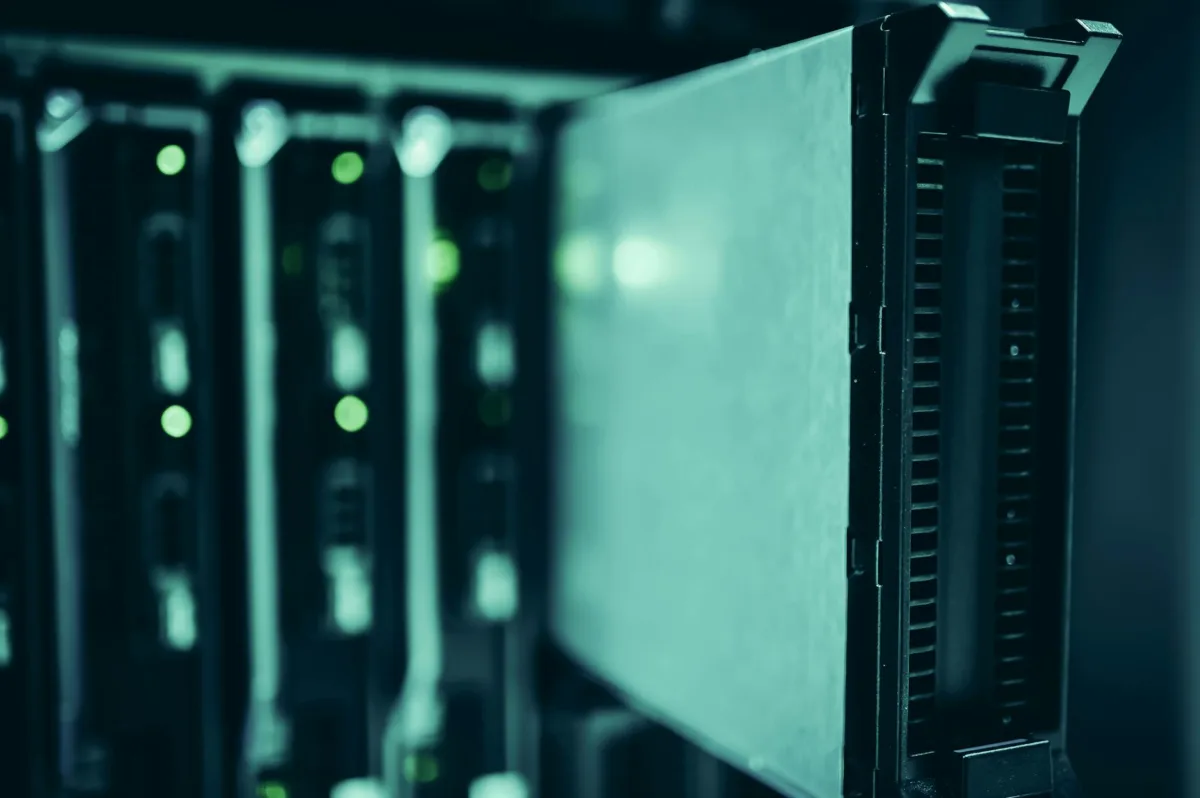
ASUS transformed its presence at Computex 2026 this week by positioning itself as a primary provider of AI factory infrastructure, signaling a significant pivot from its traditional consumer-electronics focus toward industrial-grade data center solutions. The company unveiled a suite of high-performance hardware, including the RUC-2000-series rugged-rack edge AI systems, aimed at enabling corporations to integrate generative AI directly into their operational workflows.
The Evolution of the AI Hardware Landscape
For decades, ASUS maintained a dominant market share in consumer motherboards and personal computing devices. However, the global surge in demand for accelerated computing has forced major hardware manufacturers to diversify their portfolios toward enterprise-level infrastructure.
Market analysts note that the current shift is driven by the ‘AI Factory’ concept—a modular approach where data centers function less like storage facilities and more like high-speed manufacturing plants for intelligence. By focusing on edge computing and ruggedized rack systems, ASUS is attempting to bridge the gap between centralized cloud processing and local, real-time data analysis.
Expanding the AI Ecosystem
Beyond server hardware, ASUS showcased advancements in AI-driven healthcare and robotics, illustrating a cross-sector strategy designed to embed proprietary AI models into niche professional environments. The introduction of the RUC-2000-series reflects this trend, as the system is designed to operate in harsh, non-traditional data center environments, such as manufacturing floors and remote medical facilities.
This hardware expansion is complemented by a renewed push into the AI PC market. By aligning its consumer product lines, including its latest titanium-cased smartwatches with continuous health monitoring, with its heavy-duty server offerings, ASUS is creating a vertically integrated ecosystem that spans from the individual user to the enterprise data center.
Industry Expert Perspectives
Industry observers emphasize that the success of this strategy hinges on the company’s ability to compete with established server giants. According to recent data from Digitimes, ASUS has identified servers and robotics as its primary strategic growth engines for the next five years, moving away from a reliance on fluctuating consumer demand.
Financial analysts suggest that this shift is a necessary hedge against the cooling growth in traditional PC markets. By providing the physical backbone for AI processing, the company aims to capture a larger percentage of the capital expenditure currently being deployed by enterprise clients.
Future Implications for the Data Sector
The move toward ruggedized edge AI suggests that the next phase of the AI revolution will be defined by decentralization. Companies are increasingly seeking to process data closer to the source to reduce latency and enhance security, rather than relying solely on massive, centralized cloud hubs.
Observers should watch for how ASUS integrates its new AI software layers with its hardware offerings over the coming fiscal year. As the line between consumer devices and industrial infrastructure continues to blur, the company’s ability to maintain high-performance standards across both sectors will determine its long-term viability in the competitive AI landscape.


