








New Appointments Bolster Judicial Capacity
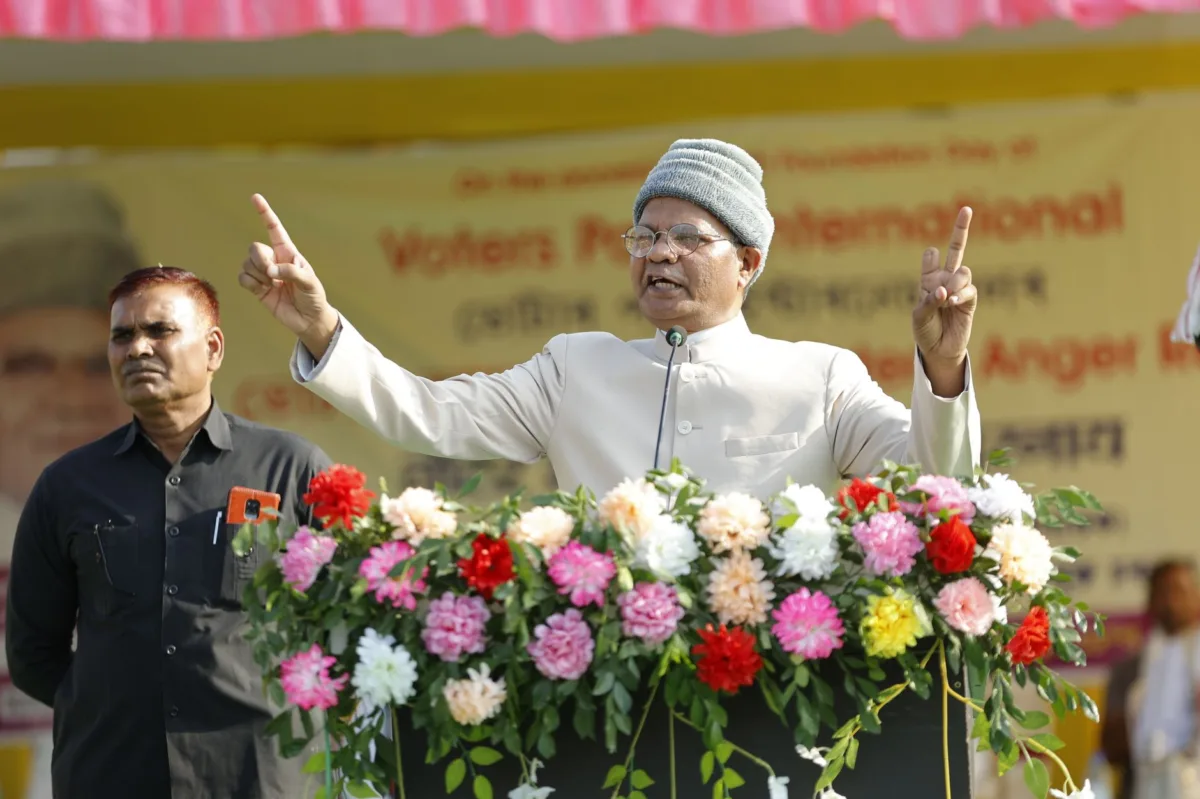
The Supreme Court of India officially expanded its judicial bench this week as Chief Justice of India D.Y. Chandrachud administered the oath of office to five new judges. Among the appointees is Justice V. Mohana, marking the first elevation of a woman to the apex court in five years. This strategic expansion brings the total strength of the Supreme Court to 37 judges, a move designed to address the mounting backlog of cases and improve the efficiency of the judicial system.
Context of Judicial Representation
The appointment of Justice Mohana is particularly significant given the long-standing discourse regarding gender diversity within the Indian judiciary. Before this induction, the presence of women in the Supreme Court had dwindled, with the institution facing criticism for its slow pace of gender-inclusive appointments. With Justice Mohana joining the bench, there are now two women serving as Supreme Court judges, signaling a potential shift in the collegium’s approach to diversity.
The Path to the Apex Court
Justice Mohana’s transition from a distinguished career at the Bar to her current position on the Bench has been widely noted for its emphasis on legal expertise and professional endurance. Her elevation is seen as a recognition of her extensive experience in constitutional and civil law. Legal analysts suggest that her appointment reflects a broader trend of selecting candidates with diverse litigation backgrounds to ensure a well-rounded perspective during high-stakes deliberations.
Operational Impact on the Judiciary
The sudden increase in the court’s strength to 37 judges is a critical development for the Indian legal system, which currently manages a significant volume of pending litigation. By filling these vacancies, the Supreme Court aims to reduce the burden on existing benches and expedite the disposal of urgent matters. The appointment process, which also saw the designation of Justice Ravindra Ghuge as the Acting Chief Justice of the Bombay High Court, highlights a wider effort to stabilize judicial leadership across both state and national levels.
Expert Perspectives on Appointments
Legal experts emphasize that the composition of the Supreme Court bench is essential for maintaining public trust and ensuring that judicial decisions reflect a wide array of viewpoints. Data from the Supreme Court’s administrative records indicates that the addition of these five judges will allow for the formation of more constitution benches, which are necessary for resolving complex legal questions. Observers note that while the current appointments are a positive step, the industry remains focused on whether this momentum will lead to a more consistent policy regarding judicial diversity in the coming years.
Future Implications for the Legal Landscape
The primary implication of these appointments is a likely increase in the speed and volume of case disposals over the next fiscal year. Stakeholders in the legal industry should watch for how the new bench composition influences rulings on key constitutional matters. Future developments will likely center on whether the collegium continues to prioritize geographic and gender diversity in subsequent vacancy cycles, a move that could redefine the demographic makeup of India’s highest court for the next decade.