







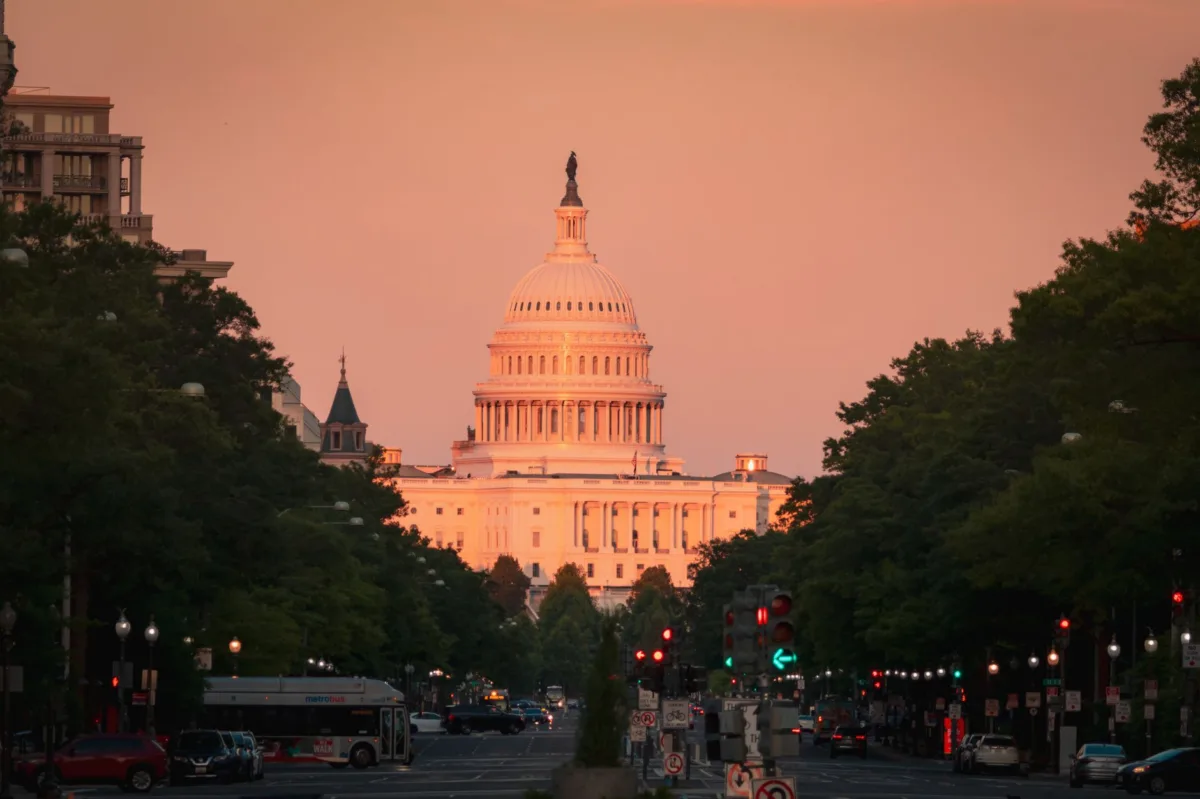
The U.S. House of Representatives voted on Thursday to restrict President Donald Trump’s ability to conduct military operations against Iran, marking a significant legislative defeat for the White House in Washington, D.C. The resolution, which passed with bipartisan support, signals a growing congressional effort to reassert authority over war powers, further complicating the administration’s political agenda during a tumultuous week for the Republican Party.
Contextualizing the Legislative Pushback
This vote arrives amid a broader trend of legislative friction between the Executive branch and Capitol Hill. Throughout the week, the administration faced several setbacks as Republican lawmakers joined Democrats to block various White House priorities, ranging from emergency funding requests to internal policy appointments.
The push for the Iran War Powers Resolution was prompted by heightened tensions in the Middle East, specifically following the targeted strike on Iranian General Qasem Soleimani. Lawmakers from both sides of the aisle expressed concerns that the administration bypassed traditional congressional oversight, sparking a constitutional debate regarding the separation of powers.
Analyzing the Congressional Shift
The resolution serves as a formal rebuke, requiring the president to terminate military hostilities against Iran unless he receives explicit authorization from Congress. While the measure is largely symbolic—given the administration’s likely veto and the lack of a two-thirds majority to override it—the optics remain damaging to the president’s legislative standing.
Political analysts suggest that the vote reflects a quiet but firm shift in the GOP’s internal dynamics. Several high-profile Republican senators and representatives have signaled a desire for more robust consultation regarding foreign interventions, moving away from the