







Political Tensions Rise in Iowa Senate Race
Representative Ashley Hinson, a leading Republican contender in Iowa’s competitive Senate primary, publicly acknowledged last week that the ongoing conflict in Iran is evolving into a significant political liability. Speaking during a meet-and-greet in Webster County, the Trump-endorsed candidate admitted that if the military engagement persists beyond the coming weeks, it could jeopardize the party’s standing with voters concerned about rising casualties and economic instability.
Contextualizing the Conflict
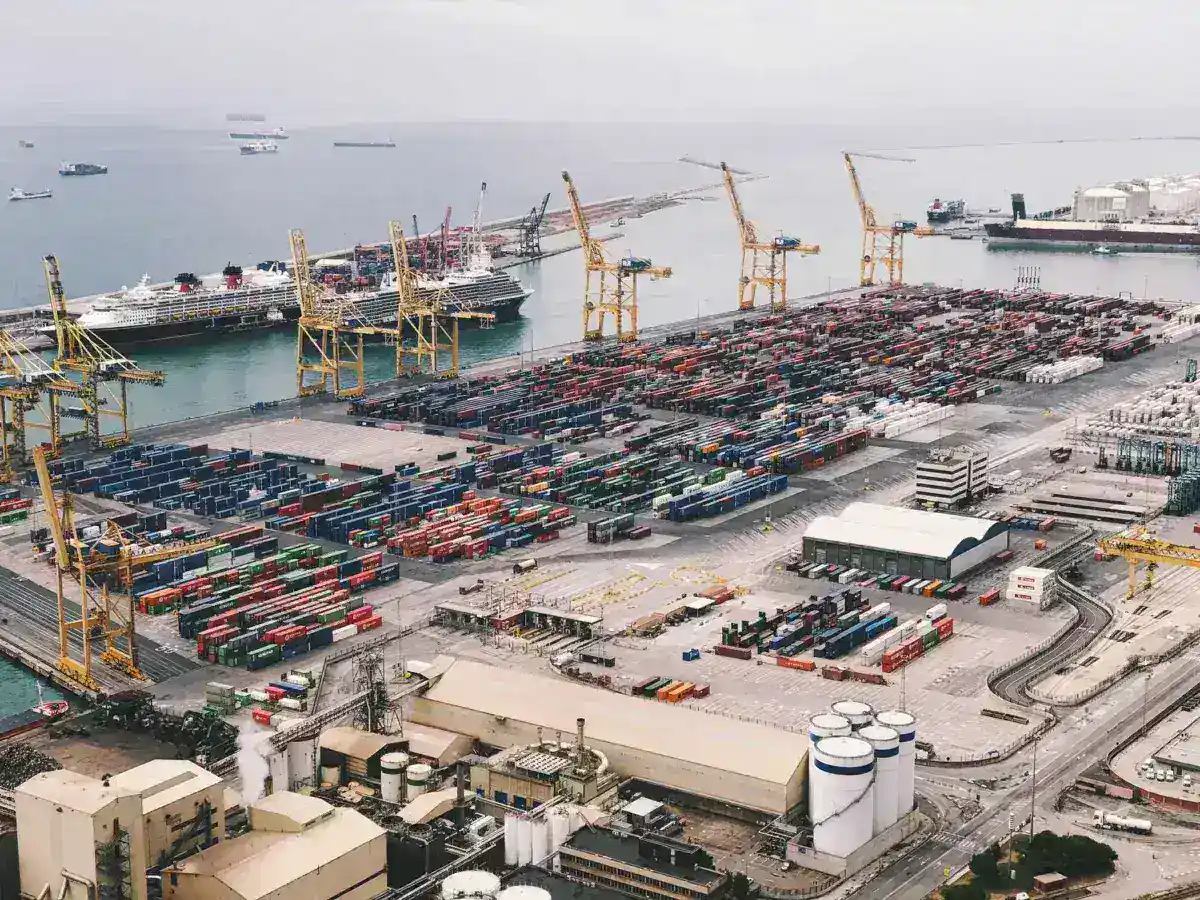
The United States’ involvement in the region has been framed by the White House as a necessary measure to prevent Iran from acquiring nuclear capabilities. Despite this stated objective, the conflict has resulted in tangible domestic consequences, including surges in energy prices and disruptions to agricultural supply chains. For Iowa, a state heavily reliant on diesel and fertilizer for its massive agricultural sector, these economic pressures are amplified by the closure of the Strait of Hormuz.
The Human and Economic Cost
The emotional toll of the war has hit Iowa particularly hard, with local families mourning the loss of service members. Representative Hinson noted that she has attended four funerals for fallen soldiers since December, a reality that complicates the political narrative surrounding the administration’s military strategy. Beyond the personal loss, polling data from May indicates that a majority of Americans, including a significant portion of the Republican base, link the conflict directly to the rising cost of living.
Strategic Calculations and Party Alignment
While Hinson remains a steadfast ally of President Donald Trump and has consistently supported his military policy, her recent comments reflect a growing anxiety among GOP strategists regarding the midterm landscape. Unlike some anti-interventionist voices in the party, such as Senator Rand Paul, most candidates in tight races have remained hesitant to criticize the president’s approach. However, as the conflict enters an indeterminate phase, the pressure to secure a clear victory or an exit strategy is mounting.
Implications for the Midterms
The White House has maintained that the goal of deterring Iranian nuclear development outweighs short-term political considerations, with President Trump recently dismissing the impact of the war on upcoming elections. Nevertheless, the disconnect between administration rhetoric and the financial strain felt by voters remains a critical variable. Analysts suggest that the duration of the conflict will serve as a primary indicator of electoral success, as voters increasingly prioritize domestic economic relief over foreign policy objectives.
What to Watch Next
Observers are closely monitoring the upcoming Iowa primary results to gauge whether Hinson’s candid assessment resonates with the electorate or if it signals a broader shift in how GOP candidates discuss the conflict. Additionally, any changes to the administration’s timeline for the war or further volatility in global energy markets will likely dictate the intensity of the debate in the final months leading up to the November elections.