






The Office of the United States Trade Representative (USTR) announced this week that the Trump administration is proposing new tariffs of at least 10% on goods imported from dozens of major trading partners. This move follows the conclusion of a comprehensive government-led investigation into global supply chains, which officials claim uncovered widespread evidence of forced labor practices in key manufacturing sectors.
Background of the Investigation
The investigation was initiated under Section 301 of the Trade Act of 1974, a tool historically used to address unfair trade practices. Over the past year, trade officials audited thousands of import records and supply chain disclosures to identify systemic violations of international labor standards.
Government reports indicate that the probe focused on industries ranging from textiles and consumer electronics to raw mineral extraction. Officials argue that these practices provide an artificial cost advantage to foreign manufacturers, effectively undercutting American businesses that adhere to strict domestic labor regulations.
Economic Scope and Industry Impact
The proposed tariff increase targets a diverse array of nations, impacting both traditional allies and emerging markets. By imposing a baseline duty of 10%, the administration aims to neutralize the perceived price disparity caused by labor exploitation.
Economists are already weighing in on the potential fallout of such a broad policy shift. Many analysts suggest that while the tariffs are framed as a moral imperative regarding human rights, they will likely trigger inflationary pressure on consumer goods in the United States.
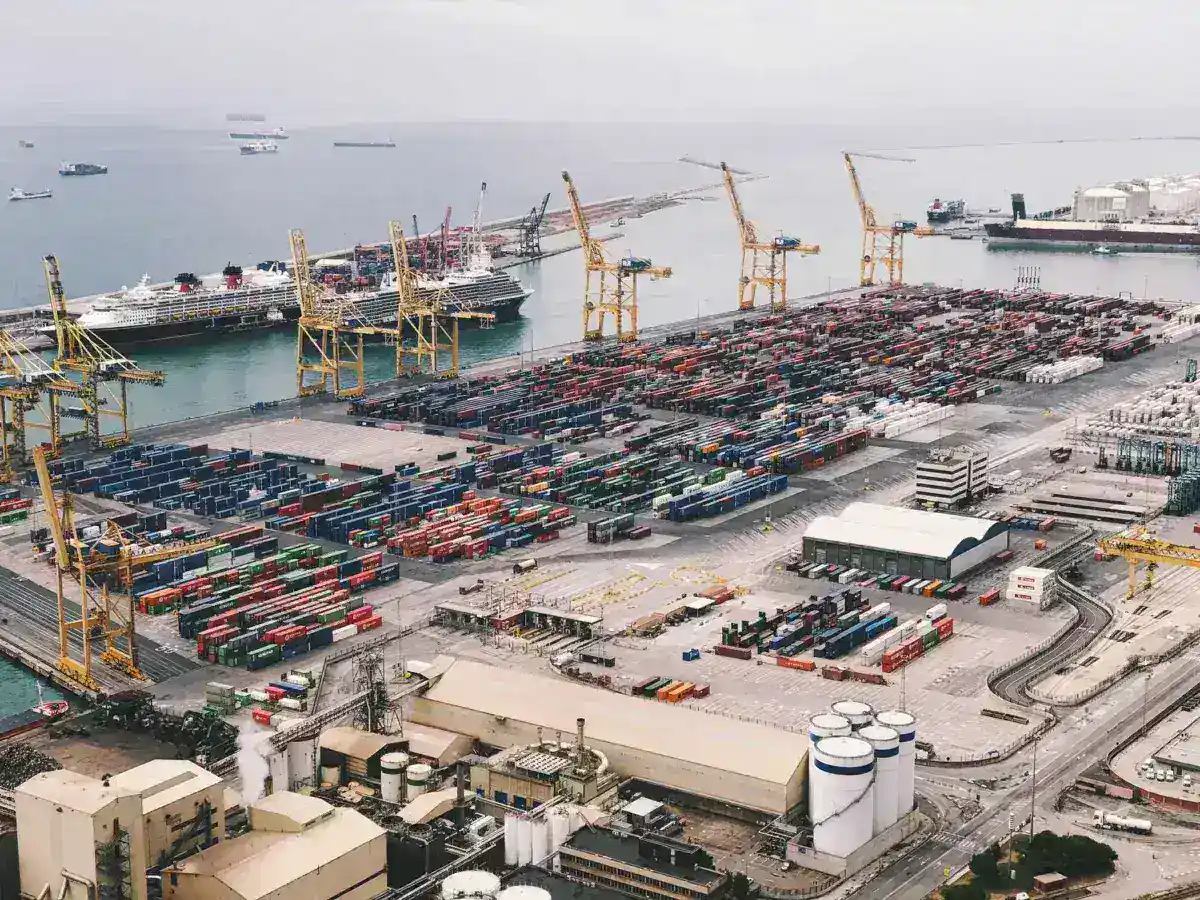
According to data from the National Retail Federation, consumer electronics and apparel industries are expected to face the highest immediate costs. These sectors rely heavily on the complex, multi-tiered supply chains that the USTR investigation specifically targeted.
Expert Perspectives
Trade policy experts maintain that the move marks a significant departure from standard diplomatic negotiation tactics. “This is a shift from bilateral trade disputes toward a unilateral enforcement mechanism based on human rights criteria,” says Dr. Elena Vance, a senior fellow at the Global Trade Institute.
Conversely, some industry advocates argue that the 10% threshold may be too blunt an instrument. Critics point out that multinational corporations often struggle to achieve full visibility into their deep-tier suppliers, making compliance with these new mandates difficult to verify in the short term.
Implications for Global Trade
For American businesses, the immediate future involves a period of intense supply chain auditing and potential relocation. Companies must now weigh the cost of tariff compliance against the investment required to move manufacturing to regions with certified labor practices.
Investors should monitor the upcoming public comment period, where industry representatives will have the opportunity to challenge specific tariff classifications. The finalization of these duties will likely depend on the administration’s ability to withstand pressure from both domestic retail lobbyists and international trade commissions.
Looking ahead, the focus will shift to how trading partners respond to the U.S. proposal. Potential retaliatory measures from affected nations could lead to a protracted period of global trade instability, forcing multinational firms to accelerate their transition toward localized or “near-shored” production strategies.