






The Escalating Trade Dispute
The United States government has formally proposed an additional 12.5% tariff on imports from India and 53 other nations, citing concerns regarding forced labor practices within their supply chains. This policy shift, surfacing this week, threatens to disrupt global trade flows and has prompted immediate pushback from affected governments, including New Delhi, which has categorically rejected the allegations.
Context of the Global Crackdown
The proposed tariffs stem from an intensifying US focus on supply chain transparency and human rights compliance under the Uyghur Forced Labor Prevention Act and broader executive mandates. The US Department of Labor maintains lists of goods it believes are produced through forced or child labor, and these new measures aim to leverage financial pressure to enforce stricter domestic and international standards. Historically, the US has utilized targeted sanctions, but this blanket approach marks a significant escalation in trade policy.
India’s Stance and Diplomatic Response
Indian officials have expressed strong disagreement with the characterization of their labor practices, asserting that existing domestic laws and international labor organization standards are sufficient. The Indian Ministry of Commerce stated that it remains engaged in active diplomatic discussions with Washington to clarify the scope of the concerns. Analysts note that India is currently in the midst of negotiating a more comprehensive trade framework with the US, making the timing of this proposal particularly sensitive for bilateral relations.
Economic Implications for Global Supply Chains
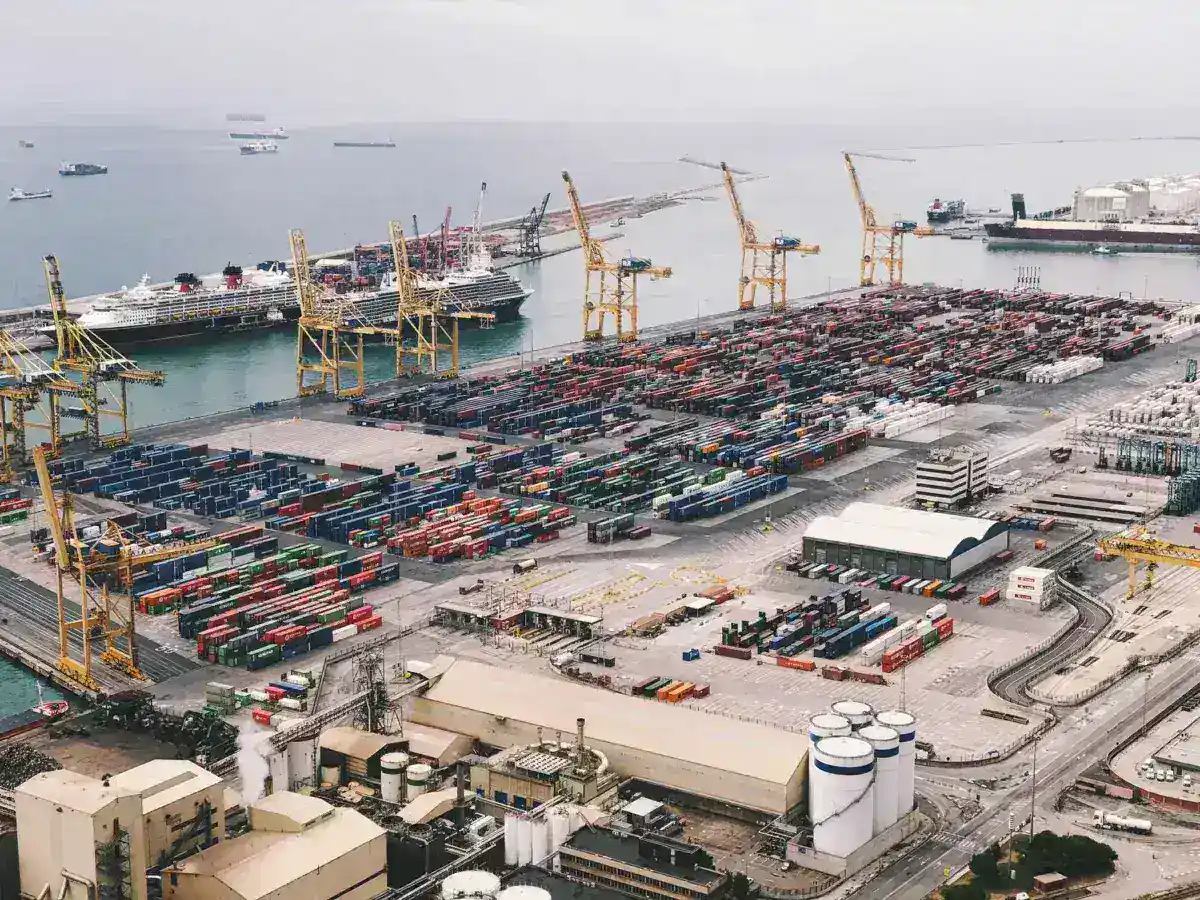
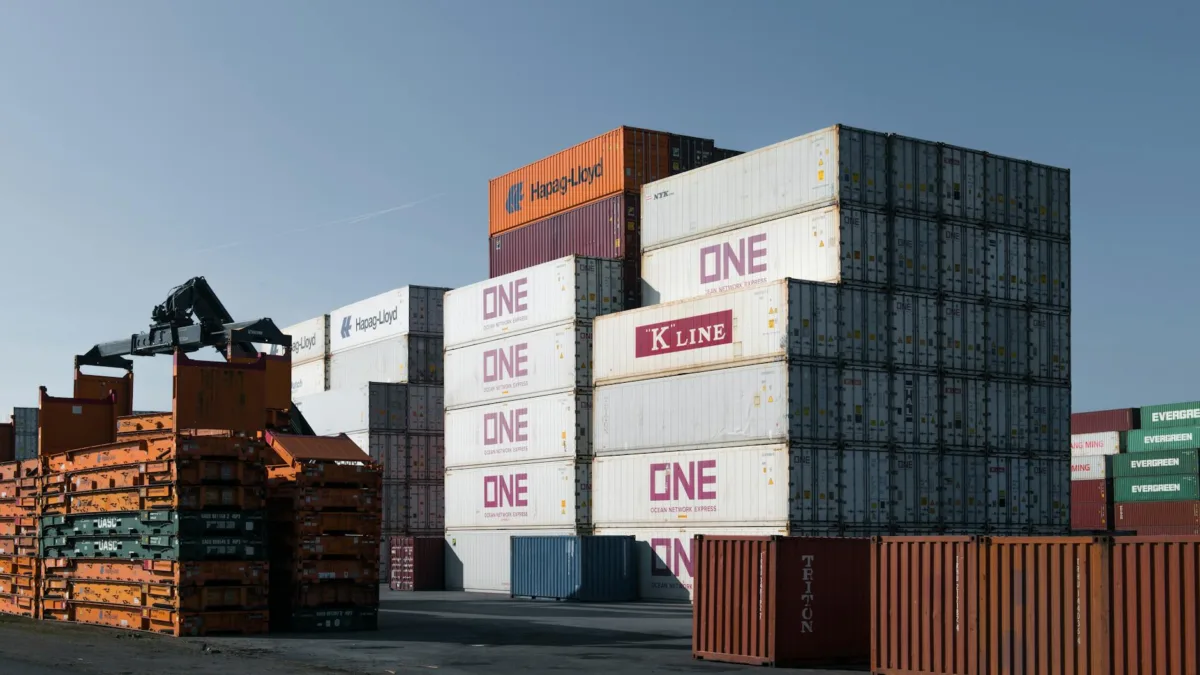
Industry experts warn that a 12.5% surcharge could lead to immediate price hikes for American consumers and businesses relying on these global inputs. Manufacturing sectors, particularly textiles, electronics, and agriculture, face the highest risk of disruption as firms scramble to audit their supply chains for compliance. According to recent trade data, the cumulative impact of these tariffs would affect billions of dollars in goods, potentially forcing a massive realignment of manufacturing hubs away from countries flagged by the US.
Expert Analysis on Market Volatility
Trade economists suggest that this move reflects a broader protectionist trend within the US, where domestic labor interests are being prioritized over traditional free trade agreements. Data from the Peterson Institute for International Economics indicates that such unilateral tariff hikes often result in retaliatory measures, which could eventually drag down global GDP growth. The complexity of verifying labor conditions in tiered supply chains means that even compliant companies may face administrative burdens and increased shipping costs.
Future Outlook and Monitoring Points
The immediate focus for stakeholders will be the upcoming ministerial-level meetings between the US and the targeted nations, which will determine if the proposal is implemented, modified, or shelved. Observers should monitor whether the US provides a clear pathway for compliance or if these tariffs become a permanent fixture of the current administration’s trade policy. The outcome of these negotiations will likely set a precedent for how the US manages human rights-linked trade disputes in the coming decade.