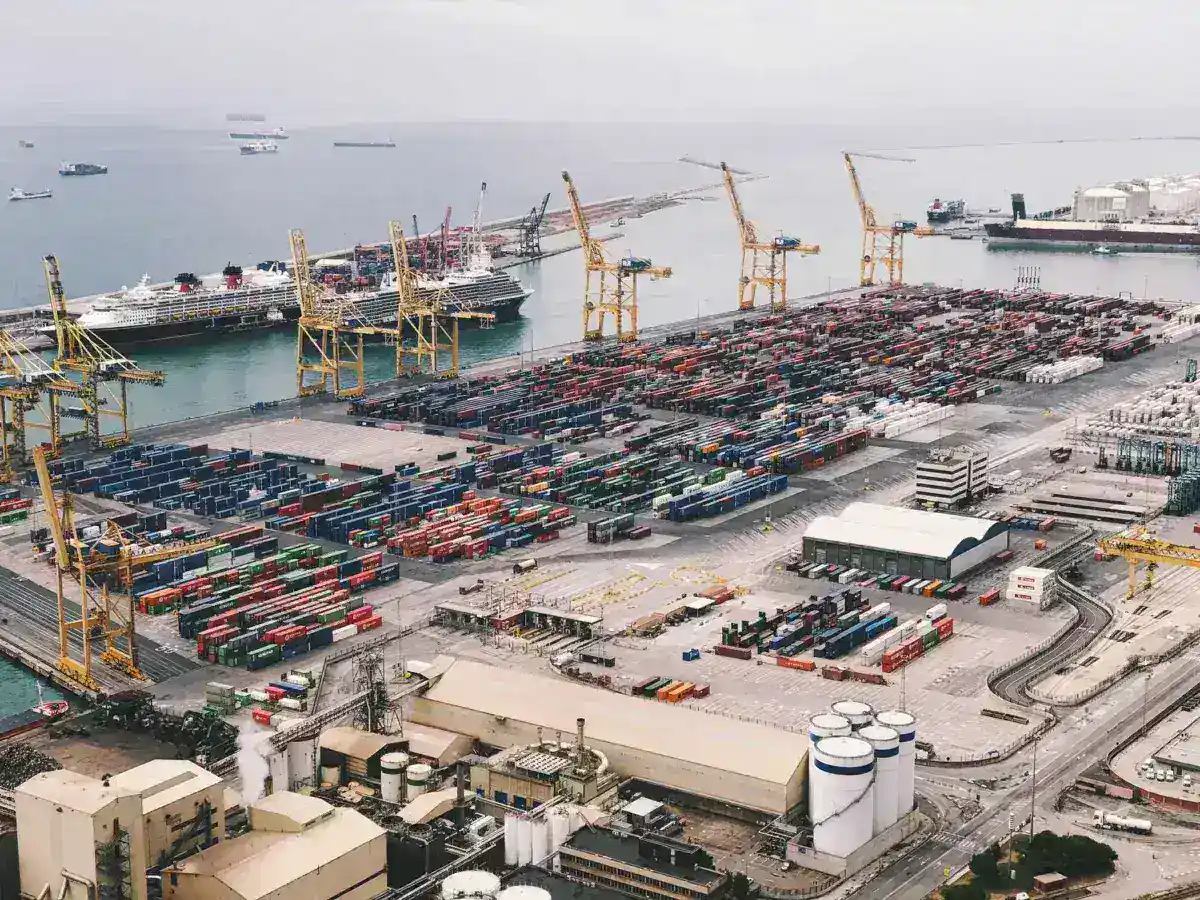







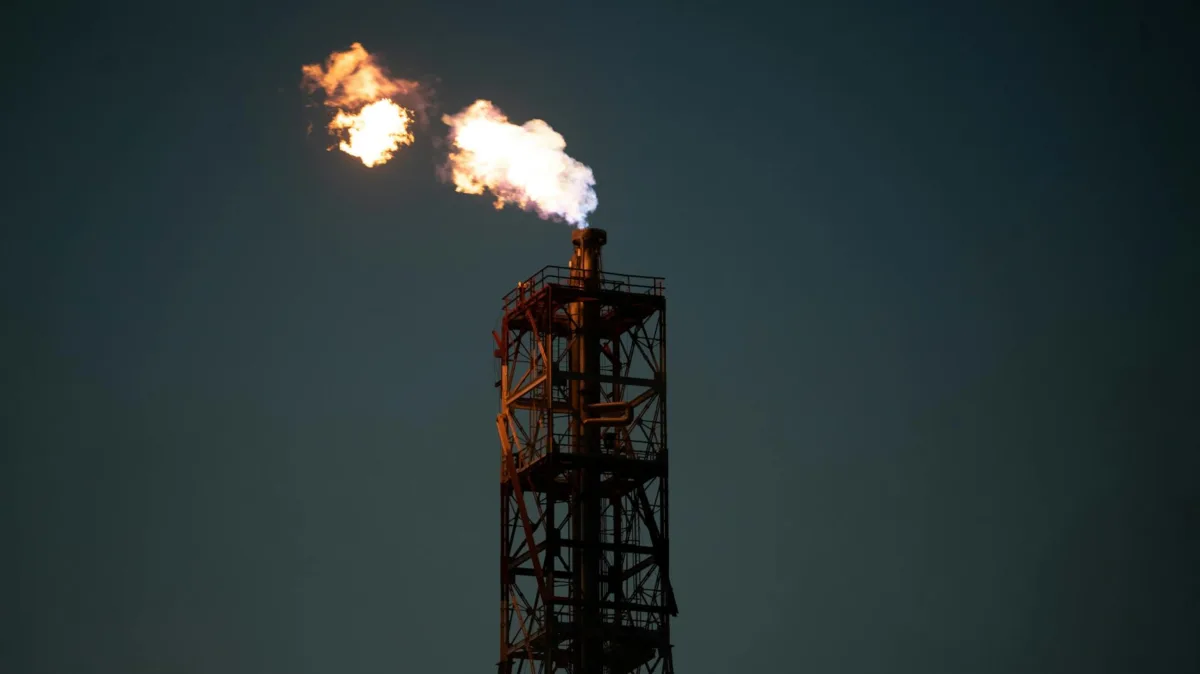
Ukrainian forces launched a targeted drone strike against an oil terminal and a naval facility in St. Petersburg early this week, creating a significant security disruption just days before the commencement of the St. Petersburg International Economic Forum (SPIEF). The coordinated attack, which occurred as international delegates and business leaders began arriving for the high-profile event, underscores the escalating reach of Ukrainian long-range aerial operations deep within Russian territory.
The Strategic Context of the Forum
The St. Petersburg International Economic Forum has historically served as Russia’s premier platform for showcasing its economic resilience and attracting international investment. This year, the Kremlin intended to use the gathering to project stability and strength despite the ongoing conflict in Ukraine and the weight of international sanctions.
By selecting a target of such high visibility shortly before the forum’s opening, Kyiv has effectively challenged the narrative of Russian domestic security. Analysts note that the strike serves as a symbolic and tactical reminder that the conflict is not confined to the front lines in eastern and southern Ukraine.
The Mechanics of the Strike
Local reports and satellite imagery confirm that the strikes targeted critical energy infrastructure, specifically an oil storage facility, and nearby naval assets. While Russian officials claimed that air defense systems intercepted the majority of the incoming drones, the resulting fires and operational pauses at the facilities indicate a successful penetration of defensive perimeters.
The use of long-range, domestically produced unmanned aerial vehicles has become a cornerstone of Ukraine’s strategy to degrade Russia’s logistical capacity. According to recent data from the Institute for the Study of War, Ukraine has systematically targeted oil refineries and storage depots throughout the spring, aiming to diminish the Russian military’s fuel supply and disrupt the national economy.
Expert Perspectives on Security and Escalation
Security experts argue that the timing of the strike is intended to force the Russian military to divert air defense assets away from the front lines to protect major urban centers. This defensive shift could potentially create vulnerabilities that Ukrainian forces might exploit during upcoming ground offensives.
“The strike on St. Petersburg is a calculated move to demonstrate that no part of the Russian Federation is immune to the consequences of the war,” said a defense analyst familiar with regional security dynamics. “It serves to pressure the Russian leadership while they are attempting to present a business-as-usual image to their remaining international partners.”
Implications for the Region
For the business leaders and diplomats attending SPIEF, the strike introduces an element of uncertainty regarding the sustainability of Russian infrastructure. The incident highlights the growing risk profile for foreign investors who remain engaged with the Russian market under the current geopolitical climate.
Looking ahead, observers should monitor whether the Russian government implements tighter restrictions on public information regarding infrastructure damage or if it chooses to retaliate with intensified strikes on Ukrainian energy infrastructure. The coming days will likely see an increased focus on the effectiveness of Russian air defense networks as the forum concludes and international attention shifts back to the battlefield.