






Bollywood actress Anushka Sharma triggered a fierce public debate this week after posting an endorsement of homeopathy on her social media platforms, drawing sharp condemnation from medical professionals who labeled the practice as unscientific. The controversy erupted after Sharma shared her personal health journey, crediting homeopathic remedies for playing a significant role in her well-being, which prompted an immediate and vocal reaction from the prominent social media personality known as ‘The Liver Doc.’
The Clash Between Celebrity Influence and Medical Science
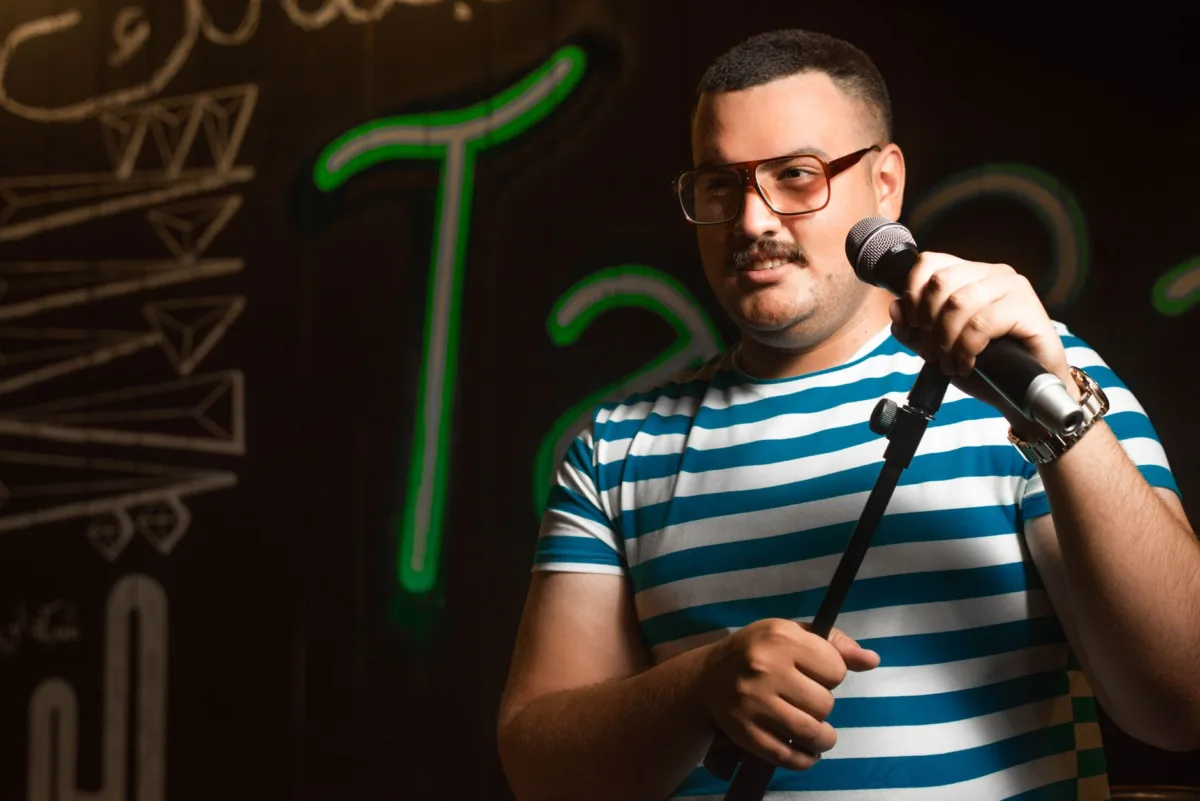
The conflict escalated when ‘The Liver Doc,’ a hepatologist who frequently critiques health misinformation online, publicly challenged the actress. He characterized the promotion of homeopathy as a ‘triangle of shame,’ arguing that endorsing pseudoscientific practices carries dangerous implications for public health. The exchange quickly polarized internet users, with many followers defending Sharma’s right to share her personal experiences, while others echoed the expert’s concerns regarding the lack of empirical evidence supporting homeopathic treatments.
Understanding the Debate Over Homeopathy
Homeopathy, developed in the late 18th century, is based on the principle of ‘like cures like,’ utilizing highly diluted substances to trigger the body’s natural healing processes. Despite its long history and popularity in various regions, the global scientific community remains largely unified in its skepticism. Major health organizations, including the National Health and Medical Research Council (NHMRC) of Australia, have conducted extensive reviews and concluded that there is no reliable evidence that homeopathy is effective for treating any health condition.
Critics often point to the placebo effect as the primary driver behind reported success stories. Conversely, proponents argue that the anecdotal benefits observed by patients justify its continued use as a complementary form of medicine. This divide highlights a recurring tension in the digital age: the friction between the reach of celebrity influencers and the clinical standards maintained by the medical establishment.
The Impact of Celebrity Health Claims
The incident underscores the growing scrutiny surrounding celebrity wellness endorsements. With millions of followers, public figures wield significant influence over health-related decision-making, often without the oversight associated with medical professionals. Critics argue that when celebrities validate alternative medicine, they may inadvertently discourage followers from seeking evidence-based treatments for serious illnesses.
Data from recent digital literacy studies suggest that social media users are increasingly susceptible to health misinformation that is framed as personal narratives. When a public figure shares a health experience, it is often perceived as more relatable and trustworthy than clinical data, creating a challenge for public health communication experts who strive to promote scientifically backed medical practices.
Looking Ahead: Regulation and Responsibility
As the debate continues, industry observers are watching for potential shifts in social media policies regarding medical misinformation. Platforms are under mounting pressure to label or moderate content that promotes unverified health claims, particularly when those claims contradict consensus science. Moving forward, the focus will likely remain on whether digital platforms will implement stricter guidelines for influencers, or if the responsibility will continue to fall on users to distinguish between personal testimonials and medical advice.