






A Season of Unprecedented Security Demands
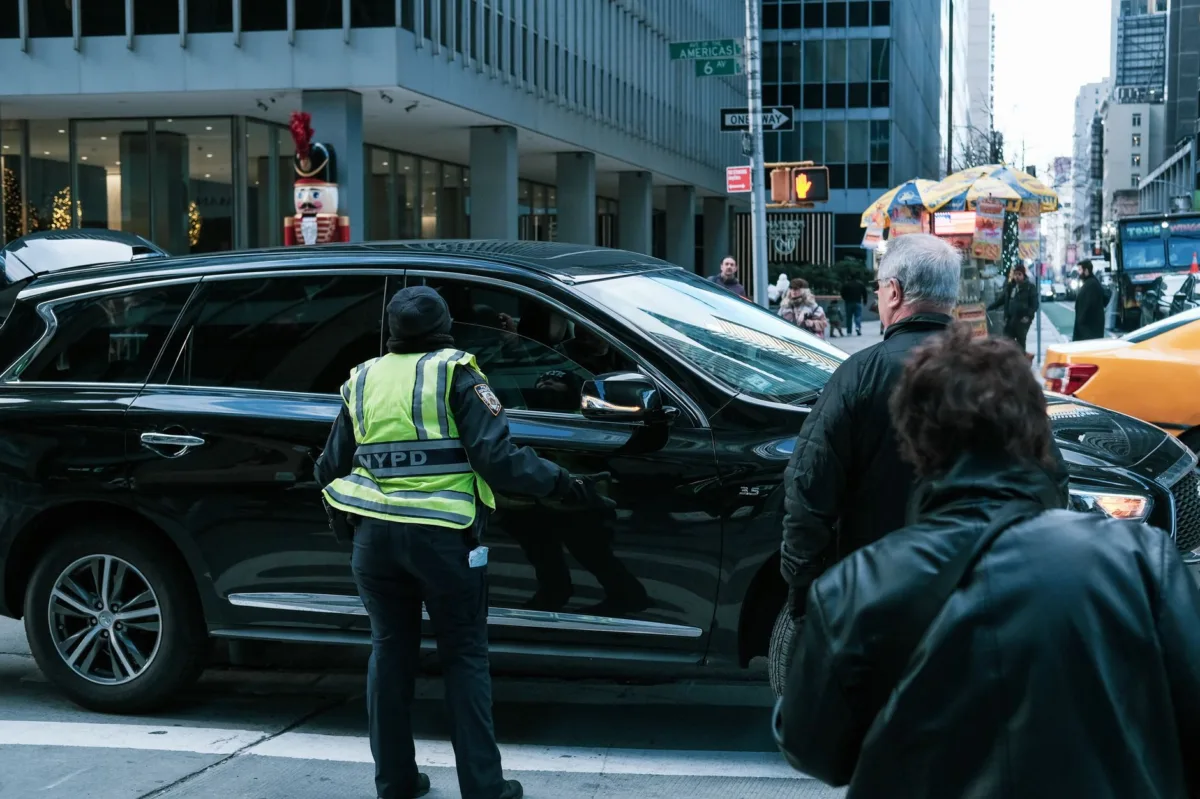
New York City Police Commissioner Jessica Tisch warned City Council members this week that the NYPD faces an extraordinary operational burden this summer, driven by a convergence of major international events and local celebrations. Testifying during a four-hour budget hearing, Tisch outlined the logistical challenges of managing the World Cup, the NBA Finals, a major sailing regatta, and the nation’s 250th birthday festivities, all while navigating a $20 million budget shortfall.
Contextualizing the Operational Load
The upcoming summer season is set to test the department’s capacity to maintain public safety across all five boroughs. Mayor Zohran Mamdani’s administration has planned a series of expansive, free-to-attend fan zones for World Cup matches, a strategy that has created behind-the-scenes friction between City Hall and police leadership regarding resource allocation. Commissioner Tisch emphasized that while the department aims to support these civic events, the sheer volume of gatherings requires a delicate balance of limited personnel and heightened security protocols.
Security Strategy and Resource Allocation
The security plan for the summer is multifaceted, focusing on both large-scale crowd management and specialized anti-terror measures. The NYPD plans to screen approximately 15,000 rail passengers and hundreds of buses arriving from New Jersey to secure movement to and from MetLife Stadium. Beyond traditional crowd control, Tisch highlighted the critical necessity of preventing vehicle-ramming attacks, noting that the department is prioritizing physical barriers and tactical positioning around public watch parties to protect attendees from both intentional and accidental vehicular threats.
Fiscal Realities of Public Safety
The financial toll of these operations is projected to reach $92 million in overtime costs. While $70 million is currently covered by existing city budgets and federal support, the remaining $20 million represents a significant gap for a city already under fiscal pressure. To meet these demands, the department has implemented mandatory 12-hour shifts for officers, a measure that Commissioner Tisch hinted might need to be extended beyond the currently scheduled July 1 through July 7 window.
Industry and Policy Implications
The tension between the Mayor’s desire for robust public celebrations and the NYPD’s operational constraints signals a broader challenge for New York City’s governance. As the city continues to balance the need for public engagement with the realities of modern security threats, the reliance on mandatory overtime suggests that current staffing levels may be insufficient for a major event-heavy calendar. Looking ahead, stakeholders will be watching how the city manages the potential for worker burnout and whether the requested $20 million shortfall will necessitate further budget adjustments or a reduction in the scope of planned public events.