






Escalating Tensions Shake Global Energy Markets
Crude oil prices surged on international exchanges this week as a sharp escalation in Middle East hostilities halted peace negotiations and threatened global energy supplies. The regional instability, marked by reported attacks on Kuwait and Bahrain, has prompted a swift reaction from global markets, ending weeks of relative calm and optimism.
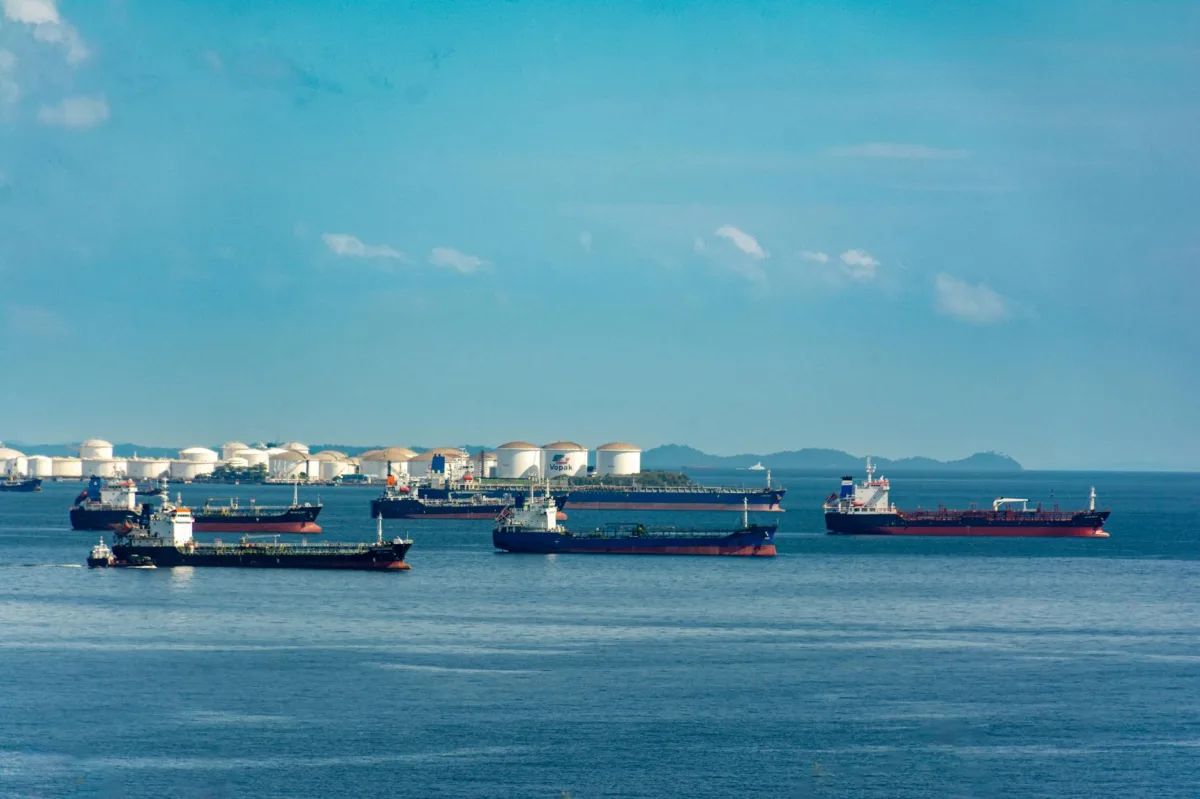
The current volatility stems from the ongoing blockade of the Strait of Hormuz, a critical maritime chokepoint that has now been restricted for four consecutive months. As the primary artery for global oil transit, the blockade has effectively squeezed supply chains, forcing energy traders to recalibrate expectations for the remainder of the quarter.
The Context of the Hormuz Blockade
The Strait of Hormuz facilitates the passage of approximately 20% of the world‘s total petroleum consumption. Since the onset of the blockade four months ago, the international community has struggled to maintain stable shipping routes, leading to a consistent tightening of global inventories.
Recent reports of direct attacks on infrastructure in Kuwait and Bahrain have exacerbated the situation. These events have moved the conflict from a localized diplomatic dispute to a broader regional crisis, effectively stalling any immediate prospects for a negotiated peace deal between the involved nations.
Market Reaction and Economic Impact
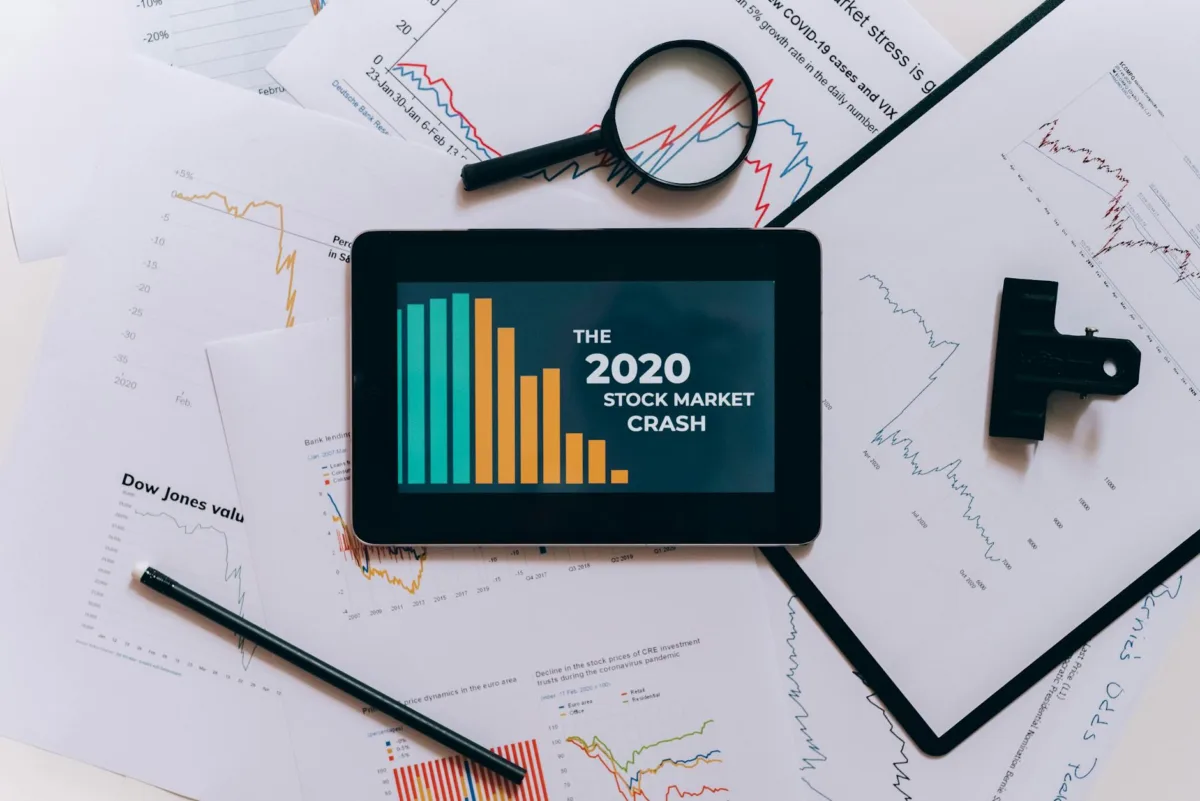
Wall Street felt the immediate brunt of these geopolitical developments as the S&P 500 snapped a nine-day winning streak on Tuesday. Investors, retreating from risk-on assets, have shifted capital toward safe-haven commodities and government bonds.
Financial analysts note that the correlation between Middle East stability and equity performance remains at its highest point this year. According to data from recent market sessions, the sudden spike in oil futures has pressured sectors heavily dependent on fuel costs, including airlines, logistics, and manufacturing.
Expert Perspectives on Supply Chain Vulnerability
Energy economists warn that the market is currently pricing in a “geopolitical risk premium” that shows few signs of abating. The inability to move tankers through the Strait of Hormuz has forced suppliers to look for alternate, albeit significantly more expensive, land-based routes.
“The market is reacting not just to current supply shortages, but to the unpredictability of the next thirty days,” said a lead energy analyst at a major commodities firm. “When peace talks collapse in such a volatile region, the immediate response is a flight to liquidity and a spike in energy-linked hedging.”
Implications for the Global Economy
For the average consumer, the sustained rise in oil prices suggests a looming increase in retail fuel costs and transportation surcharges. Industry experts anticipate that if the blockade continues through the next quarter, manufacturers may be forced to pass these increased operational costs onto the consumer, potentially fueling inflationary pressures.
Looking ahead, market observers are closely monitoring potential diplomatic intervention from international coalitions. The key indicators to watch in the coming week include the status of maritime security patrols in the Persian Gulf and any signs of a resumption in de-escalation talks. Should the conflict broaden further, analysts suggest that central banks may need to reassess their interest rate trajectories to account for the supply-side shock to the global economy.