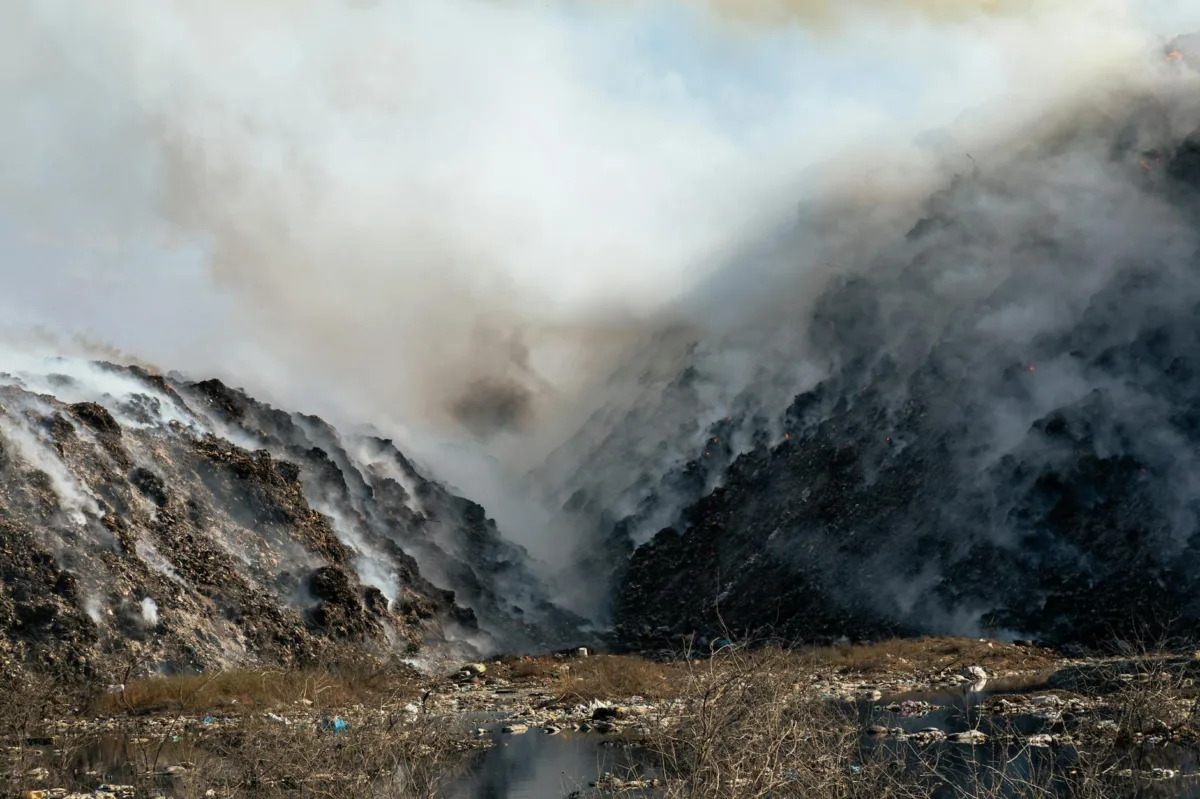










Authorities in Delhi have arrested the owner of a hotel in Malviya Nagar following a devastating fire that resulted in 21 fatalities and left numerous others critically injured. The arrest, confirmed by local police officials this week, follows preliminary investigations that uncovered systemic failures to adhere to municipal fire safety regulations.
A Pattern of Negligence
The tragedy in Malviya Nagar is the latest in a series of high-profile fire incidents that have plagued India’s capital. Reports from investigators indicate that the hotel was operating in direct violation of established building codes, including the absence of functional emergency exits and inadequate fire suppression equipment.
Court documents reveal that the facility had repeatedly ignored official notices concerning safety compliance. This pattern of administrative oversight has sparked intense public scrutiny regarding the enforcement of building safety laws in densely populated urban zones.
The Human Toll
The human impact of the fire has been profound, with 13 foreign nationals among the 15 victims currently receiving emergency medical care. Hospital officials have confirmed that six patients remain on ventilator support as doctors work to treat severe smoke inhalation and burn-related injuries.
The incident has highlighted the vulnerability of budget-friendly tourist accommodations that often bypass stringent safety inspections. Experts note that when small-scale hospitality businesses operate outside the regulatory framework, the risk of catastrophic loss during fire events increases exponentially.
Systemic Challenges and Judicial Action
The hotel owner has been remanded to four days of police custody as investigators gather evidence for potential charges of criminal negligence. However, legal analysts point to a recurring cycle in Delhi’s fire tragedies: swift arrests followed by protracted judicial proceedings that rarely result in long-term systemic reform.
Data from recent case studies suggest that while initial charges are often significant, the lack of consistent follow-through in the legal system allows many owners to secure bail and continue operations elsewhere. This phenomenon has fueled demands from urban planners for more robust, automated inspection protocols that remove human discretion from the approval process.
Industry Implications
For the hospitality industry, the Malviya Nagar fire serves as a stark reminder of the financial and legal risks associated with non-compliance. Insurance providers are expected to tighten their underwriting requirements for small hotels, potentially leading to higher premiums and mandatory third-party safety audits.
Moving forward, stakeholders are watching to see if the Delhi government will implement stricter enforcement mechanisms for building permits. Analysts suggest that future trends will likely include the integration of IoT-based smoke detection systems linked directly to local fire stations, as well as a more aggressive push to shutter facilities that fail to provide proof of fire safety compliance.