






Forensic Precision in the Twisha Sharma Investigation
The Central Bureau of Investigation (CBI) has intensified its probe into the death of Twisha Sharma in Bhopal, utilizing advanced scientific techniques to reconstruct the crime scene. This week, federal investigators employed a dummy and a physical noose to simulate the circumstances surrounding the incident, aiming to determine whether the death was a result of foul play related to dowry allegations. The move follows a directive from judicial authorities as the agency seeks to verify testimonies provided by the accused.
Background of the Legal Proceedings
Twisha Sharma’s death has sparked significant public interest and legal scrutiny, leading to the arrest of Samarth and Giribala Singh. A Bhopal court recently remanded the duo to 14-day judicial custody following a high-tension hearing that reportedly neared a physical altercation between legal representatives. The case, which involves serious allegations of dowry-related harassment, has been transferred to the CBI to ensure an impartial investigation into the events leading up to the tragedy.
Methodology of Scene Recreation
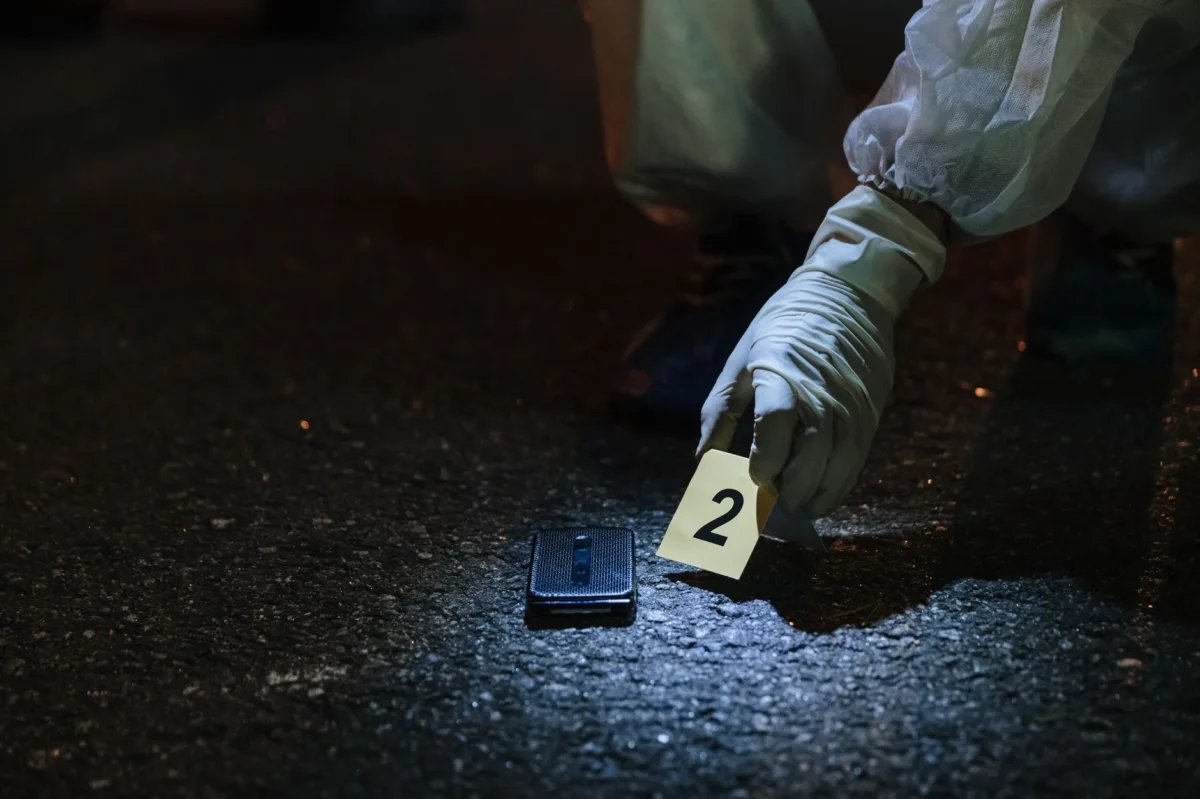
Forensic experts and CBI investigators conducted a meticulous walkthrough of the residence where Sharma was found. By using a dummy of similar height and weight to the victim, investigators attempted to assess the physics of the scene and the potential for a self-inflicted act versus external interference. This process, known as crime scene reconstruction, is designed to provide empirical data to corroborate or contradict the statements provided by the suspects during initial interrogations.
Expert Perspectives and Judicial Oversight
Legal analysts suggest that such scientific interventions are critical in cases where direct evidence may be circumstantial. By documenting the spatial dynamics of the room and the mechanics of the ligature, the CBI aims to build a case that can withstand rigorous cross-examination in court. The court’s decision to remand the former judge and his son underscores the gravity of the charges and the judicial system’s commitment to prioritizing forensic evidence over conflicting witness accounts.
Implications for Future Investigations
The reliance on scientific recreation in the Twisha Sharma case reflects a broader shift in Indian criminal investigations toward tech-driven forensic analysis. As the CBI continues to analyze the findings from the reconstruction, the legal community is watching closely to see how this evidence will be weighted against the defense’s claims. Observers should monitor the upcoming forensic report, which is expected to be a pivotal factor during the next phase of bail hearings and trial proceedings.