







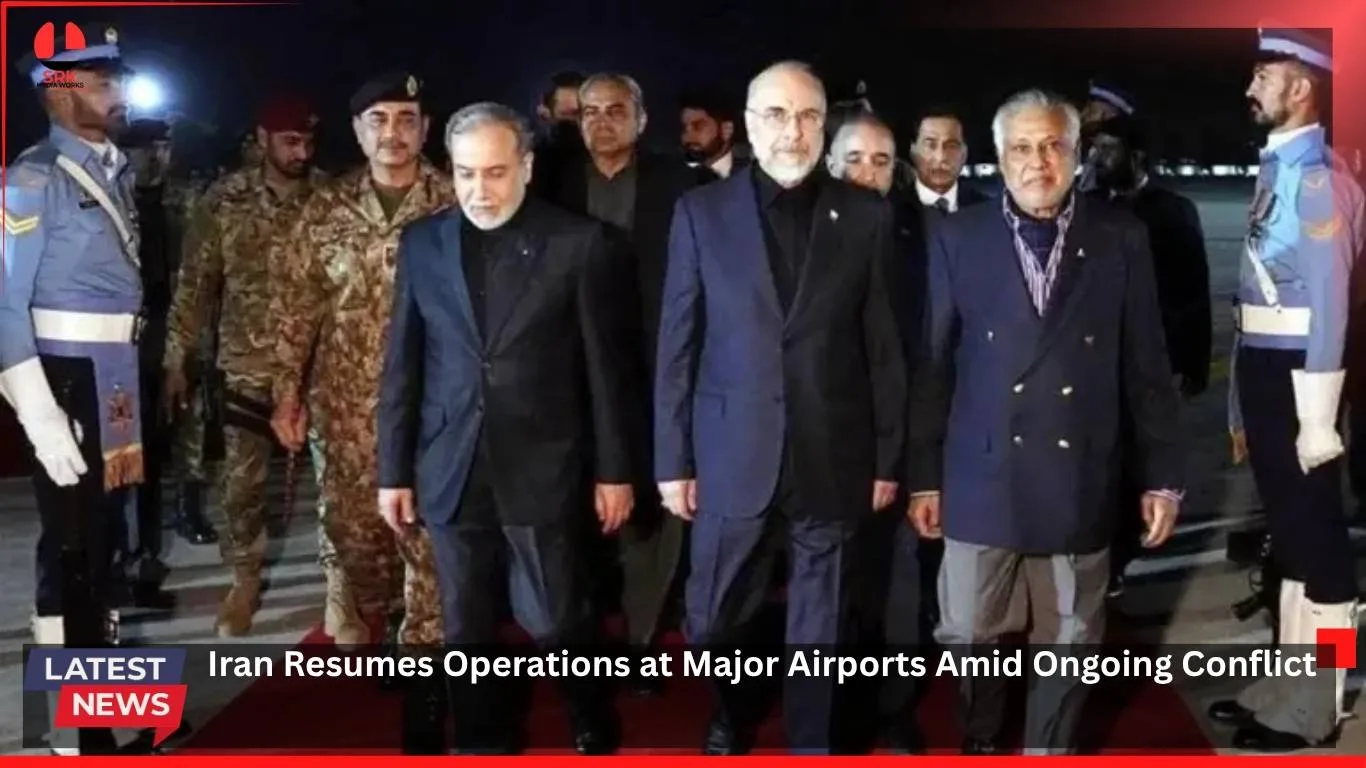
Iran has resumed operations at several major airports despite the ongoing conflict that has disrupted regional stability and global aviation. The reopening of these facilities marks a significant development in Tehran’s efforts to project resilience and maintain connectivity with international partners, even as tensions remain high. The decision is being closely watched by airlines, governments, and global markets, given the potential risks and opportunities associated with renewed air traffic in a volatile environment.
Airports Reopened
Authorities confirmed that key airports in Tehran, Isfahan, Shiraz, and Mashhad have resumed limited operations. These hubs are critical for both domestic and international travel, serving millions of passengers annually and acting as gateways for trade and tourism.
Key Highlights:
- Tehran Imam Khomeini International Airport reopened with restricted schedules.
- Isfahan and Shiraz airports resumed domestic flights.
- Mashhad airport restored partial international connectivity.
- Security measures intensified to safeguard passengers and infrastructure.
Strategic Importance
Iran’s airports are not just transportation hubs; they are strategic assets that connect the country to global markets and diplomatic channels. Their reopening signals Tehran’s determination to maintain normalcy and counter perceptions of isolation.
| Airport | Role | Current Status | Strategic Value |
|---|---|---|---|
| Tehran Imam Khomeini | International hub | Limited operations | Global connectivity |
| Isfahan | Domestic hub | Domestic flights resumed | Regional trade |
| Shiraz | Tourism gateway | Domestic flights active | Cultural diplomacy |
| Mashhad | Religious tourism hub | Partial international flights | Religious and economic significance |
Pivot Analysis of Aviation Resumption
| Factor | Government Position | Airline Position | Market Impact |
|---|---|---|---|
| Security | Enhanced measures | Concern over risks | Insurance costs rise |
| Connectivity | Essential for economy | Limited schedules | Gradual recovery |
| Diplomacy | Signal of resilience | Mixed reactions | Global monitoring |
| Trade | Boost to exports | Logistics challenges | Stabilization possible |
Security Measures
The reopening comes with heightened security protocols. Authorities have deployed additional personnel, installed advanced surveillance systems, and restricted access to sensitive areas. Airlines are required to comply with strict guidelines to ensure passenger safety.
Security Highlights:
- Increased military presence at airports.
- Advanced screening technologies deployed.
- Restricted airspace zones enforced.
- Emergency response teams on standby.
Economic Implications
The resumption of airport operations could provide a much-needed boost to Iran’s struggling economy. Aviation supports trade, tourism, and employment, all of which have been hit hard by sanctions and conflict.
| Sector | Impact of Reopening | Long-Term Potential |
|---|---|---|
| Trade | Improved logistics | Gradual recovery |
| Tourism | Limited revival | Dependent on stability |
| Employment | Jobs restored | Sustained growth possible |
| Airlines | Revenue streams reopen | Risk management crucial |
Diplomatic Dimensions
Iran’s decision to reopen airports also carries diplomatic significance. It signals to the international community that Tehran remains open to engagement despite conflict. Neighboring countries and global powers are assessing the move as part of broader geopolitical calculations.
Diplomatic Highlights:
- Message of resilience to allies and adversaries.
- Potential for renewed negotiations on aviation safety.
- Opportunity for regional cooperation on air traffic management.
- Risk of heightened scrutiny from Western powers.
Historical Context
Iran’s aviation sector has faced repeated disruptions due to sanctions, conflicts, and accidents. The current reopening echoes past efforts to maintain connectivity under pressure, reflecting the country’s reliance on air travel for economic and diplomatic survival.
Possible Outcomes
- Stabilization: Airports operate smoothly, boosting economy and diplomacy.
- Escalation: Renewed conflict disrupts operations, leading to closures.
- Partial Recovery: Limited flights continue, with gradual expansion.
- International Engagement: Reopening sparks dialogue on aviation cooperation.
Conclusion
Iran’s resumption of operations at major airports amid ongoing conflict highlights both resilience and risk. While the move offers economic and diplomatic opportunities, it also raises concerns about security and stability. The coming weeks will determine whether Tehran can sustain this reopening or whether renewed tensions will force another shutdown.
Disclaimer
This article is an analytical overview of Iran’s decision to resume airport operations during ongoing conflict. It is based on current developments and historical context, and does not represent official government positions. Readers should follow authoritative updates for the latest information on aviation and regional security.