








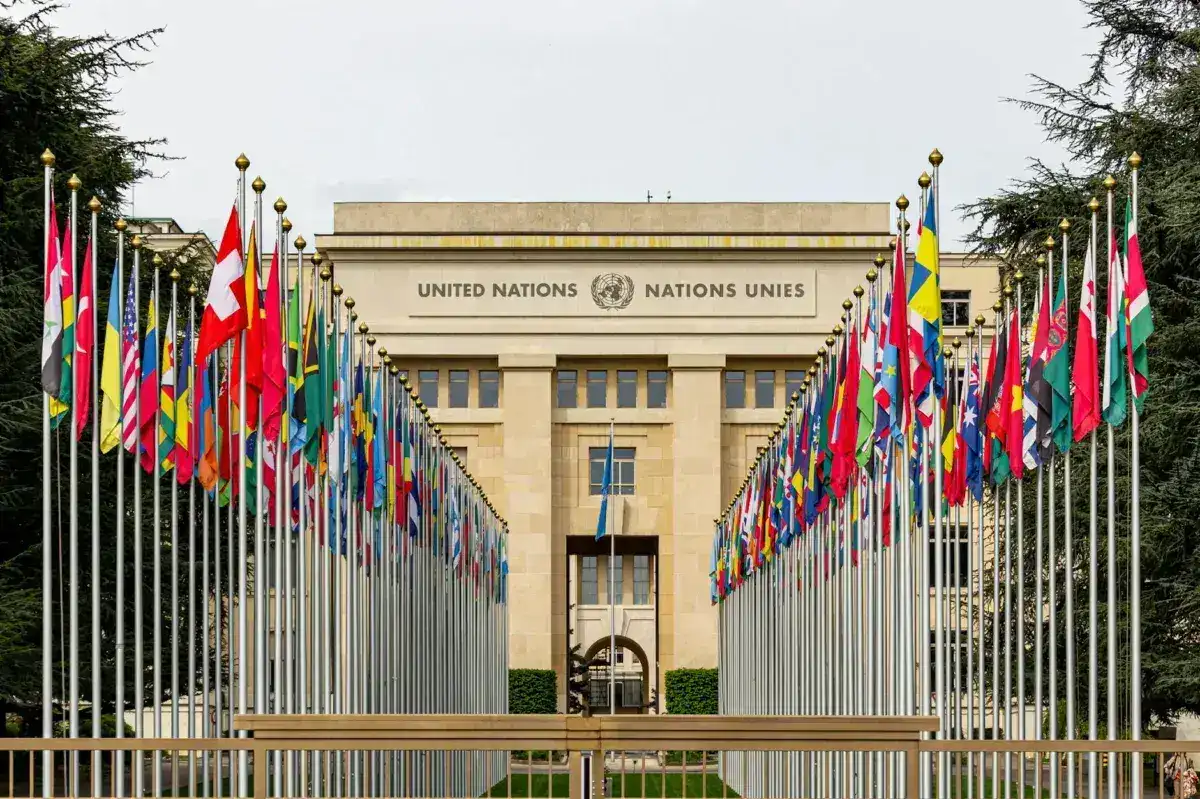
A Diplomatic Setback at the United Nations
Germany suffered a significant diplomatic blow this week as the nation failed to secure a non-permanent seat on the United Nations Security Council for the 2027-2028 term, marking a rare and stinging defeat for the country’s international standing. The vote, conducted at the UN headquarters in New York, saw Germany lose out to smaller European counterparts, sparking intense debate among political analysts and government officials regarding the underlying reasons for the loss.
Context of the Council Selection
Membership in the UN Security Council is highly coveted, as it grants nations a platform to influence global peace and security policy, including the power to participate in binding resolutions. Historically, Germany has maintained a strong presence in international forums, often leveraging its economic influence to secure support for its diplomatic ambitions. This defeat is particularly notable because it represents the first time in recent memory that Germany has been sidelined in such a high-profile election for a rotating seat.
Geopolitical Tensions and Voting Dynamics
Analysts are divided on why Berlin failed to capture the necessary support from the General Assembly. Official government spokespersons have pointed toward the influence of Russia, suggesting that Moscow’s lobbying efforts played a pivotal role in undermining Germany’s candidacy. This narrative frames the loss as a consequence of the ongoing geopolitical friction stemming from the war in Ukraine and the subsequent breakdown in diplomatic relations between Berlin and the Kremlin.
However, other observers suggest that Germany’s foreign policy regarding the Middle East may have been a deciding factor. Specifically, some diplomatic experts point to Germany’s unwavering, vocal support for Israel amidst the ongoing conflict in Gaza as a point of contention for many Global South nations. This stance, while aligned with traditional Western alliances, appears to have alienated a significant bloc of countries that have grown increasingly critical of Israel’s military campaign.
Domestic Criticism and Political Fallout
The failure has triggered immediate domestic consequences, with opposition leaders, including figures from the Christian Democratic Union (CDU), labeling the outcome an embarrassment. Critics of the current administration argue that the loss reflects a broader decline in Germany’s diplomatic finesse and an inability to build consensus beyond its immediate European circle. The pressure is mounting on the foreign ministry to conduct a thorough review of its international outreach strategies.
Broader Implications for Global Diplomacy
This result signals a potential shift in how UN member states prioritize their votes, moving away from traditional power-broking toward more ideological or regional alignments. For the international community, the defeat highlights the increasing difficulty for Western nations to command automatic support in the General Assembly. As the UN continues to grapple with deep-seated divisions over conflicts in Ukraine and the Middle East, the ability to maintain a broad coalition of support remains a critical challenge for any candidate seeking a seat at the council table.
Observers will be closely watching how Germany recalibrates its diplomatic approach in the coming months to regain its footing on the global stage. Future UN elections will serve as a bellwether for whether this defeat was an isolated incident or the beginning of a long-term erosion of German influence within the United Nations framework.