








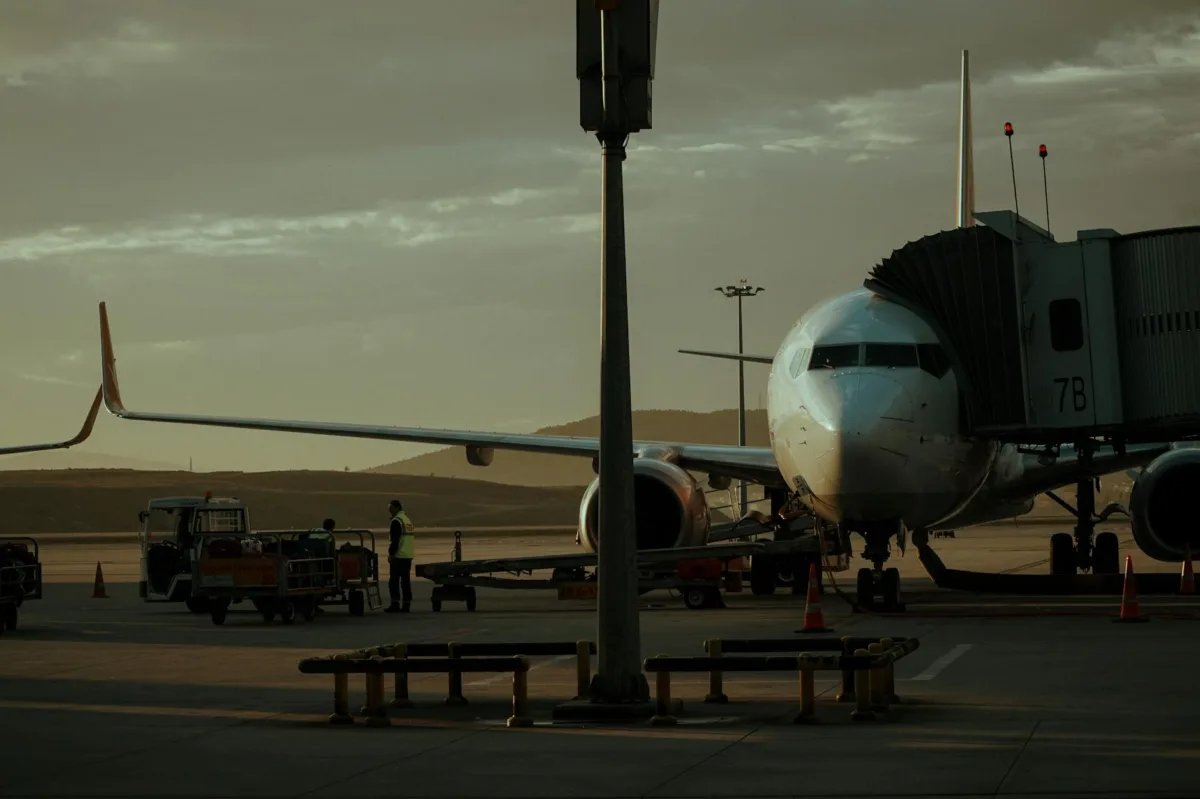
A series of coordinated attacks targeting Kuwait International Airport this week has significantly escalated the ongoing geopolitical standoff between Tehran and the Trump administration. The strike, marking the third such incident in the Gulf nation within seven days, signals a strategic shift by Iranian-backed forces toward critical civilian infrastructure, heightening fears of a broader conflict in the volatile Strait of Hormuz.
The Escalation of Regional Hostilities
The recent aerial incursions represent a departure from previous patterns of maritime harassment. By targeting a major transportation hub in Kuwait, the attackers have effectively moved the theater of conflict from open waters to sensitive, high-profile terrestrial sites.
Intelligence reports suggest these strikes are intended to exert maximum pressure on Washington’s regional policy. Analysts note that these maneuvers are designed to test the resilience of U.S. security guarantees to Gulf allies while simultaneously demonstrating the reach of Iranian-aligned proxy networks.
Context of the Strait of Hormuz Standoff
The Strait of Hormuz remains the world’s most important oil chokepoint, with approximately one-fifth of the global oil supply passing through its narrow waters daily. Tensions have simmered since the United States withdrew from the 2015 nuclear deal and reimposed stringent economic sanctions on Iran.
Tehran has consistently maintained that its regional military activities are defensive in nature, meant to deter what it describes as Western-led economic warfare. Conversely, the Trump administration has categorized these actions as state-sponsored terrorism aimed at destabilizing global energy markets and intimidating neighboring sovereign states.
Expert Perspectives on Strategic Intent
Military analysts observing the situation indicate that the selection of Kuwait as a target is calculated. “Attacking a neutral, stable partner like Kuwait forces the United States to consider a more robust military footprint in the region,” says Dr. Elena Vance, a senior fellow at the Center for Middle East Security.
Data from recent maritime security assessments shows a 40% increase in drone and missile activity across the Gulf since the beginning of the quarter. This uptick suggests a shift in tactical doctrine, moving away from traditional naval skirmishes toward precision strikes on logistical infrastructure.
Implications for Global Energy and Defense
For the global energy sector, the instability introduces an immediate risk premium on oil futures. Traders are closely monitoring the situation, as any further disruption to infrastructure in the Gulf could lead to significant supply chain bottlenecks and price volatility.
For the defense industry, these developments necessitate a rapid upgrade of regional air defense systems. The reliance on Patriot missile batteries and advanced radar arrays is expected to increase as Gulf nations seek to harden their borders against low-altitude, high-frequency drone threats.
Looking ahead, international observers are watching for the diplomatic response from the United Nations Security Council. The coming weeks will likely determine whether the situation remains a contained series of provocations or spirals into a direct confrontation. Future developments will likely hinge on the effectiveness of localized defense networks and the degree to which regional powers can maintain neutrality amidst the escalating pressure from both Tehran and Washington.