






The Escalation of Regional Hostilities
Military tensions in the Middle East reached a critical inflection point this week as Iranian forces launched a series of missile and drone strikes targeting U.S. military installations in Kuwait and Bahrain, triggering an immediate and kinetic response from American air defense systems. The sudden outbreak of hostilities, confirmed by reports from multiple international outlets including Bloomberg and DW, marks a significant departure from the fragile ceasefire that had previously governed relations between the two nations.
The exchange of fire began early Tuesday, prompted by what Tehran described as a strategic necessity following the collapse of diplomatic negotiations regarding regional security. In response to the incoming projectiles, U.S. Patriot missile batteries stationed in Kuwait were deployed to intercept the barrage, creating a high-stakes air defense battle over the Gulf state. Simultaneously, the United States military initiated retaliatory strikes against Iranian positions located on the Qeshm Islands, effectively widening the geographic scope of the conflict.
Contextualizing the Breakdown of Diplomacy
For months, international mediators had worked to stabilize the region, aiming to prevent a direct military confrontation between Washington and Tehran. However, the recent stalemate in nuclear and regional security talks left a power vacuum that both sides have increasingly sought to fill with displays of military force.
The Qeshm Islands, a strategic point of interest in the Strait of Hormuz, have long been a flashpoint for maritime and aerial surveillance. Analysts suggest that the U.S. decision to strike these specific targets was intended to disrupt Iranian launch capabilities and signal a hardening of the American stance on regional containment.
Tactical Analysis and Military Impact
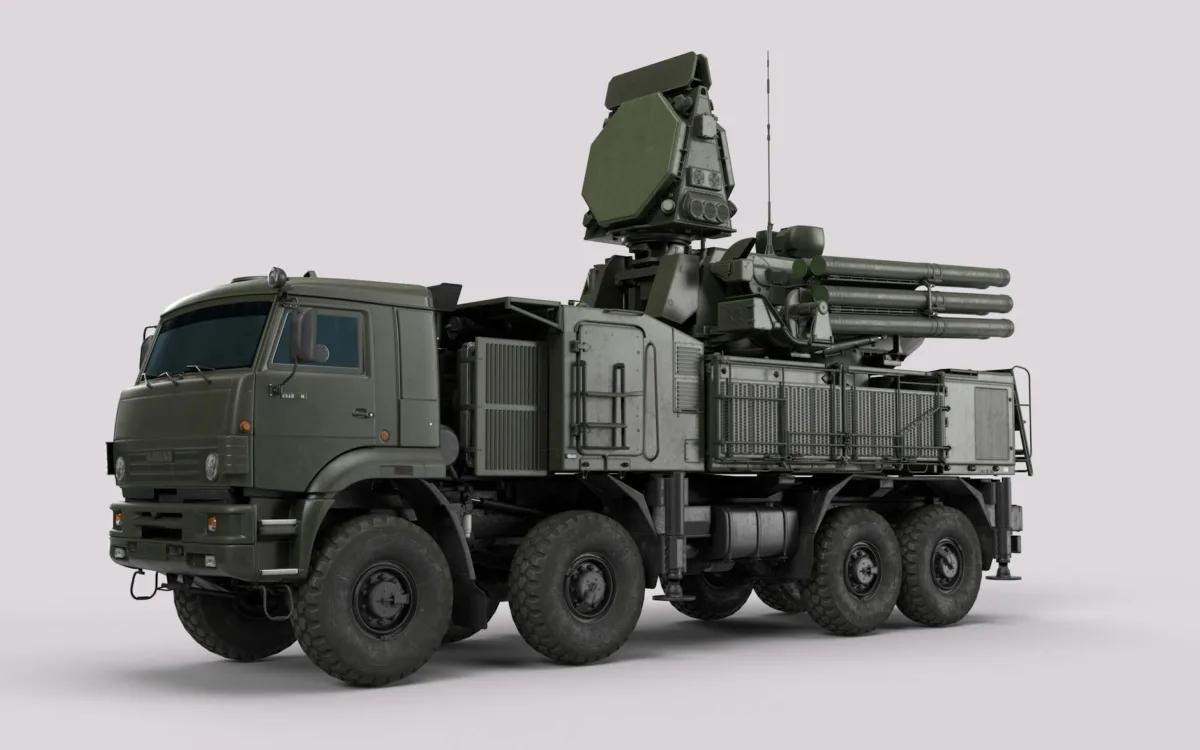
The use of advanced Patriot missile systems highlights the sophistication of the air defense architecture currently protecting U.S. assets in the Gulf. Military observers note that the success of these interceptions will be crucial in determining the viability of maintaining long-term troop deployments in the region.
According to data from security think tanks, the integration of drone swarms alongside conventional ballistic missiles represents a shift in Iranian tactical doctrine, designed to overwhelm traditional defense layers. This hybrid approach poses significant challenges for U.S. commanders who must now balance defensive interceptor costs against the frequency of incoming asymmetric threats.
Broader Implications for Global Stability
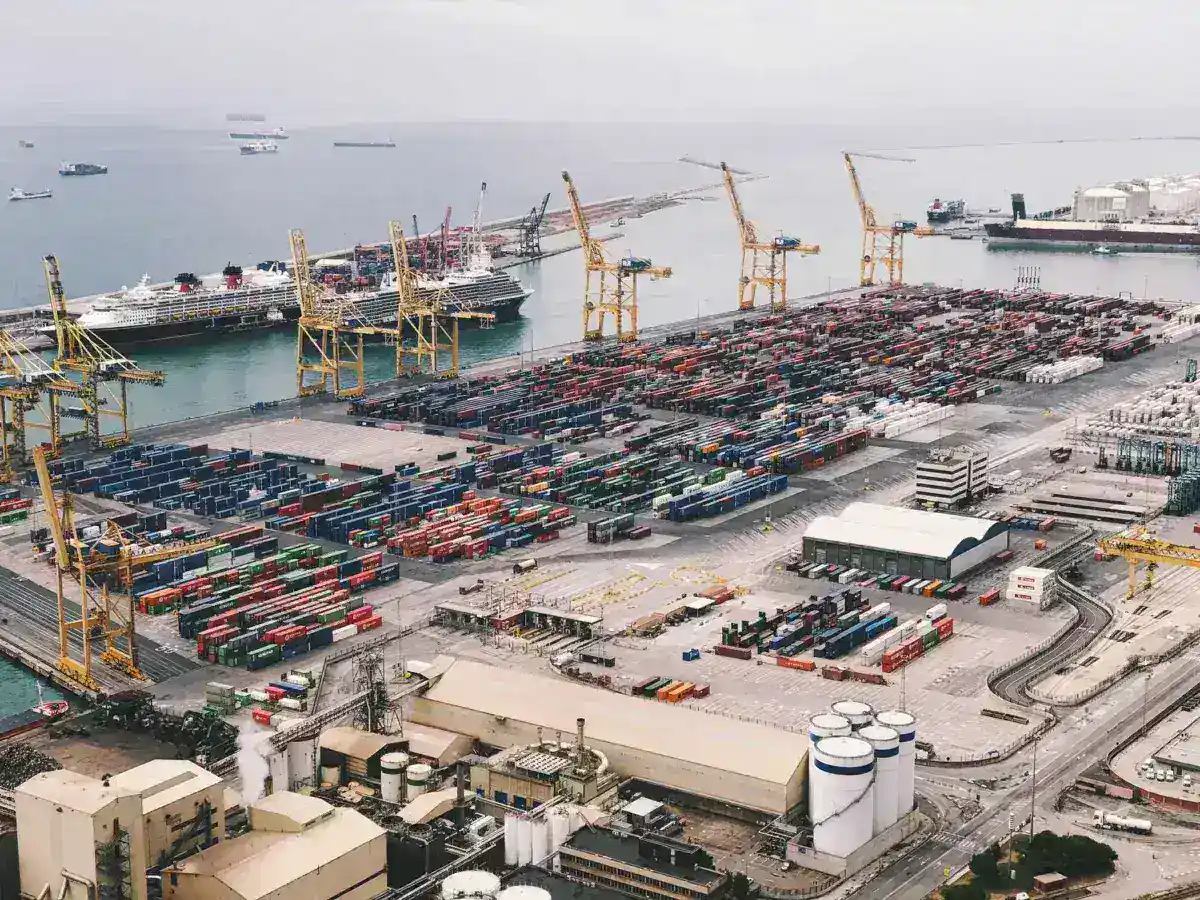
The sudden resumption of active warfare carries profound consequences for global energy markets and regional security alliances. As the Strait of Hormuz remains a critical artery for international oil supply, any sustained military activity in the vicinity threatens to drive up fuel prices and disrupt global shipping lanes.
For regional stakeholders in the Gulf Cooperation Council, the current volatility underscores the fragility of existing security arrangements. Many nations are now reevaluating their reliance on U.S. protection versus the necessity of seeking independent diplomatic channels with Tehran to mitigate the risk of collateral damage.
Looking forward, market analysts and geopolitical experts are closely monitoring the potential for further escalation. The primary concern remains whether this exchange will remain a limited military engagement or if it will catalyze a broader regional conflict. Observers should watch for any movement toward de-escalation via back-channel communications or, conversely, signs of mobilization in neighboring territories that could indicate a more prolonged and widespread confrontation.