







Strategic Funding for Coal Facilities
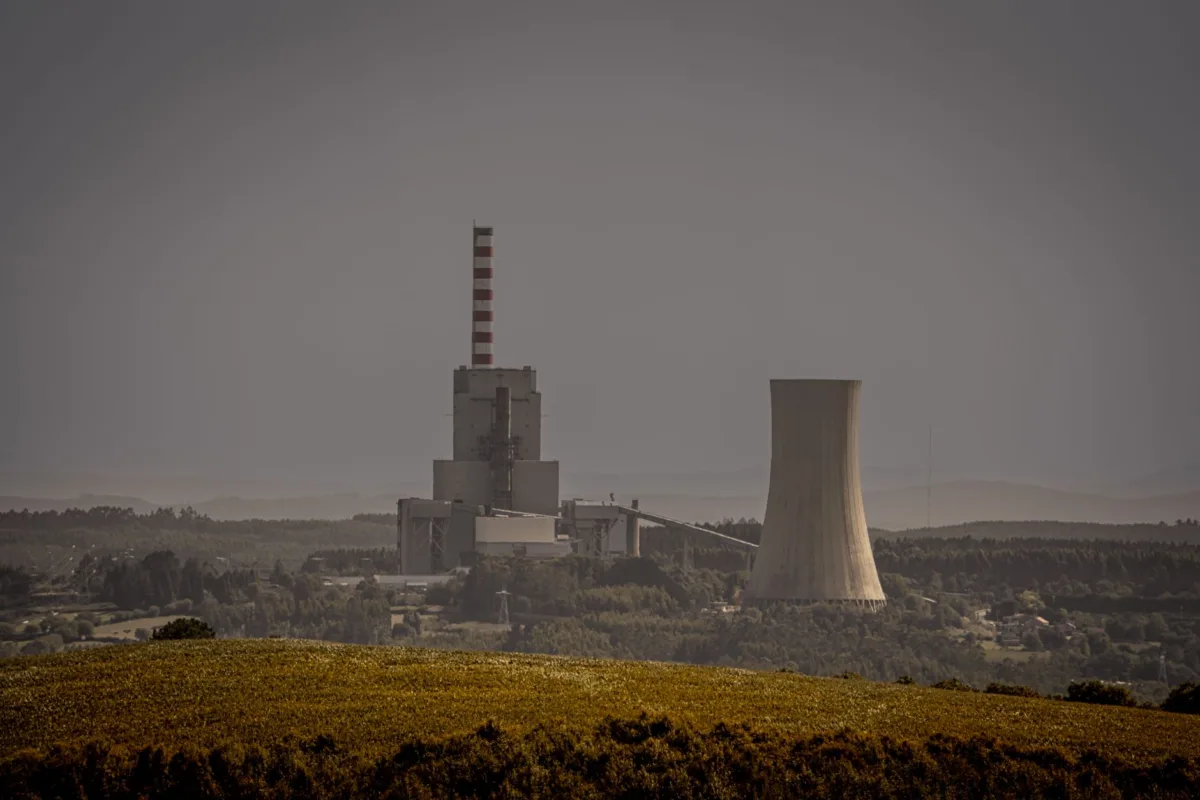
The Trump administration has unveiled a comprehensive $700 million federal funding initiative aimed at stabilizing and modernizing United States coal power plants and associated energy infrastructure. This capital injection, announced this week, targets the preservation of coal-fired facilities while simultaneously funding the development of new export sites to facilitate the international sale of American coal resources.
The move represents a significant push to support domestic energy independence and provide economic relief to coal-dependent regions. By prioritizing both operational maintenance and export capacity, the administration seeks to address the long-term decline in coal demand that has historically plagued the domestic energy sector.
Contextualizing the Coal Industry Downturn
Over the past decade, the U.S. coal industry has faced intense pressure from the proliferation of natural gas and the rapid expansion of renewable energy sources. Market data from the Energy Information Administration (EIA) indicates that the share of electricity generated by coal has plummeted, leading to widespread plant closures and regional economic instability in states like West Virginia, Wyoming, and Pennsylvania.
The administration’s decision to intervene follows years of advocacy from industry leaders who argue that coal remains a vital component of the nation’s baseload power reliability. Proponents of the policy suggest that federal funding is necessary to prevent grid vulnerabilities that could arise from an over-reliance on intermittent energy sources.
Analyzing the Economic and Operational Scope
The $700 million allocation is designed to serve two primary functions: upgrading existing thermal power facilities to meet modern efficiency standards and building out logistics infrastructure for coal exports. Industry analysts suggest that the emphasis on export sites is a direct effort to capture emerging market demand in Asia and Europe, where coal consumption continues to grow despite domestic trends in the West.
Critics, however, point to the high capital cost of retrofitting aging coal plants, noting that many facilities are nearing the end of their operational lifespans. Environmental policy experts argue that such investments may struggle to yield long-term returns in a global market that is increasingly shifting toward decarbonization and strict carbon-emission regulations.
Expert Perspectives on Energy Security
Energy economists remain divided on the efficacy of the proposal. Some argue that the funding provides a crucial lifeline for communities that rely on coal mining for their economic survival. “This is essentially an investment in human capital and regional stability,” noted one energy analyst, highlighting the potential for job retention in rural areas.
Conversely, others suggest that the funds could be more effectively deployed in grid modernization or carbon capture technology. The debate highlights a fundamental tension in U.S. energy policy: the trade-off between immediate economic support for legacy industries and the transition toward lower-emission power generation systems.
Future Implications for the Energy Sector
For the coal industry, the immediate impact will be a temporary reprieve from market pressures, allowing some facilities to continue operations that might otherwise face decommissioning. The focus on export infrastructure suggests a pivot toward international markets as the primary driver for future growth, shifting the industry’s dependency away from a shrinking domestic base.
Market observers will be watching the specific distribution criteria for these grants, as the allocation process will determine which companies and regions receive primary support. In the coming months, the industry will also monitor potential legal or regulatory challenges that could delay the rollout of these funds, as well as the reaction of international buyers to the increased availability of U.S. coal exports on the global stage.