





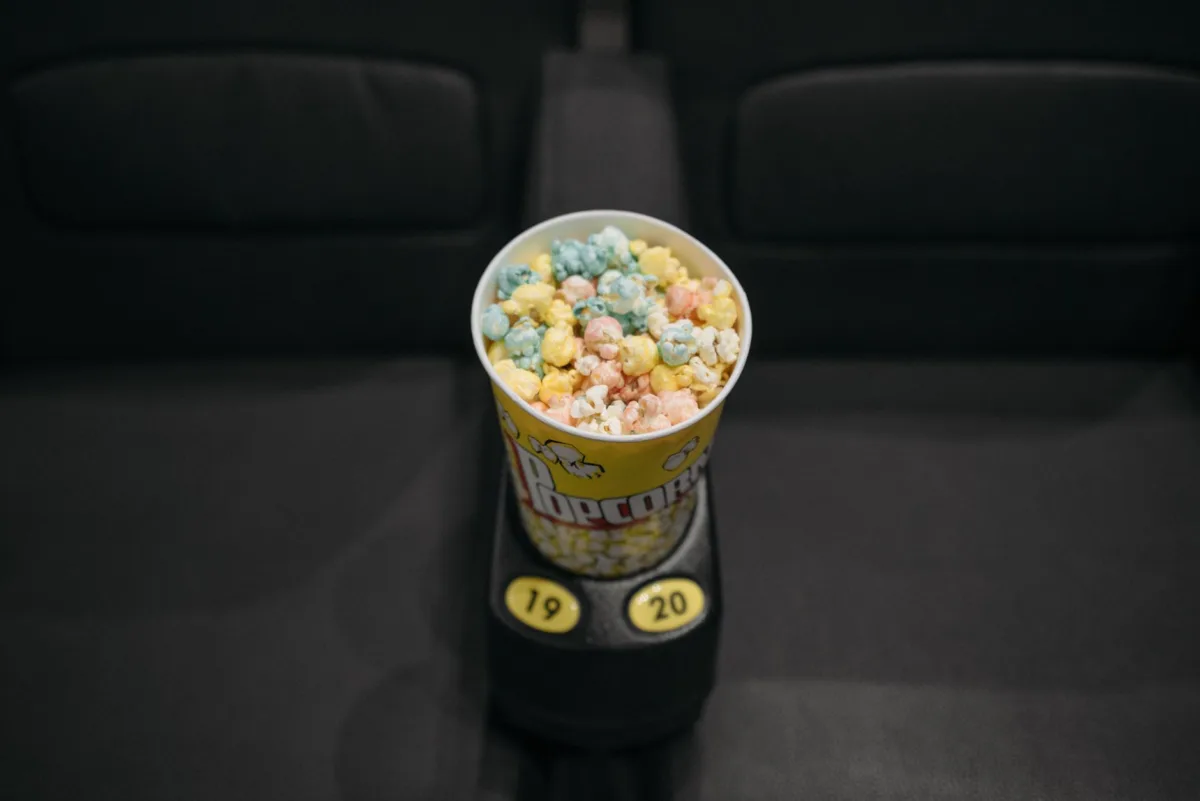
Paramount Pictures has ignited a firestorm of social media speculation this week following the reveal of a promotional popcorn bucket tied to the upcoming release of Scary Movie 6. Fans and industry analysts alike are questioning the design of the merchandise, which bears a striking resemblance to a water pipe or bong, marking the latest instance of film studios leaning into provocative, viral-ready marketing tactics.
The Context of Collectible Cinema Marketing
In recent years, the cinema industry has pivoted toward high-concept, collectible popcorn buckets as a primary driver for theatrical attendance. Following the massive success of themed vessels for films like Dune: Part Two and Deadpool & Wolverine, studios have looked for increasingly bold ways to capture the attention of younger, social-media-savvy audiences.
This trend represents a shift from simple concessions to limited-edition merchandise that functions as a status symbol. By creating items that spark viral conversations, studios effectively turn audience members into unpaid marketing agents who share images of their concessions across platforms like TikTok and Instagram.
Analyzing the Design Controversy
The design of the Scary Movie 6 bucket features a tall, cylindrical structure with a mouthpiece-like opening, leading many users to mockingly label it as a bong. While Paramount has not officially confirmed the intended function of the design, the ambiguity has served as a catalyst for widespread engagement.
Critics of the trend argue that such designs prioritize shock value over utility. However, marketing experts note that the strategy is deliberate. In an era where traditional trailers struggle to break through the noise of streaming alternatives, controversial physical merchandise provides a tangible hook for news cycles and organic social sharing.
Expert Perspectives on Viral Concessions
“We are seeing a weaponization of nostalgia and absurdity in movie marketing,” notes retail analyst Sarah Jenkins. “Studios understand that if a product is ‘memeable,’ it will receive exponentially more exposure than a standard display ad. The controversy surrounding the shape of the bucket is likely a feature, not a bug, of the campaign strategy.”
Data from recent box office performance suggests that these interactive elements do influence younger demographics. According to recent surveys, nearly 40% of moviegoers aged 18 to 25 report that collectible merchandise influences their decision to see a film in theaters rather than waiting for a streaming release.
Industry Implications and Future Trends
The success of these unconventional marketing ploys suggests that the “popcorn bucket wars” are only just beginning. As studios continue to compete for shelf space in the consumer’s mind, we can expect to see an increase in limited-edition, design-heavy merchandise that pushes the boundaries of traditional theater concessions.
Looking ahead, the primary concern for theater chains will be the logistical challenge of managing demand for these items, which often sell out within hours. Furthermore, regulators and theater owners may soon need to establish clearer guidelines regarding the appropriateness of themed merchandise as these items grow more provocative in nature. Observers should monitor whether this trend leads to a lasting increase in theatrical attendance or if audiences will eventually experience fatigue from the constant barrage of viral marketing stunts.