






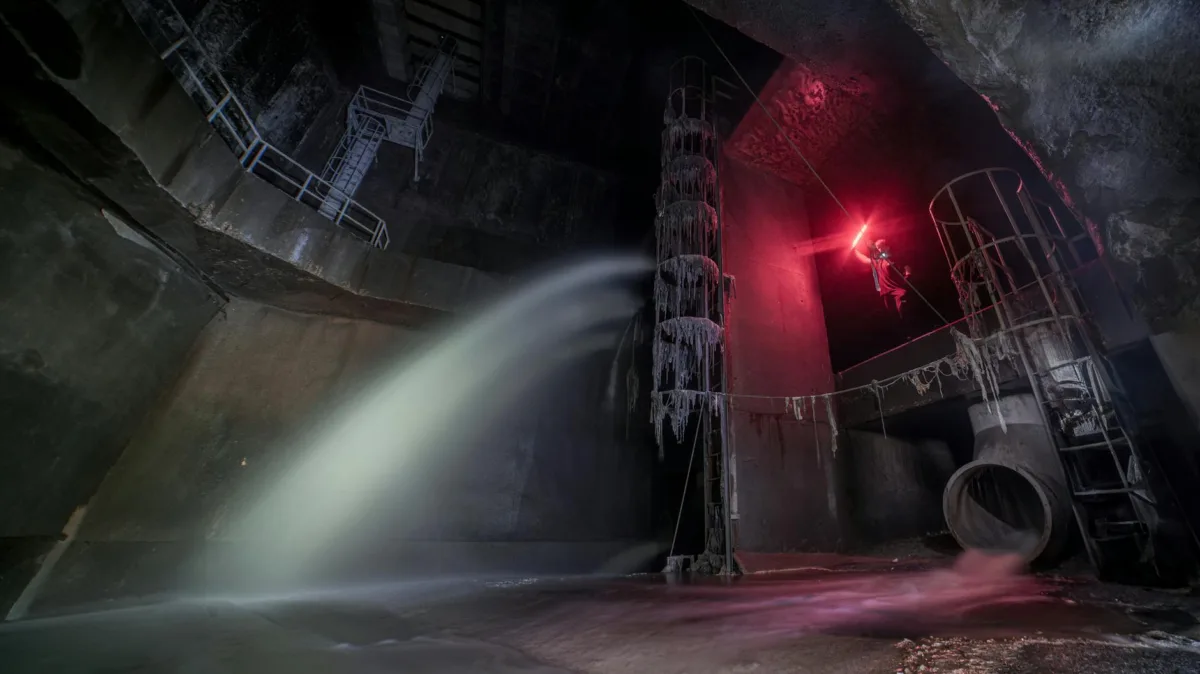
Urban explorers in New York City are increasingly venturing into the sprawling, subterranean labyrinth of the municipal sewer system, driven by a desire to document the city’s hidden infrastructure. Despite the severe legal risks and physical hazards, these explorers navigate miles of tunnels beneath the five boroughs, encountering environments defined by extreme humidity, toxic gases, and pervasive insect infestations.
The Lure of the Underground
For years, a clandestine community of explorers has sought out abandoned subway stations, steam tunnels, and sewer networks to capture the unseen history of the metropolis. These individuals often utilize social media platforms to showcase their findings, turning private, dangerous excursions into public spectacles.
Former urban explorers report that while the risk of structural collapse or flash flooding is significant, the daily reality of the sewers is far more visceral. Many point to the overwhelming presence of cockroaches as the most challenging aspect of the experience, surpassing the psychological strain of navigating dark, narrow passages or the threat of encountering vermin.
Health and Safety Realities
The New York City Department of Environmental Protection (DEP) maintains over 7,500 miles of sewer pipes, a system that serves millions but is strictly off-limits to the public. Officials emphasize that these environments contain concentrated levels of hydrogen sulfide, methane, and other hazardous gases that can cause immediate respiratory distress or unconsciousness.
Beyond atmospheric dangers, the physical landscape is inherently unstable. Slippery surfaces covered in biological waste create a high risk of injury, and the potential for rapid water level changes during rain events turns these tunnels into death traps. Experts in urban infrastructure warn that the lack of proper ventilation and the presence of human waste make these spaces a major public health concern for anyone who enters them without professional-grade personal protective equipment.
The Digital Documentation Phenomenon
The rise of high-definition camera technology and portable lighting has fueled the trend of ‘drainers,’ who prioritize documenting the aesthetic decay of urban engineering. These explorers often focus on the intricate brickwork of 19th-century infrastructure, framing the sewers as a forgotten architectural masterpiece rather than a waste management system.
However, this documentation often ignores the environmental reality of the sites. While the images appear pristine on screen, the ambient conditions typically involve extreme temperatures and a pervasive odor that clings to clothing and gear for days, according to those who have participated in the practice.
Legal and Future Implications
Law enforcement and city agencies view unauthorized entry into the sewer system as a serious security breach, especially in the post-9/11 era. Trespassers face potential arrest, hefty fines, and the logistical nightmare of city-funded rescue operations if they become trapped or injured.
As the trend continues to gain traction on short-form video platforms, authorities are likely to increase surveillance and tighten security protocols around access points. Industry observers suggest that the future of this subculture may shift toward increased digital scrutiny, with city agencies using more advanced sensors and automated monitoring to detect intruders. Whether these deterrents will stifle the curiosity of the urban exploration community or merely push them toward more clandestine entry methods remains a critical question for city planners and public safety officials.