






Medical experts and neuro-oncology specialists are scheduled to host a comprehensive webinar on June 5, aimed at educating the public and healthcare professionals about the complexities of brain tumours. The virtual event, organized to increase awareness and improve patient outcomes, will cover diagnostic breakthroughs, current treatment protocols, and the importance of early detection.
Context and Current Landscape
Brain tumours remain one of the most challenging areas of clinical oncology due to the complexity of the central nervous system. According to the World Health Organization (WHO), over 300,000 new cases of primary brain tumours are diagnosed globally each year. Despite significant advancements in surgical techniques and radiotherapy, the mortality rate for malignant brain tumours remains high, making public awareness and educational initiatives vital.
Detailed Clinical Perspectives
The upcoming session will focus on the multidisciplinary approach required for effective patient management. Speakers are expected to discuss the integration of molecular profiling in tumor classification, which has fundamentally changed how oncologists approach treatment planning.
Dr. Anjali Rao, a leading neuro-oncologist, notes that the shift toward personalized medicine is the most significant trend in the field. “By understanding the genetic makeup of a tumour, we can move away from one-size-fits-all treatments and provide targeted therapies that offer better efficacy with fewer side effects,” she stated.
The webinar will also delve into the psychological aspects of recovery. Managing a brain tumour diagnosis involves significant cognitive and emotional hurdles, and the panel will provide insights into rehabilitation strategies and post-operative support systems for patients and their families.
Data-Driven Insights
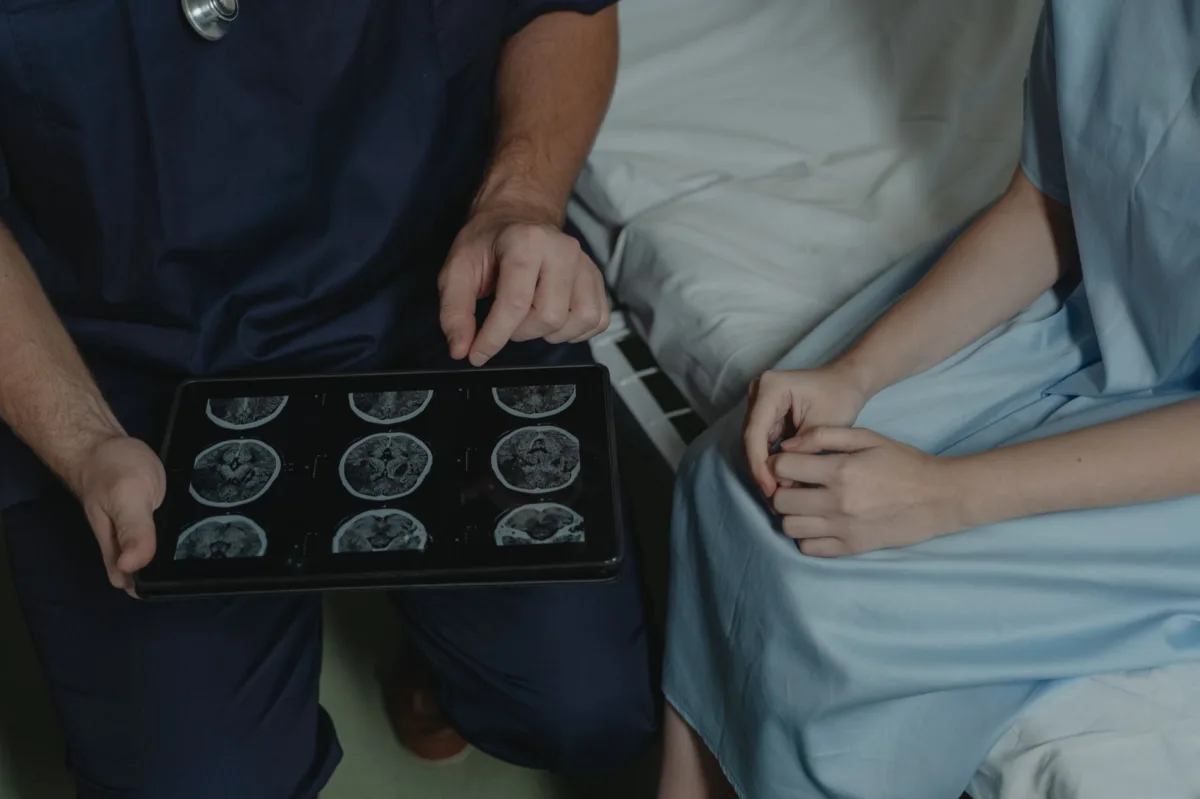
Current data indicates that early-stage intervention significantly improves survival rates for patients with benign or low-grade tumours. However, the lack of standardized screening protocols for the general population often leads to late-stage diagnoses. The panel will address these gaps, emphasizing the need for increased funding for neuro-oncology research and better access to advanced diagnostic imaging like high-tesla MRI scans.
Industry Implications
For the healthcare industry, this webinar signals a broader shift toward digital patient education. As virtual care platforms become more sophisticated, medical institutions are increasingly using webinars to bridge the communication gap between specialized research and community-level practice.
Patients and caregivers should watch for future developments in immunotherapy, which is currently the focus of several phase-three clinical trials. As these trials progress, the landscape of standard care is expected to evolve, potentially offering new hope for patients with aggressive forms of the disease. Stakeholders should monitor the outcomes of this session to understand how emerging diagnostic tools might be integrated into routine clinical practice over the next eighteen months.