








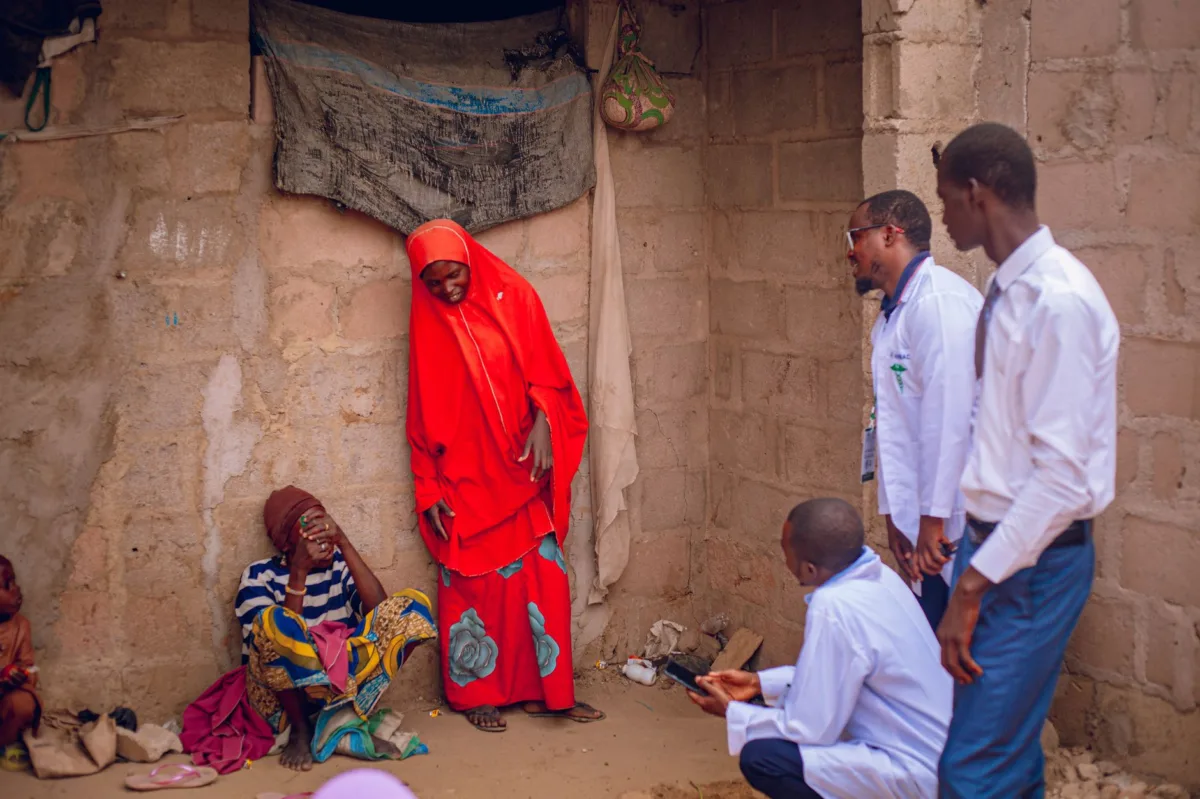
World Health Organization (WHO) Director-General Dr. Tedros Adhanom Ghebreyesus has officially called for a global reconsideration of travel restrictions imposed on the Democratic Republic of Congo (DRC) as the nation grapples with a volatile and intensifying Ebola outbreak. Speaking at a media briefing on June 3, 2026, the WHO chief emphasized that blanket travel bans often exacerbate the humanitarian crisis by hindering the movement of essential medical personnel and life-saving equipment, rather than effectively containing the virus.
Understanding the Escalating Health Crisis
The current Ebola outbreak in the Democratic Republic of Congo has entered a particularly dangerous phase, marked by both a surge in clinical cases and a rise in community-level resistance. Health authorities are struggling to gain full access to affected regions as misinformation and deep-seated local skepticism continue to complicate containment efforts.
Recent reports indicate that the situation on the ground is deteriorating, with a documented attack on an Ebola burial team highlighting the extreme danger faced by front-line responders. Such incidents not only endanger the lives of health workers but also threaten to undo weeks of progress in tracing contacts and providing critical care to the infected.
Operational Challenges and Resource Gaps
Despite significant improvements in diagnostic testing capabilities, WHO leadership maintains that international efforts remain behind the curve. The logistical hurdles of reaching remote, conflict-prone areas are compounded by a lack of infrastructure and the physical threats posed to medical teams tasked with safe and dignified burials.
The death of a local priest due to Ebola has recently ignited widespread fear and doubt within Congolese communities, revealing a critical disconnect between international health protocols and local cultural practices. This tension has created a fertile ground for rumors, forcing the WHO to pivot toward more community-led engagement strategies to rebuild public trust.
Expert Perspectives and Data Insights
Public health experts argue that the effectiveness of travel restrictions is often overstated, noting that they frequently serve as a political tool rather than a scientific safeguard. Data from previous outbreaks suggests that restricting travel can lead to the ‘shadowing’ of the virus, where individuals bypass official checkpoints, making it harder for surveillance teams to monitor the spread of the disease.
The WHO maintains that international borders should remain open to facilitate the rapid deployment of specialized clinical teams and the movement of experimental vaccines. Without a coordinated global response, the organization warns that the disease could gain a permanent foothold in areas where surveillance is already fragmented by regional instability.
Future Implications and Regional Stability
The coming weeks will be decisive as the DRC attempts to stabilize the security situation for health workers while simultaneously ramping up vaccination campaigns. Observers should monitor whether the international community adopts the WHO’s recommendation to lift travel bans, as this shift would signal a move toward more integrated, community-based response models.
The long-term outlook remains uncertain, as the success of the containment strategy now rests on the delicate balance between maintaining rigorous clinical standards and fostering genuine collaboration with local community leaders. Failure to bridge this divide could result in a prolonged epidemic that threatens not only the DRC but the broader stability of the central African region.