









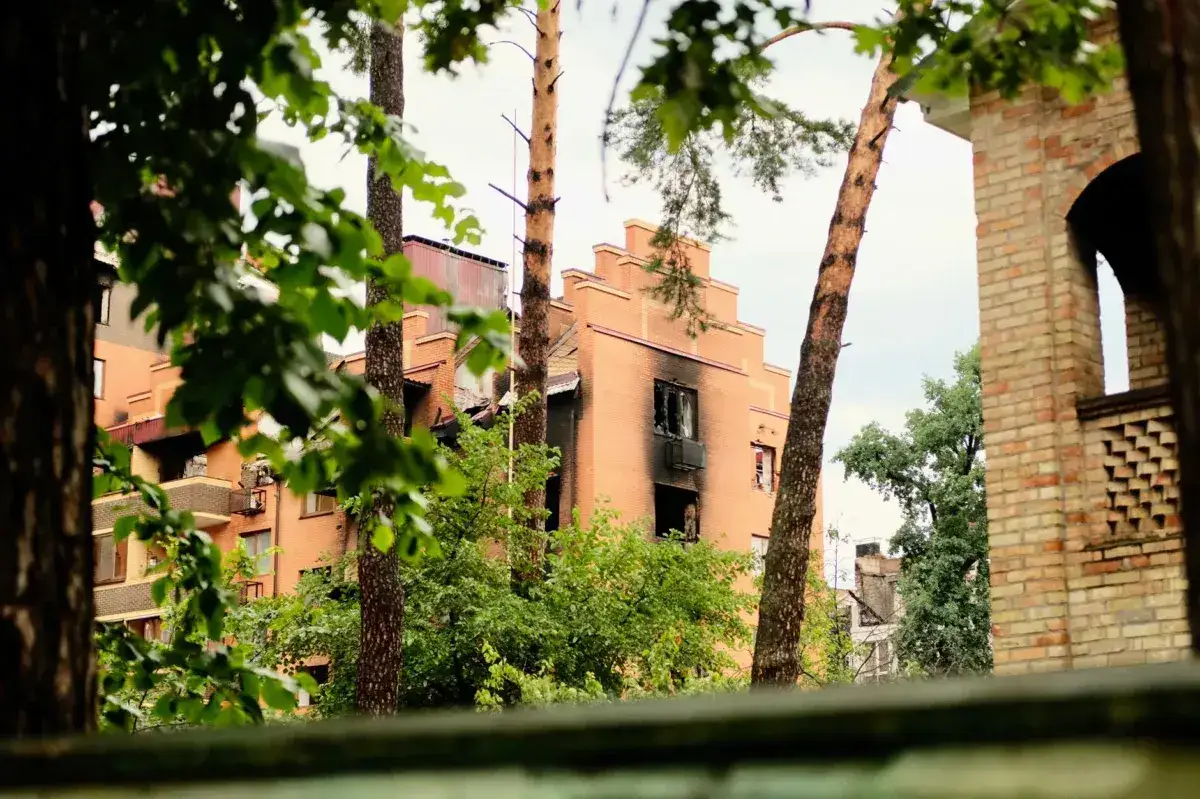
A devastating fire at a guesthouse in the Malviya Nagar area of South Delhi claimed the lives of eight family members earlier this week, marking a grim escalation in the city’s ongoing struggle with building safety compliance. The victims, who were staying at the property, succumbed to smoke inhalation after the blaze broke out in the early morning hours, prompting an immediate investigation by local authorities and a subsequent policy overhaul by the Municipal Corporation of Delhi (MCD).
Context of the Urban Safety Crisis
Delhi has long grappled with the proliferation of illegal commercial operations housed within residential zones. The Malviya Nagar incident highlights the persistent danger posed by unauthorized guesthouses that often lack basic fire safety infrastructure, such as fire extinguishers, emergency exits, and proper ventilation systems. This tragedy follows a series of similar fatal blazes in the capital, which have repeatedly exposed systemic failures in building permit oversight and fire department inspections.
The Immediate Aftermath and Policy Shifts
In response to the tragedy, Delhi Chief Minister Atishi announced an ex-gratia compensation of ₹10 lakh for each of the families of the deceased. Beyond the immediate financial relief, the state government has signaled a fundamental shift in its urban planning strategy. Officials have confirmed plans to scrap the existing Bed & Breakfast (B&B) policy, which critics argue was frequently exploited to bypass commercial building codes. The MCD has simultaneously launched a city-wide crackdown, targeting unauthorized commercial units that operate without fire safety clearances.
Expert Perspectives on Structural Negligence
Urban planning experts point to a lack of accountability as the primary driver behind these recurrent disasters. “The issue is not just the lack of equipment, but the total absence of structural integrity checks for buildings converted into commercial spaces,” noted a representative from an urban safety advocacy group. Data from recent fire audits suggests that thousands of properties across Delhi operate in violation of municipal bylaws. Investigators have noted that the owner of the Malviya Nagar property, Lavkesh Bajaj, appears to have shuttered his business interests and gone into hiding, complicating the legal proceedings as police look to establish criminal negligence.
Human Impact and Institutional Failure
The human toll of the fire has been particularly felt by the academic and professional communities, as among the victims were promising individuals, including a Tata Institute of Social Sciences (TISS) alumna who had arrived in the city to begin a new career. Friends and family members identified her body at the AIIMS morgue, highlighting the personal devastation caused by administrative lapses. The incident has intensified public pressure on the MCD to implement a transparent, digitized system for tracking building safety certifications.
Future Outlook and Regulatory Watch
As the crackdown continues, the focus will shift toward the implementation of stricter occupancy permits and regular, unannounced inspections of all guesthouses and small-scale hotels in the city. Industry stakeholders expect a period of significant disruption as non-compliant properties face forced closures or heavy penalties. Observers are now watching to see if the proposed scrapping of the B&B policy will lead to a more robust regulatory framework or if the city will struggle to enforce these new, tighter restrictions in the face of widespread unauthorized commercial growth.


