







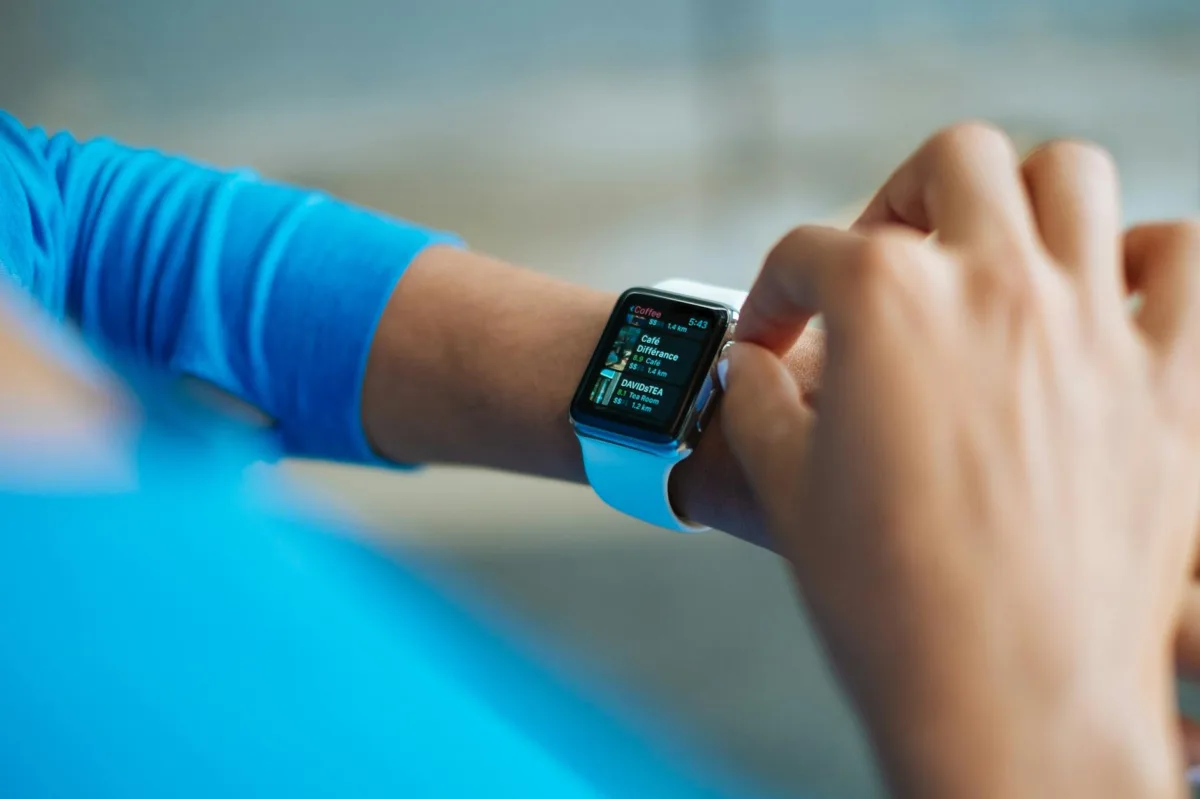
Samsung Electronics announced a significant expansion of its Galaxy Watch software suite this week, introducing a series of AI-powered health features designed to provide users with more personalized and predictive wellness insights. The update, which began rolling out to select regions globally this month, leverages Samsung’s proprietary AI algorithms to analyze complex physiological data points, marking a strategic pivot toward proactive health management rather than simple activity tracking.
The Evolution of Wearable Health Tech
The wearable technology market has shifted rapidly from simple step counting to sophisticated biometric analysis. Samsung’s latest software iteration builds upon the foundation of its BioActive Sensor technology, which has long been a staple of the Galaxy Watch series.
By integrating machine learning, the devices can now cross-reference sleep quality, heart rate variability, and physical activity levels to generate a comprehensive ‘Energy Score.’ This metric aims to provide users with a clearer understanding of their physical readiness for the day ahead, moving beyond raw data to offer actionable lifestyle guidance.
Deep Dive into AI-Driven Analytics
The core of this update lies in the ability of the devices to process data locally and through cloud-enhanced AI to detect anomalies. Samsung has emphasized that these tools are not intended to replace medical diagnosis but to serve as a supportive companion for everyday health.
For instance, the new ‘Wellness Tips’ feature utilizes historical data to offer tailored suggestions. If a user consistently shows signs of fragmented sleep, the AI analyzes activity patterns to suggest optimal times for light exposure or exercise, creating a feedback loop designed to improve long-term habits.
Industry analysts note that this move places Samsung in direct competition with specialized health platforms that have historically dominated the market. According to recent data from the International Data Corporation (IDC), the global wearables market has seen a 10% year-over-year growth, with consumers increasingly prioritizing devices that offer integrated, multi-modal health ecosystems.
Expert Perspectives on Predictive Health
Health technology experts suggest that the integration of generative AI into consumer wearables represents a critical inflection point. Dr. Elena Vance, a digital health researcher, notes that the true value of these devices is not in the sensors themselves, but in the ‘interpretive layer’ that makes data meaningful to the average person.
By providing users with a daily score that synthesizes complex biological data, Samsung is reducing the barrier to entry for health literacy. However, privacy advocates remain vigilant, noting that as these devices capture more intimate biological signals, the security of the cloud infrastructure processing this data becomes paramount.
Future Implications for the Wearable Industry
The industry is now watching how these AI features influence user retention and long-term engagement. As devices become more predictive, the expectation for accuracy and data privacy will only intensify, forcing manufacturers to balance innovation with rigorous ethical standards.
Looking ahead, the focus will likely shift toward clinical-grade integration, where wearable data may eventually be shared directly with healthcare providers for remote monitoring purposes. Observers should monitor how Samsung navigates regulatory landscapes in the coming year, particularly regarding the certification of these AI metrics as medical-grade diagnostic tools.