








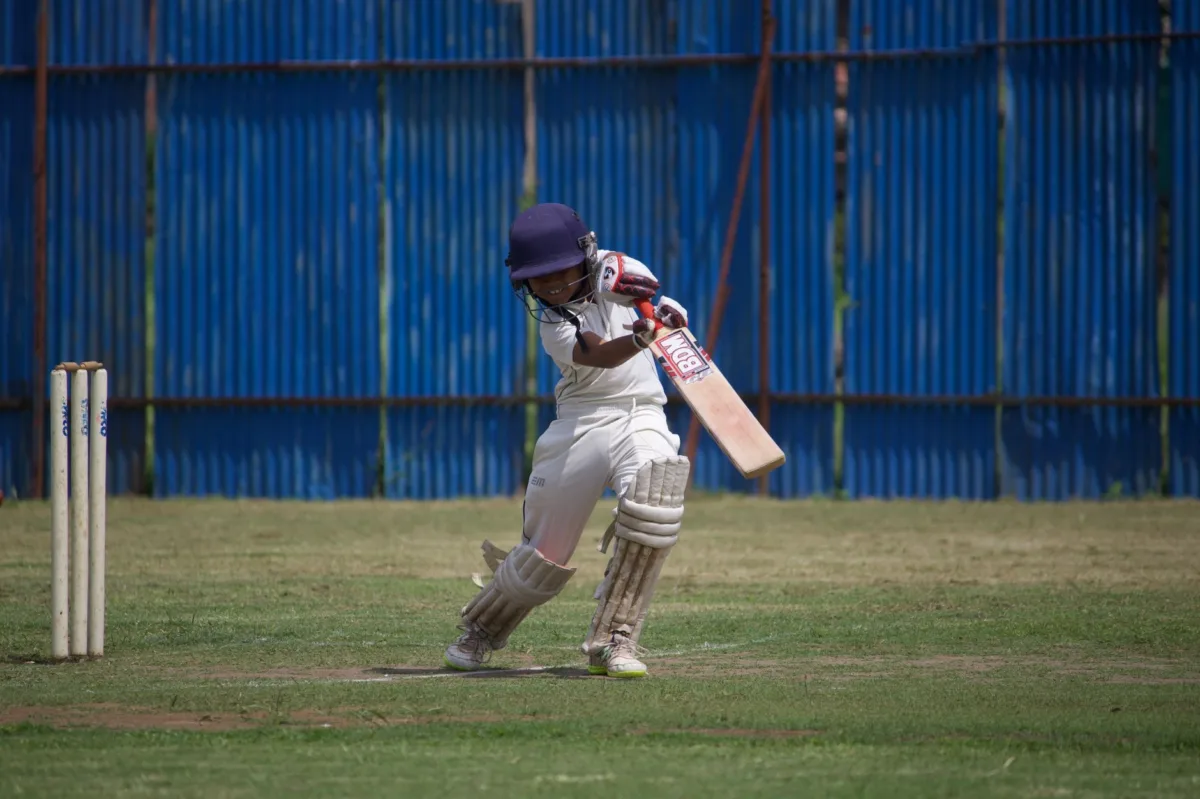
Pakistan secured a landmark 2-1 ODI series victory against Australia on Sunday, clinching the final match in Perth by four wickets to hand the hosts a rare home defeat. Following a tactical adjustment that saw Australia bring in Cooper Connolly for Tanveer Sangha, the Australian side elected to bat first but ultimately faltered against a disciplined Pakistani bowling attack.
Context of the Series
The three-match series served as a critical testing ground for both nations as they prepare for future ICC tournaments. Australia entered the decider looking to capitalize on home conditions, while Pakistan sought to rebuild momentum following recent struggles in the format.
Tactical Shifts and Match Dynamics
Australia’s decision to shuffle their lineup highlighted a growing concern regarding middle-order stability. Despite the inclusion of Connolly, the batting unit struggled to build substantial partnerships against the pace and precision of the Pakistani bowlers.
Josh Inglis, serving as a focal point for the Australian offense, displayed defiance at the crease. However, his efforts were insufficient to push Australia to a defendable total, as the Pakistani bowlers consistently dismantled the batting order.
Expert Analysis and Performance Metrics
Statistical data from the series indicates that Pakistan’s bowling discipline was the decisive factor. By maintaining a tight line and length throughout the final ODI, the visiting side successfully restricted Australia’s scoring opportunities during the powerplay and middle overs.
Cricket analysts noted that Pakistan’s ability to adapt to the Perth pitch—which traditionally favors fast bowling—allowed them to exploit vulnerabilities in the Australian technique. This victory marks a significant turning point for the Pakistani team, signaling an improved tactical awareness under pressure.
Industry Implications and Future Outlook
For Australia, the series loss prompts immediate questions regarding squad depth and rotation strategies. Selectors will likely face increased scrutiny as they evaluate player performance ahead of the upcoming summer fixtures.
Observers should monitor how Australia adjusts its rotation policy in response to this setback. Meanwhile, the focus shifts to whether Pakistan can carry this winning momentum into their subsequent international engagements, as the victory serves as a major confidence booster for the squad’s leadership and development pipeline.