




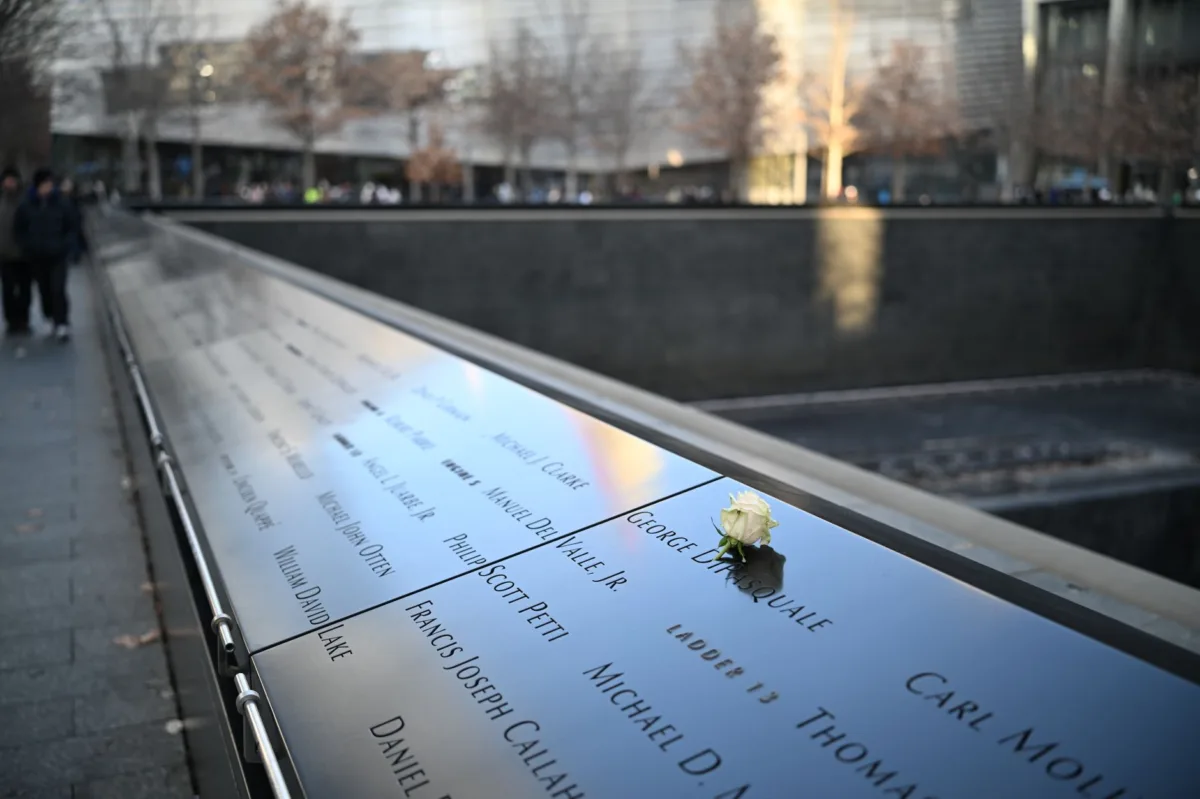
The 9/11 Memorial and Museum in New York City officially launched a $75 million fundraising campaign this week, bolstered by a $25 million matching grant from former Mayor Michael Bloomberg. The initiative aims to secure the long-term future of the institution’s educational programs as it works to engage a generation of American youth who were born after the September 11, 2001, terrorist attacks.
Bridging the Generational Divide
As the 23rd anniversary of the attacks approaches, the museum faces the growing challenge of teaching history to students with no personal memory of the day. Recent demographic data indicates that the vast majority of current K-12 students rely entirely on secondary sources to understand the events of 9/11 and their subsequent impact on global geopolitics.
Museum leadership emphasized that the funds will be used to expand digital archives, develop interactive curricula, and subsidize field trips for school districts that would otherwise be unable to visit the site. By providing high-quality resources to educators, the museum hopes to ensure that the historical significance of the tragedy remains a central component of civic education.
The Role of Philanthropy in Historical Preservation
The $25 million commitment from Michael Bloomberg represents a significant investment in the museum’s sustainability. Bloomberg, who served as mayor during the aftermath of the attacks, has long been a primary benefactor of the memorial site, viewing it as a critical touchstone for both remembrance and public education.
Experts in museum management note that endowments are increasingly essential for cultural institutions tasked with maintaining public sites of conscience. Unlike general operating expenses, an endowment provides a permanent financial cushion that protects educational programming from the volatility of annual ticket sales and fluctuating tourism numbers.
Expanding the Scope of Remembrance
Beyond the classroom, the museum is looking to modernize its presentation of history to remain relevant in a digital-first world. The fundraising campaign will support the digitization of thousands of artifacts, oral histories, and personal testimonies, making them accessible to students across the country.
According to the National September 11 Memorial & Museum, their educational platforms already reach millions of users annually. However, the organization seeks to broaden its reach by integrating new technologies, such as virtual reality tours and enhanced online learning modules, to create a more immersive experience for remote learners.
Future Implications for Civic Education
The success of this campaign will likely set a benchmark for how historical sites manage the transition from living memory to archival history. As the last generation with a direct connection to the events of 2001 eventually leaves the workforce, the responsibility for maintaining the narrative rests heavily on institutions like the 9/11 Memorial.
Industry analysts suggest that other national monuments may soon follow suit, launching similar endowment drives to safeguard their educational missions. The coming decade will be a critical testing period for the museum as it attempts to balance the solemnity of the memorial with the evolving pedagogical needs of a 21st-century student body.