






The Digital Revolution on the Frontline
Ukrainian military units are increasingly utilizing real-time commercial satellite imagery transmitted directly to mobile devices, drastically shortening the time between target identification and drone strikes. This integration of high-resolution orbital data has fundamentally altered the tactical landscape across the frontlines in Ukraine throughout 2024, creating an unprecedented “kill chain” that leaves Russian forces struggling to maintain operational security.
The Evolution of Tactical Intelligence
For decades, satellite reconnaissance was the exclusive domain of national intelligence agencies with massive budgets and complex distribution networks. Today, the democratization of space-based data—provided by private firms like Maxar, Planet, and BlackSky—has allowed frontline commanders to access high-definition imagery in near real-time. By bypassing traditional bureaucratic bottlenecks, soldiers can now spot troop movements, supply depots, and command centers within minutes of a satellite passing overhead.
Accelerating the Kill Chain
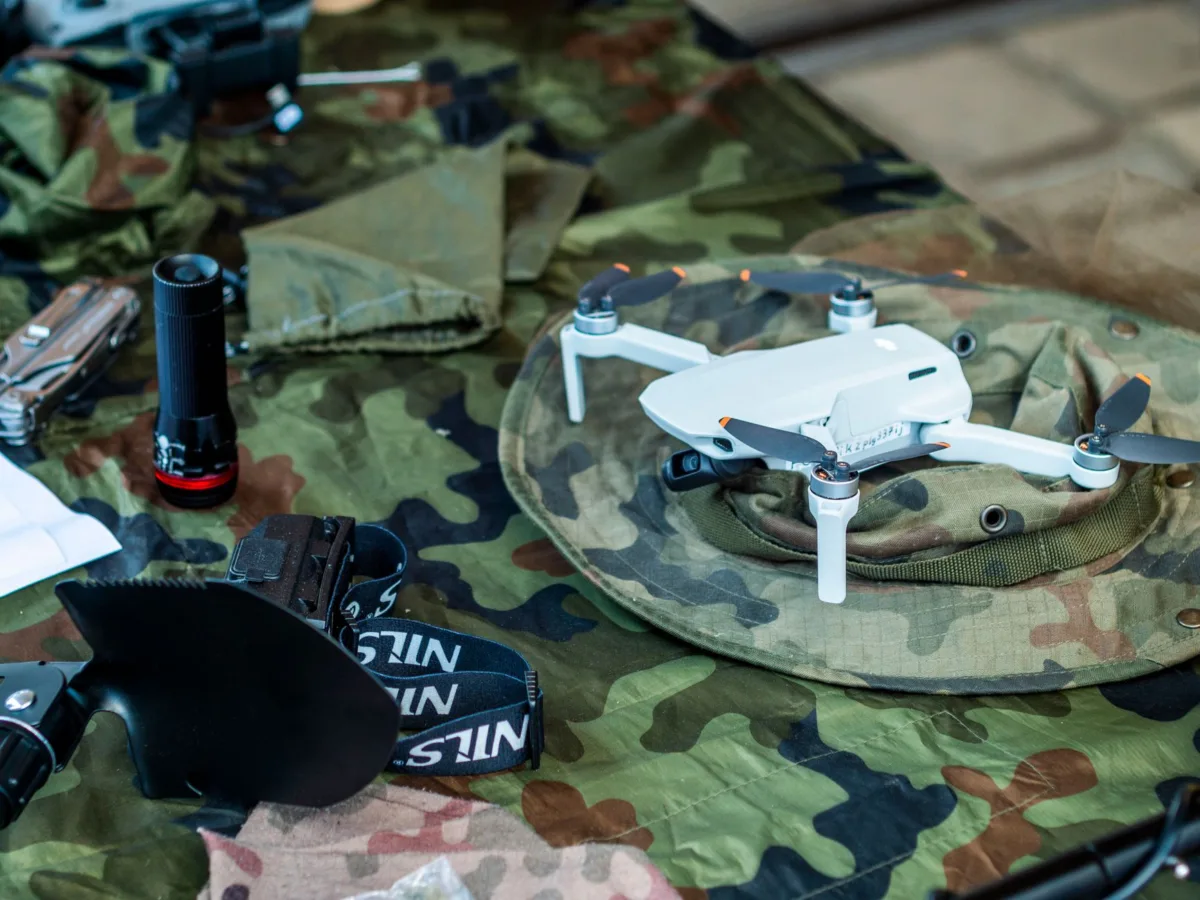
The speed of modern warfare is measured in seconds, and satellite integration provides a critical advantage in targeting. When a drone operator receives a precise, up-to-the-minute coordinate via a secure app on a smartphone, the need for manual reconnaissance flights is significantly reduced. This minimizes the risk to Ukrainian drone pilots while maximizing the effectiveness of their loitering munitions.
Military analysts note that this capability forces Russian forces to operate with constant uncertainty. Even deep behind enemy lines, static positions are no longer safe from rapid, precision-guided strikes. The ability to track changes in landscape—such as the appearance of new trenches or the shifting of armor—allows for a predictive rather than reactive approach to combat.
Industry and Military Perspectives
Experts from the Institute for the Study of War have highlighted that the proliferation of commercial remote sensing is a “force multiplier” that compensates for numerical disadvantages in artillery or personnel. By effectively digitizing the battlefield, Ukraine is applying a transparency to the combat zone that was previously impossible. This transparency makes the traditional Russian strategy of massing forces for a breakthrough increasingly perilous.
Data from open-source intelligence (OSINT) trackers confirm that the number of successful strikes on high-value Russian assets has correlated with the increased adoption of these commercial satellite feeds. The integration of artificial intelligence (AI) software to analyze these images further accelerates the process, automatically flagging anomalies or changes in terrain that might indicate hidden military equipment.
Future Implications for Global Conflicts
The shift toward satellite-enabled targeting suggests that future conflicts will be won by those who can process and distribute data the fastest. As satellite constellations grow, the window of time that an army has to move undetected will continue to shrink, potentially rendering large, slow-moving formations obsolete. Observers are now watching to see how militaries will adapt to this “always-on” surveillance environment, with many expecting a surge in electronic warfare aimed at jamming commercial data links or an increase in anti-satellite technology development. The race for technological superiority in the skies above the battlefield will likely remain the defining factor of modern warfare for the foreseeable future.