






Expanding the Nuclear Umbrella
Government officials in Poland and Lithuania confirmed this week that both nations are engaged in preliminary discussions regarding a potential expansion of their roles within NATO’s nuclear deterrence framework. The talks, which have gained momentum throughout the current quarter, focus on how these frontline Baltic and Central European states might integrate more deeply into the alliance’s existing nuclear sharing arrangements, currently centered on U.S. tactical weapons stationed across Europe.
This diplomatic pivot follows years of escalating security concerns regarding regional stability along the eastern flank. By exploring these roles, Warsaw and Vilnius aim to bolster the credibility of NATO’s collective defense posture in the face of shifting geopolitical threats.
The Strategic Context of NATO Deterrence
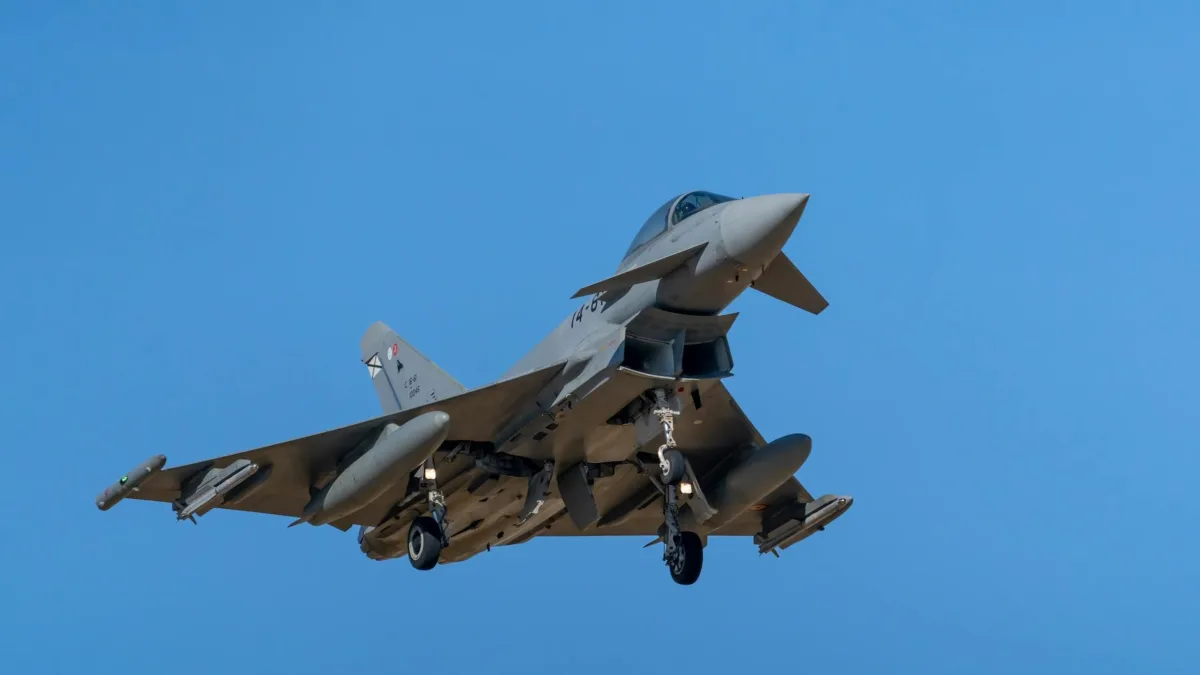
NATO’s nuclear deterrence strategy relies on a combination of conventional forces and the nuclear capabilities of the United States, the United Kingdom, and France. Currently, the alliance’s nuclear sharing program involves a select group of member states that host U.S. gravity bombs and maintain the infrastructure necessary to deliver them via dual-capable aircraft.
Poland has previously expressed interest in the NATO Nuclear Sharing program, with high-level officials citing the need for parity in regional security. Lithuania, meanwhile, has consistently advocated for increased NATO presence to deter potential aggression, viewing nuclear deterrence as the ultimate safeguard for its sovereign integrity.
Evaluating Regional Security Dynamics
The move comes as military analysts observe a hardening of the border between NATO member states and Russia. According to the Stockholm International Peace Research Institute (SIPRI), defense spending across the Baltic states has surged to record levels, reflecting a collective move toward higher military readiness.
Dr. Elena Rossi, a senior security analyst at the European Center for Strategic Studies, notes that the integration of Poland and Lithuania into the nuclear conversation signals a fundamental shift in NATO’s center of gravity. “Moving the focus of deterrence toward the eastern frontier is a strategic response to the changing risk profile in the Baltic region,” Rossi stated.
However, the transition involves significant technical and political hurdles. Integrating a nation into nuclear sharing requires extensive infrastructure upgrades, specialized pilot training, and long-term political consensus among all 32 NATO member states.
Implications for the Alliance
For the average citizen, these discussions underscore a transition toward a more militarized security environment in Northern and Central Europe. Industry experts suggest that the move could trigger substantial investment in dual-use defense technology and aerospace manufacturing within the region.
From an industrial perspective, the potential for local involvement in nuclear logistical support offers a significant boost to regional defense contractors. Companies specializing in secure communications, hardening of airfields, and advanced sensor arrays are likely to see increased demand as these nations align their military standards with broader NATO nuclear protocols.
Looking ahead, observers should monitor the upcoming NATO summit agendas for formal declarations regarding nuclear burden-sharing. The speed at which these preliminary discussions evolve into policy will depend largely on the outcome of internal alliance negotiations and the broader trajectory of regional security threats throughout the remainder of the year.