






A Maritime Discovery Reclaimed
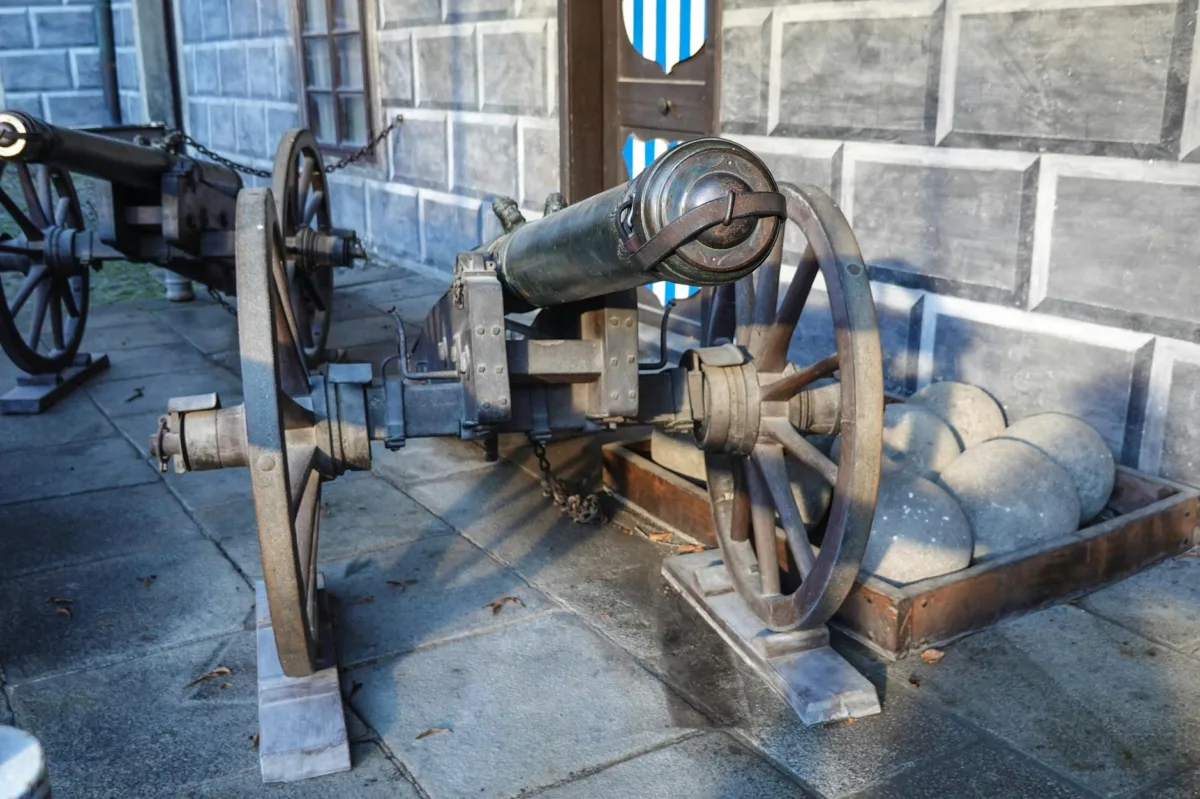
Two rare cannons, lost to the depths of the Savannah River during the American Revolution, are set to make their public debut at a Savannah museum this month. Recovered by archaeologists following years of submerged preservation, these artifacts offer a tangible link to the 1779 Siege of Savannah, providing historians with new insights into colonial naval warfare.
The Historical Context of the Savannah River
The Savannah River served as a critical artery during the Revolutionary War, acting as a strategic point for both British and Continental forces. During the 1779 siege, the river became a graveyard for vessels forced to scuttle their heavy weaponry to avoid capture or to block navigation channels. These specific cannons were identified as part of a British defensive effort that ultimately saw ships intentionally sunk to prevent French and American fleets from gaining control of the port.
Preservation and Recovery Challenges
The recovery process was a multi-year endeavor led by maritime archaeologists who had to contend with low visibility and shifting currents. Because the cannons were encased in river silt for over two centuries, they required a meticulous desalination process to prevent the iron from deteriorating upon contact with oxygen. Conservationists utilized specialized electrolysis tanks to draw out centuries of salt buildup, ensuring the stability of the metal before the items could be moved to a climate-controlled museum environment.
Expert Perspectives on the Find
According to maritime historians, the discovery provides more than just metal relics; it offers a blueprint of 18th-century metallurgy. Dr. Elena Vance, a lead researcher on the project, notes that the markings found on the breech of the guns indicate they were cast in British foundries specifically for colonial service. Data points from the site suggest that these cannons were likely part of a larger defensive battery, corroborating historical maps that were previously considered speculative.
Industry and Cultural Implications
For the museum industry, the display of these artifacts underscores a growing trend in public-private partnerships aimed at underwater cultural heritage protection. As technology makes it easier to scan the riverbeds of historic cities, experts anticipate a surge in similar recoveries. Local tourism boards expect the exhibit to draw significant interest, highlighting the economic potential of integrating historical research with public education.
What to Watch Next
Future efforts will focus on mapping the remaining debris field in the Savannah River, which researchers believe could contain additional ship components or personal effects from the era. As the museum opens its doors to the public, the primary challenge remains funding for long-term conservation of the site’s fragile environmental balance. Observers should look for upcoming reports from the archaeological team regarding whether a full-scale excavation of the sunken vessel remains is feasible within the next decade.