








Market Volatility Hits Dalal Street
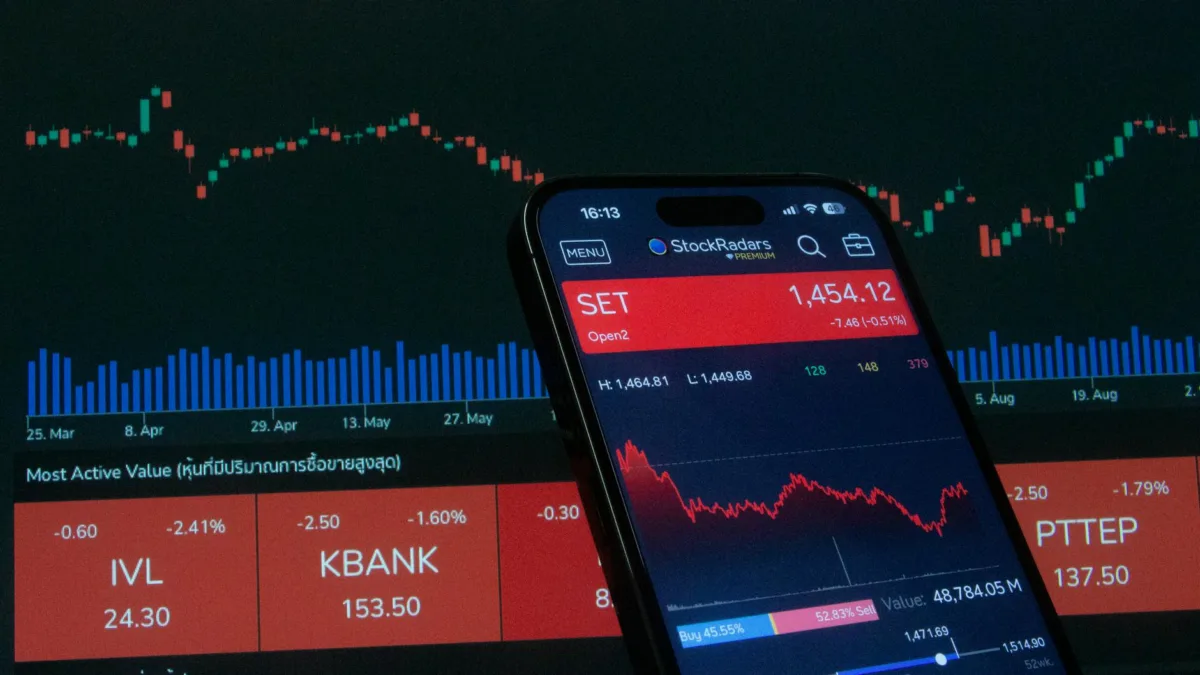
Indian equity markets experienced a sharp decline during early trade on June 4, as the BSE Sensex fell by 229 points to 74,139 and the Nifty 50 shed 66 points to reach 23,339. The downturn, driven by weak global cues and sustained foreign institutional investor (FII) outflows, reflects growing investor anxiety regarding macroeconomic stability and shifting sentiment in the technology sector.
Context of the Market Correction
The current market trajectory follows a period of heightened expectations surrounding the Indian general election results. Analysts note that markets had priced in significant optimism, leaving them vulnerable to corrections if incoming data fails to meet lofty projections.
Simultaneously, global markets have faced turbulence as investors grapple with persistent inflation concerns and the cooling of the artificial intelligence (AI) rally. Technology stocks, which previously served as a primary engine for market growth, have seen a cooling effect as investors rotate capital into defensive assets.
Factors Influencing Current Trends
Oil prices continue to act as a significant drag on domestic sentiment. Rising crude prices directly impact India’s import bill and inflation outlook, causing concern for policymakers and investors alike. Any sustained increase in energy costs typically leads to margin compression for India Inc., particularly in the manufacturing and logistics sectors.
Foreign fund outflows have further exacerbated the selling pressure. Data indicates that global institutional investors are rebalancing their portfolios, moving capital toward jurisdictions perceived as having lower risk profiles or more attractive valuations. This trend has put additional downward pressure on the rupee and limited the ability of domestic indices to recover from early morning losses.
Expert Perspectives
Market strategists suggest that the current volatility is a function of ‘buy the rumor, sell the news’ behavior. According to analysts at major brokerage houses, the correction is a healthy consolidation phase rather than a structural reversal. However, they caution that the interplay between rising oil prices and interest rate expectations will remain a critical variable for the remainder of the quarter.
Future Implications for Investors
For the average investor, the current climate necessitates a focus on fundamentals rather than speculative momentum. The volatility observed in tech stocks serves as a reminder of the inherent risks in valuation-heavy sectors during periods of economic uncertainty.
Looking ahead, market participants should monitor the Reserve Bank of India‘s stance on interest rates and the final tally of the election mandates. These two factors will likely dictate the market’s direction for the second half of the year. Investors should watch for increased volatility in the banking and energy sectors as the market digests updated fiscal and political guidance.