








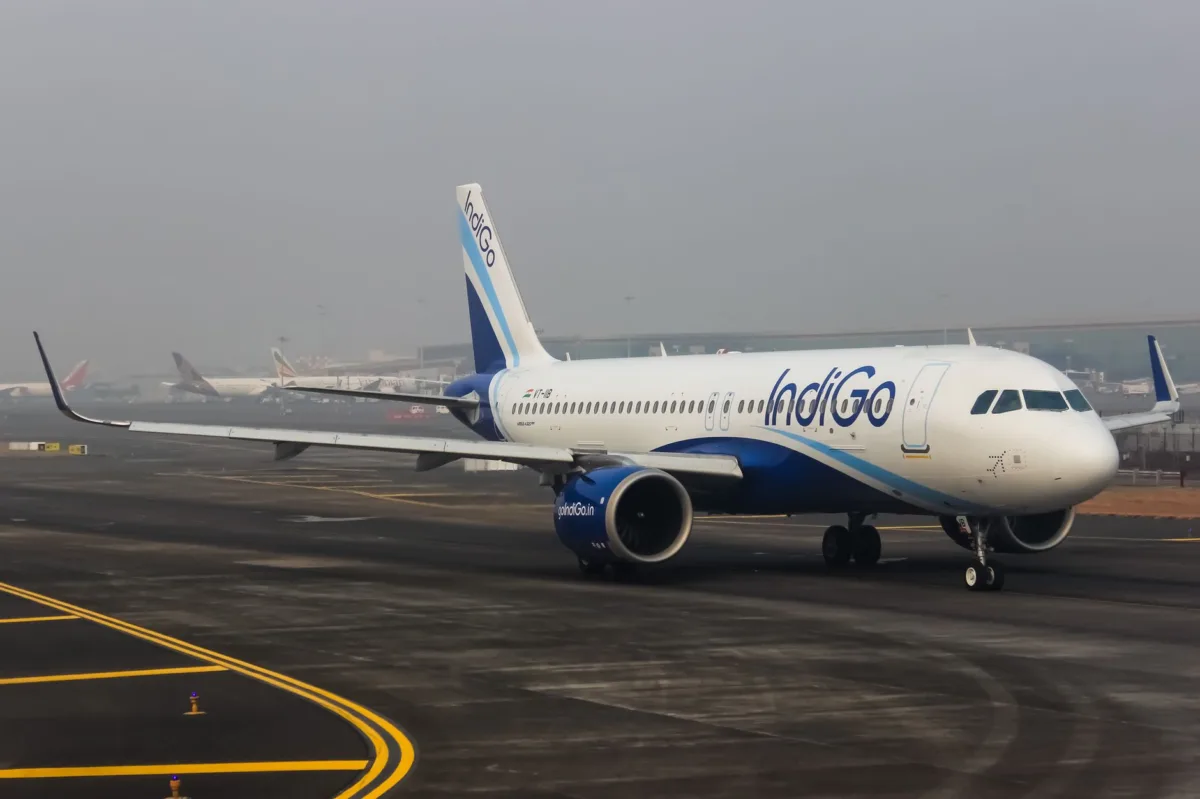
IndiGo, India’s largest airline by market share, announced this week that it will suspend flights to six international destinations through September, citing a combination of weakened passenger demand and escalating operational costs stemming from the ongoing Middle East crisis. The temporary service halt affects key routes including Hong Kong, Shanghai, and Manchester, as the carrier navigates a volatile geopolitical landscape that has necessitated significant adjustments to its global flight network.
Context of the Operational Shift
The aviation industry in South Asia has faced mounting pressure as regional instability forces airlines to reroute flights, leading to increased fuel consumption and longer transit times. IndiGo’s decision follows months of airspace restrictions and shifting travel patterns that have rendered several long-haul and regional routes economically unviable. These suspensions are part of a broader strategy to optimize fleet utilization during a period of high operational overhead.
Impact of Rising Costs and Geopolitical Constraints
The Middle East conflict has created a ripple effect for commercial aviation, particularly for carriers connecting India to Europe and East Asia. Airspace closures have forced planes to take circuitous paths, significantly increasing fuel burn and maintenance intervals for aircraft. According to recent industry reports, the cost of operating international routes has surged by nearly 15% since the intensification of regional tensions, prompting airlines to prioritize high-yield markets over those suffering from tepid demand.
Strategic Route Management
IndiGo’s decision to pause service to cities like Manchester and Shanghai highlights a strategic retreat from routes that require high resource allocation without a corresponding return in passenger volume. Analysts suggest that the airline is consolidating its position by focusing on high-frequency, short-to-medium haul routes where it maintains a competitive advantage. This move allows the airline to reallocate its Airbus A320 and A321 fleet to domestic corridors that continue to show robust post-pandemic growth.
Industry Perspective and Financial Outlook
Aviation market experts note that the current instability in the Middle East has created a