








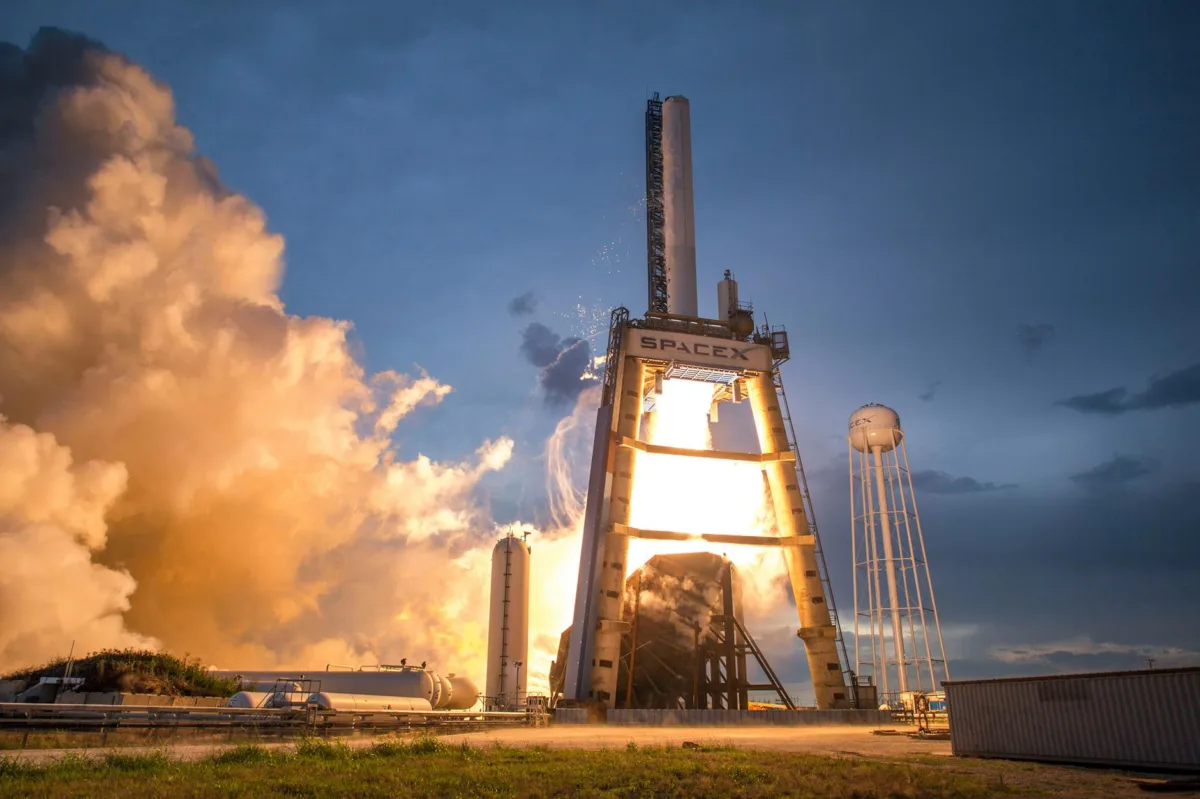
SpaceX, the aerospace manufacturer led by Elon Musk, is set to launch its initial public offering (IPO) next week with a share price of $135. This long-awaited move, confirmed by official company filings, marks a historic shift for the private space industry as shares become available to retail and institutional investors globally.
A Paradigm Shift in Private Spaceflight
For two decades, SpaceX has operated as a private entity, relying on private equity and government contracts to fuel its rapid development of the Falcon 9 rocket and the Starship launch system. The decision to go public follows years of speculation regarding when Musk would open the company’s books to public markets.
The company has launched a dedicated portal for retail investors to participate in the offering, a move that analysts suggest is designed to democratize ownership in the space sector. By setting the price at $135, SpaceX is positioning its valuation at a level that reflects its dominance in satellite deployment and orbital logistics.
Financial Implications and Market Impact
The financial scale of this IPO is expected to be one of the largest in recent years, potentially propelling Elon Musk’s net worth past the $1 trillion mark according to reports from CNBC. Industry analysts note that the valuation reflects the company’s aggressive expansion into global telecommunications through its Starlink satellite constellation.
Reuters reports that the $135 price point challenges traditional Wall Street conventions for space-tech valuations. While many aerospace firms struggle with profitability, SpaceX’s consistent launch cadence and reusable rocket technology have created a unique financial profile that has attracted significant interest from institutional hedge funds.
Industry Perspective and Strategic Positioning
Experts suggest that this move will force competitors, such as Blue Origin and Rocket Lab, to reconsider their own capital structures. The influx of public capital will likely accelerate SpaceX’s development of the Starship vehicle, which is central to the company’s long-term goal of colonizing Mars.
“This is a watershed moment for the commercial space race,” says aerospace analyst Sarah Jenkins. “By going public, SpaceX is signaling that it has moved beyond the experimental phase and is now a critical piece of global infrastructure.”
Looking Ahead
As the IPO date approaches, market watchers are focused on the initial trading volume and how retail participation will influence price volatility. The long-term success of the stock will likely depend on the company’s ability to maintain its launch frequency and secure lucrative government defense contracts.
Investors should monitor the company’s upcoming quarterly filings for updates on Starlink’s profitability and progress on lunar landing missions. The market’s reception to this offering will serve as a bellwether for the entire private aerospace industry throughout the coming year.