







Pioneering Sustainable Mobility
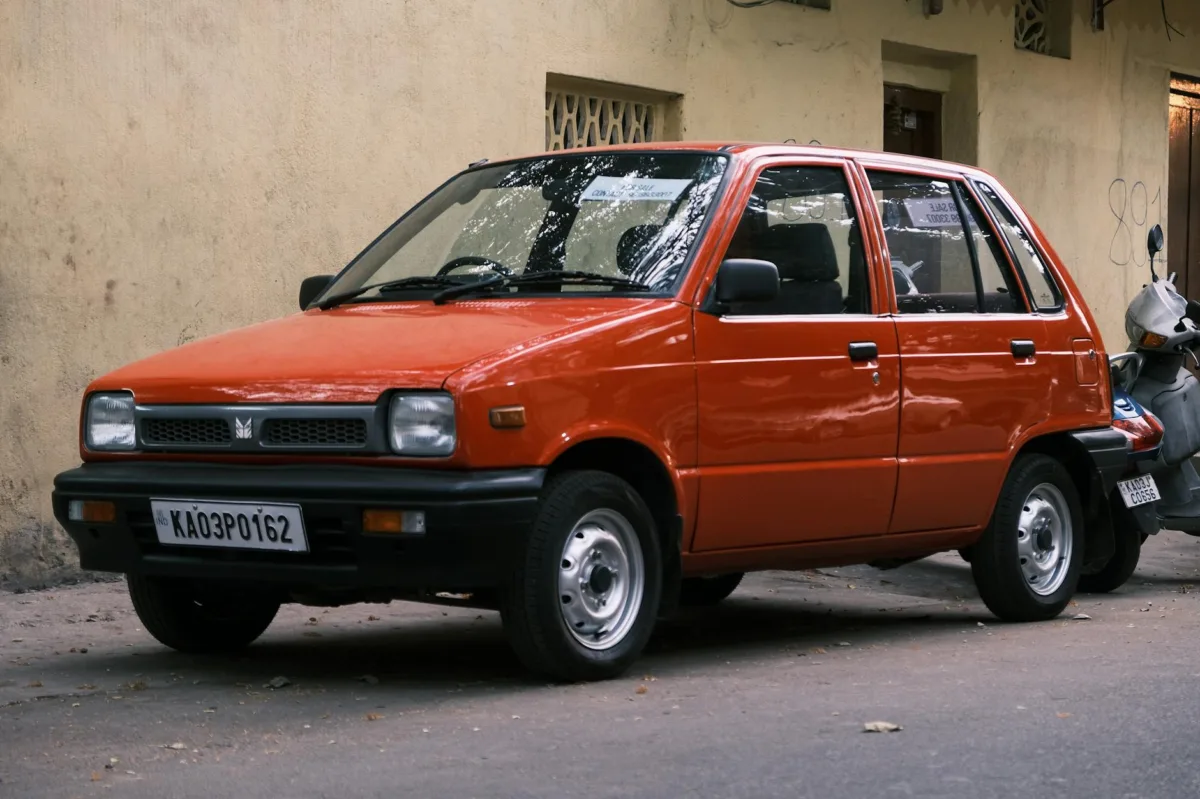
Maruti Suzuki has officially unveiled India’s first flex-fuel vehicle prototype, the Wagon R Bio-Flex, marking a significant milestone in the nation’s transition toward alternative energy sources. Showcased at various industry events, the vehicle is engineered to operate on any blend of ethanol and gasoline ranging from 20% (E20) up to 85% (E85), representing a strategic pivot for the country’s largest automaker as it aligns with the government’s decarbonization goals.
The Context of India’s Ethanol Mandate
The Indian government has been aggressively pursuing a target of 20% ethanol blending in petrol by 2025, aiming to reduce the nation’s massive crude oil import bill and lower carbon emissions. Flex-fuel technology is considered the next logical step beyond this mandate, as it allows engines to adapt to varying fuel compositions without compromising performance. This development follows years of policy advocacy by the Ministry of Road Transport and Highways, which has consistently pushed for the adoption of cleaner, indigenous fuel sources.
Technical Advancements in the Wagon R Bio-Flex
The Wagon R Bio-Flex features a modified powertrain designed to handle the corrosive nature of high-ethanol fuel blends. Engineers have utilized specialized fuel system components, including updated fuel pumps and injectors, to ensure engine longevity and consistent combustion efficiency when running on E85. These modifications are essential because ethanol has a lower energy density than petrol, necessitating advanced engine management systems to adjust fuel injection timing and spark ignition in real-time.
Expert Perspectives and Economic Outlook
Industry analysts note that the success of flex-fuel vehicles hinges on the widespread availability of E85 at the retail level. According to recent government announcements, the rollout of E85 fuel infrastructure is moving closer, with plans to price the fuel significantly lower than conventional petrol to incentivize consumer adoption. Experts suggest that if ethanol is priced competitively, it could provide a dual benefit: reducing environmental impact while simultaneously lowering daily operating costs for the average Indian commuter.
Broad Implications for the Automotive Sector
The introduction of this prototype signals a potential shift in the manufacturing landscape for domestic automakers. As Maruti Suzuki leads the charge, other manufacturers are expected to fast-track their own flex-fuel research and development programs to remain competitive. For the consumer, the transition promises a future where vehicle maintenance and fuel flexibility become standard features rather than niche offerings, provided the supply chain for ethanol can scale to meet projected demand.
Looking Ahead: The Road to E85
Industry observers are now shifting their attention to the timeline for commercial production and the government’s framework for fuel distribution. Watch for upcoming pilot programs in select urban centers that will test the viability of E85 retail pumps. Furthermore, the industry will monitor potential incentives for consumers, such as tax breaks or lower registration fees, which may be required to drive early adoption of these flex-fuel models once they hit the mainstream market.