








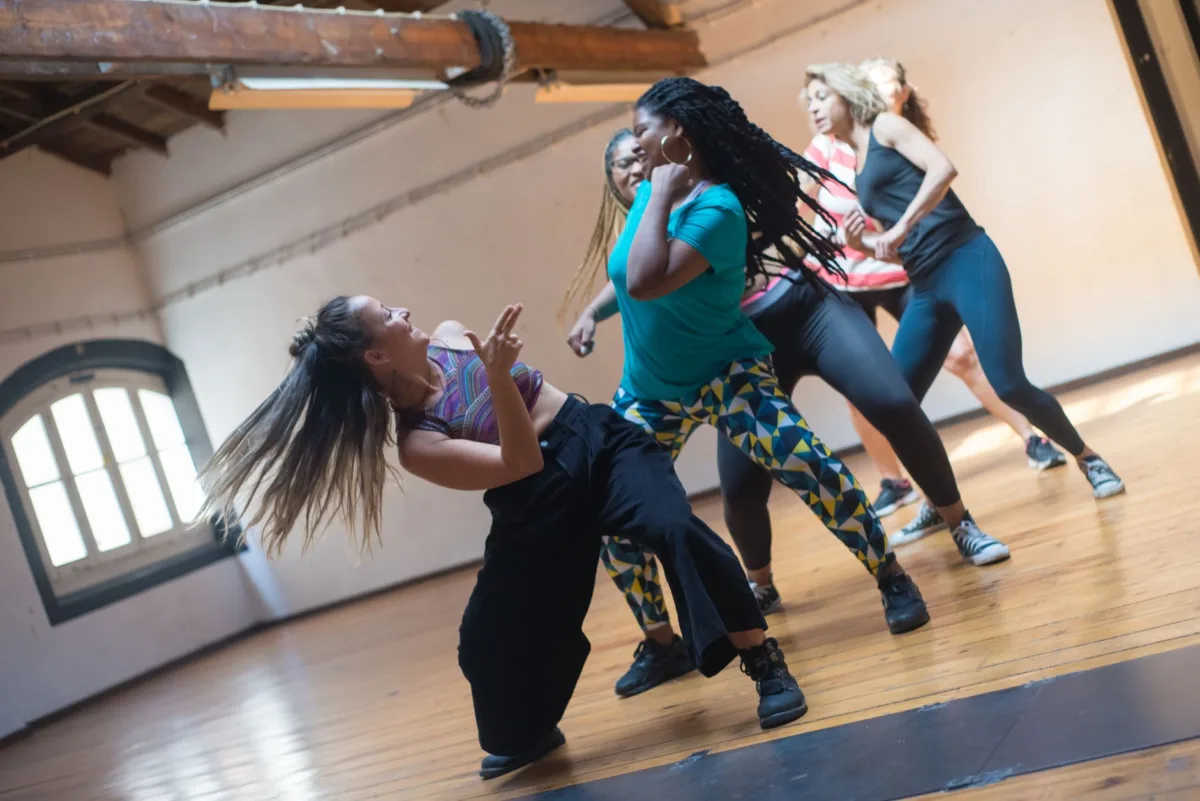
Spice Girls icon Mel B emphasized the therapeutic power of movement during a surprise appearance at SXSW London this week, positioning Zumba as a vital resource for mental health. The performer led a high-energy dance session, telling attendees that the practice transcends physical fitness by prioritizing emotional safety over athletic precision.
The Connection Between Movement and Mental Health
Zumba, a global fitness program combining Latin-inspired dance with aerobic exercise, has long been touted for its cardiovascular benefits. However, recent conversations in the wellness sector have increasingly focused on the psychological relief provided by rhythmic, communal exercise.
Mel B, who has been an outspoken advocate for mental health awareness, highlighted that the lack of judgment in a dance environment allows participants to shed insecurities. By removing the pressure to perform perfectly, the class structure fosters an inclusive atmosphere that encourages vulnerability.
Removing the Barrier of Perfectionism
The core philosophy discussed by Mel B centers on the idea that perfectionism acts as a significant barrier to exercise. Many individuals avoid fitness classes due to the fear of being watched or failing to follow choreography correctly.
According to the American Council on Exercise, dance-based fitness programs can significantly lower cortisol levels and improve mood through the release of endorphins. When a class environment is framed as welcoming rather than competitive, the threshold for participation drops, allowing individuals to focus on self-expression rather than external validation.
Industry Shifts and Holistic Wellness
The fitness industry has shifted toward a more holistic approach, moving away from purely aesthetic goals toward mental longevity. Data from the Global Wellness Institute suggests that the “mental wellness” segment of the economy is growing at nearly twice the rate of the traditional fitness industry.
Experts suggest that this trend is a direct response to rising anxiety levels in urban populations. Group activities that utilize music and movement serve as a form of “moving meditation,” providing a necessary escape from digital screens and professional pressures.
Future Implications for Fitness Trends
As high-profile figures continue to associate fitness with mental health, we can expect to see a rise in “inclusive fitness” programming. Future gym designs and class structures will likely prioritize community-building and stress reduction over high-intensity, performance-focused metrics.
Observers should watch for a continued surge in fitness programs that market themselves as anxiety-reduction tools rather than weight-loss solutions. The integration of mental health support into mainstream group exercise is likely to become a standard expectation for fitness studios seeking to retain a modern, health-conscious demographic.

